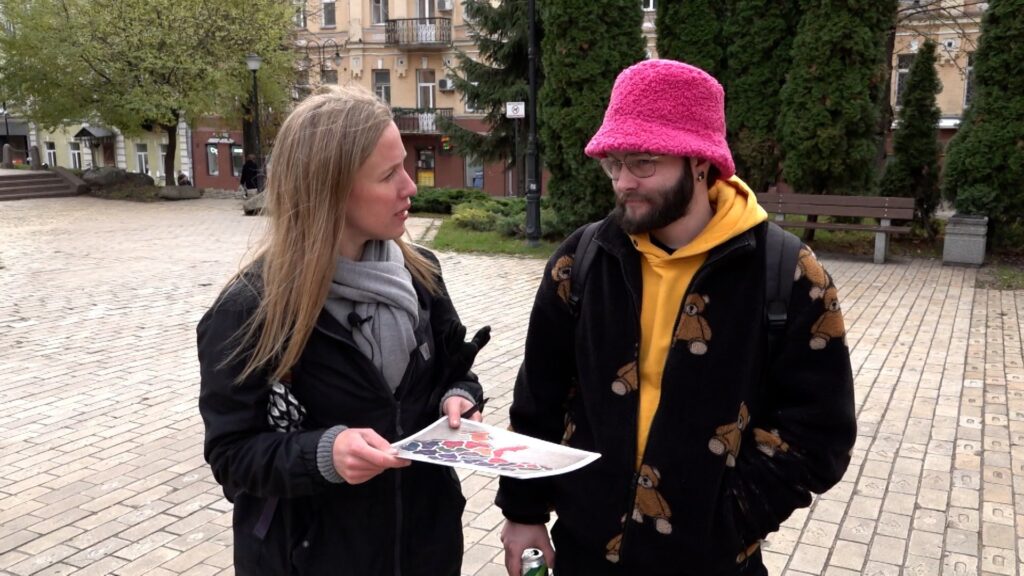
As the conflict between Ukraine and Russia continues to shape the geopolitical landscape, recent developments have sparked a range of reactions among Kyiv residents regarding the potential for territorial concessions. US President Donald Trump’s comments highlighting that post-war Ukraine might have a “different shape” have brought the issue of Ukraine’s borders to the forefront of public discourse.
Many Kyiv inhabitants express deep concerns about the possibility of ceding territory to Russia. For a large portion of the city’s population, Ukraine’s sovereignty and territorial integrity remain non-negotiable priorities. These residents view any concessions as a troubling compromise that could undermine national identity and security.
On the other hand, some individuals acknowledge the complexities of the ongoing hostilities and entertain the idea that territorial adjustments might be a pragmatic solution to bring about peace and stability. These voices often emphasize the importance of ending the conflict to restore normalcy and focus on rebuilding efforts.
The diversity of opinion in Kyiv is reflective of the broader national debate, with emotions running high due to the significant impacts of the war, including displacement, economic hardships, and losses.
Local experts and political analysts suggest that public sentiment is intricately tied to the evolving military and diplomatic situation. The prospect of peace talks, highlighted by President Trump’s remarks during the Abu Dhabi conference, serves as a catalyst for these discussions. While official Ukrainian stances have traditionally insisted on no territorial concessions, the unpredictability of war outcomes has opened the door for potential compromises among some factions.
Community leaders and activists within Kyiv have been vocal about protecting Ukraine’s sovereignty but also call for pragmatic dialogue aimed at ending hostilities. They continue to advocate for negotiations that prioritize Ukraine’s long-term independence and security while exploring avenues for conflict resolution.
In summary, Kyiv residents are grappling with a complex and emotive issue. While the majority stand firm against territorial concessions to Russia, there is an undercurrent of pragmatic acceptance in some quarters that the post-war map of Ukraine might look different. The city remains a focal point of resilience and hope, navigating the delicate balance between national pride and the urgent desire for peace.