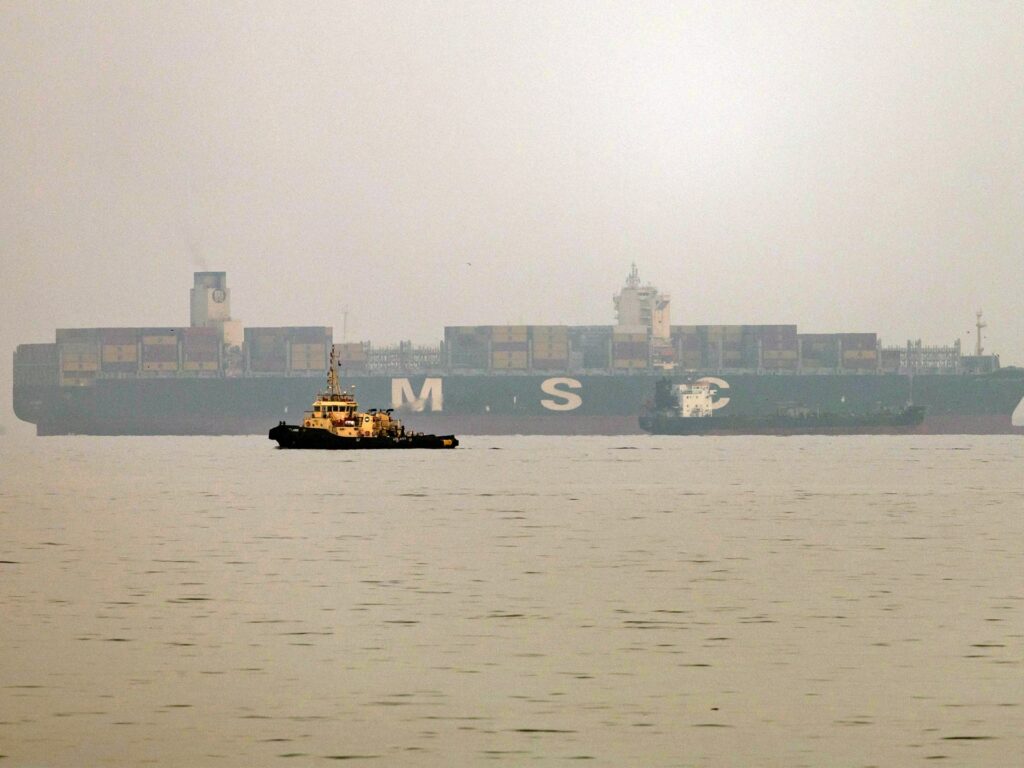
This week, the strategic Strait of Hormuz has become the focal point of escalating tensions as two vessels were struck by naval mines, raising international concerns about security and maritime freedom in the region. The Strait of Hormuz is a crucial chokepoint for global oil shipments, with a significant portion of the world’s petroleum passing through these waters.
The United States and Iran have each claimed control over the strait amid these incidents, further complicating the geopolitical landscape. The US has accused Iran of orchestrating the mine attacks as part of a broader strategy to assert dominance and disrupt international shipping lanes. Conversely, Iran denies these allegations, asserting its rights to defend its territorial waters and accusing the US of provocations that destabilize the region.
The attacks have resulted in operational halts and increased insurance costs for commercial shipping, with global markets reacting negatively to fears of supply disruptions. NATO and other international maritime bodies have called for calm and urged both parties to engage in diplomatic talks to de-escalate tensions.
Historically, the Strait of Hormuz has been a flashpoint in US-Iran relations, with previous incidents occasionally resulting in military confrontations or heightened sanctions. The latest events underscore the fragile state of peace and the critical need for cooperative security mechanisms to ensure safe passage for all vessels.
Maritime security experts emphasize the importance of international oversight and increased naval patrolling by multinational forces to prevent further attacks. They recommend that countries relying heavily on the strait for oil exports and imports work together to maintain open sea lanes and reduce the risk of conflict.
The incident also raises questions about the effectiveness of current arrangements governing maritime conduct and the enforcement of international law in disputed waters. Analysts predict that without a renewed commitment to dialogue and adherence to international norms, the risk of further provocative actions will remain high.
In response, several nations have expressed support for the US position while calling on Iran to resume peaceful negotiations. The United Nations has proposed convening a special session to address the security situation in the Gulf and facilitate a multilateral approach to safeguarding the strait.
As the situation develops, stakeholders worldwide are watching closely, aware that stability in the Strait of Hormuz is not only vital for regional security but also essential for the global energy market and economic stability. The coming weeks will be critical in determining whether diplomacy can prevail or if further escalations will disrupt international trade and peace.