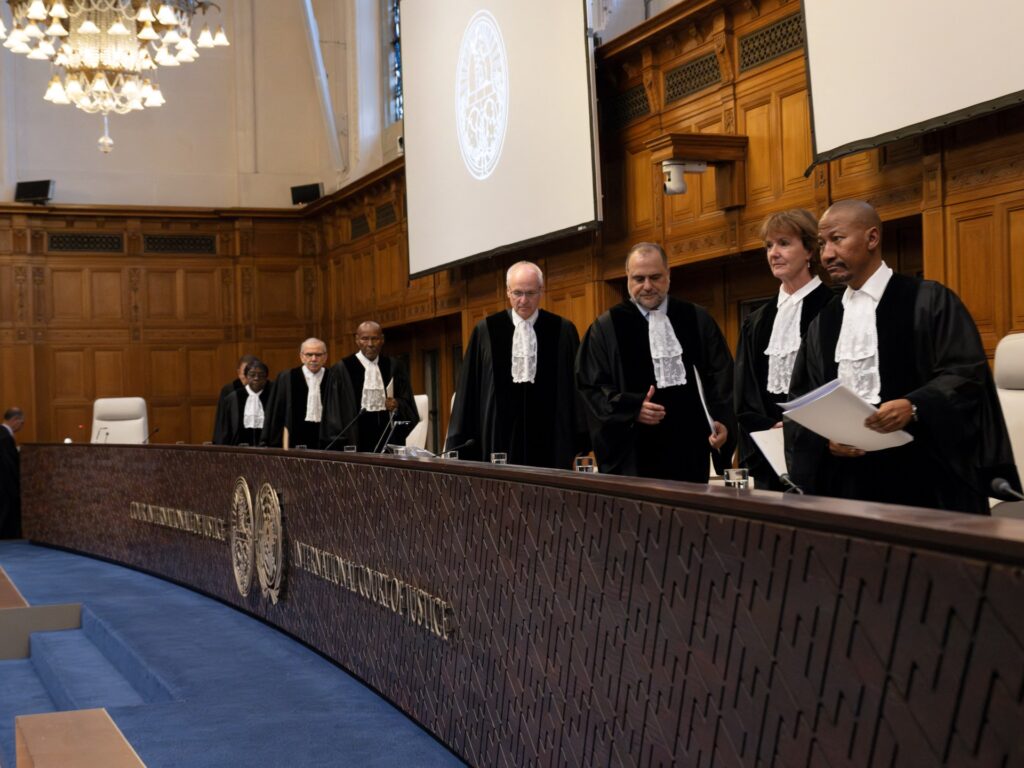
The United Nations has recently elected five new judges to the International Court of Justice (ICJ) in an election marked by its competitiveness and significance due to a record number of cases pending before the court. The election took place at the UN headquarters, drawing substantial attention from the international legal community and member states.
The election process was rigorous, requiring multiple rounds of voting to fill the fifth and final judicial seat, underscoring the high demand and the critical role the ICJ plays in resolving international disputes. This multi-round voting process was necessary to ensure the selection of highly qualified candidates who can uphold the court’s mandate to settle legal disputes between states and provide advisory opinions on international legal questions.
The International Court of Justice is the principal judicial organ of the United Nations, and its decisions affect the global community by promoting the rule of law at the international level. The newly elected judges will join their colleagues in addressing an unprecedented caseload, reflecting increasingly complex international relations and the growing reliance on legal mechanisms to resolve disputes peacefully.
The judges elected represent a diverse range of legal traditions and geographical regions, which is essential for the ICJ’s balanced and comprehensive approach to international law. This diversity helps ensure that the court’s judgments are internationally credible and informed by various perspectives.
The significance of these elections is heightened by the fact that the ICJ is currently experiencing the largest number of cases in its history. This surge in cases highlights the trust and importance that countries place in the court as a neutral arbiter of international law challenges, ranging from territorial disputes and maritime boundaries to issues of diplomatic immunity and state responsibility.
Member states expressed optimism that the newly formed bench will strengthen the court’s capacity to handle its increased workload efficiently and continue to foster international legal cooperation and peace. The judges are expected to commence their duties shortly, bringing with them extensive legal expertise and a commitment to justice.
Overall, the election of five new judges to the ICJ at this crucial juncture underscores the enduring relevance of international law in global affairs and the ongoing commitment of the United Nations to providing a forum for the peaceful resolution of disputes among nations.