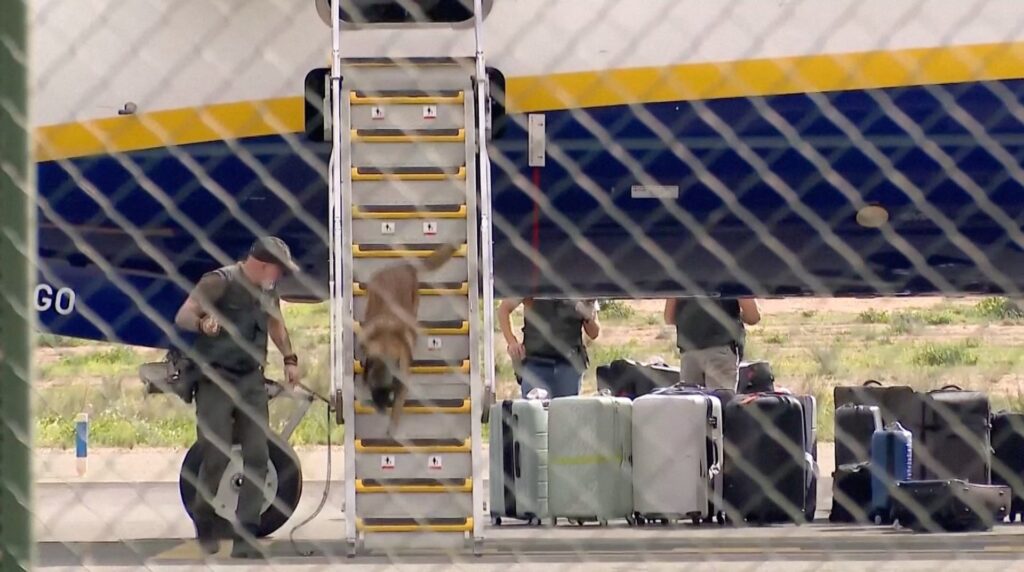
In a disturbing series of events, seven flights across Europe have recently been targeted by suspected bomb threats, causing significant disruption and raising concerns over aviation security. The incidents triggered immediate investigations by security forces and aviation authorities, who scrambled to ensure passenger safety and restore order.
The affected flights belonged to various European airlines, operating between major cities such as London, Paris, Frankfurt, Rome, Madrid, Amsterdam, and Brussels. Upon receiving the threats, these flights were subject to immediate security protocols including thorough searches, passenger screenings, and, in some cases, emergency landings or diversions.
Authorities swiftly responded to the threats by coordinating with airport security, intelligence agencies, and local law enforcement to assess the credibility of each threat. So far, no explosive devices have been found on any of the flights, and no passengers or crew members were harmed. However, the mysterious nature and timing of the bomb threats caused widespread alarm among travelers and airline staff.
The motives behind these threats remain unclear, prompting a comprehensive investigation involving counter-terrorism units. While the threats did not lead to any confirmed attacks, the incidents underscore vulnerabilities in aviation security that must be addressed more robustly.
Passengers on the targeted flights experienced delays, cancellations, and inconveniences as security checks were intensified and emergency procedures enacted. Airlines have issued apologies and are cooperating fully with authorities to manage the aftermath and prevent future occurrences.
European aviation authorities have condemned the threats, emphasizing the importance of international cooperation in combating such security challenges. They have called for increased vigilance, improved intelligence sharing, and enhanced security measures at airports and onboard aircraft.
The incidents have also reignited public debate about flight security measures and the balance between passenger convenience and safety. Experts suggest that while security has improved significantly over the years, evolving tactics by threat actors require constant adaptation and investment in advanced detection technologies.
In response to these events, airports across the continent are reviewing and reinforcing their security protocols. Airline companies are training staff to respond effectively to suspicious threats and coordinating with law enforcement to ensure rapid responses.
As investigations continue, authorities urge travelers to remain calm, report any suspicious activity promptly, and comply with security procedures to ensure everyone’s safety. This coordinated effort aims to maintain trust in Europe’s aviation systems and safeguard passengers from potential harm.
The seven bomb threat incidents serve as a serious reminder of the persistent risks facing global air travel. They highlight the need for ongoing vigilance, robust security infrastructure, and close international cooperation to counteract threats and protect the millions of passengers who rely on safe and secure flights every day.