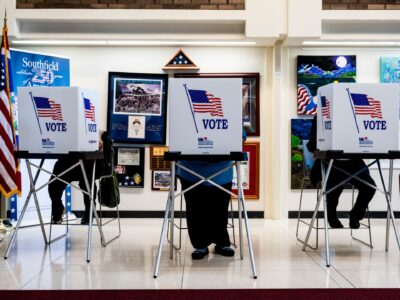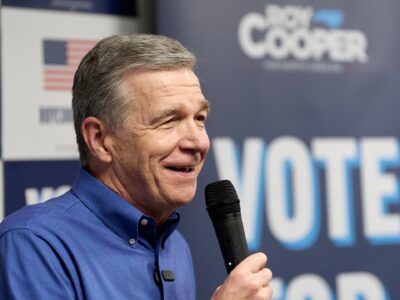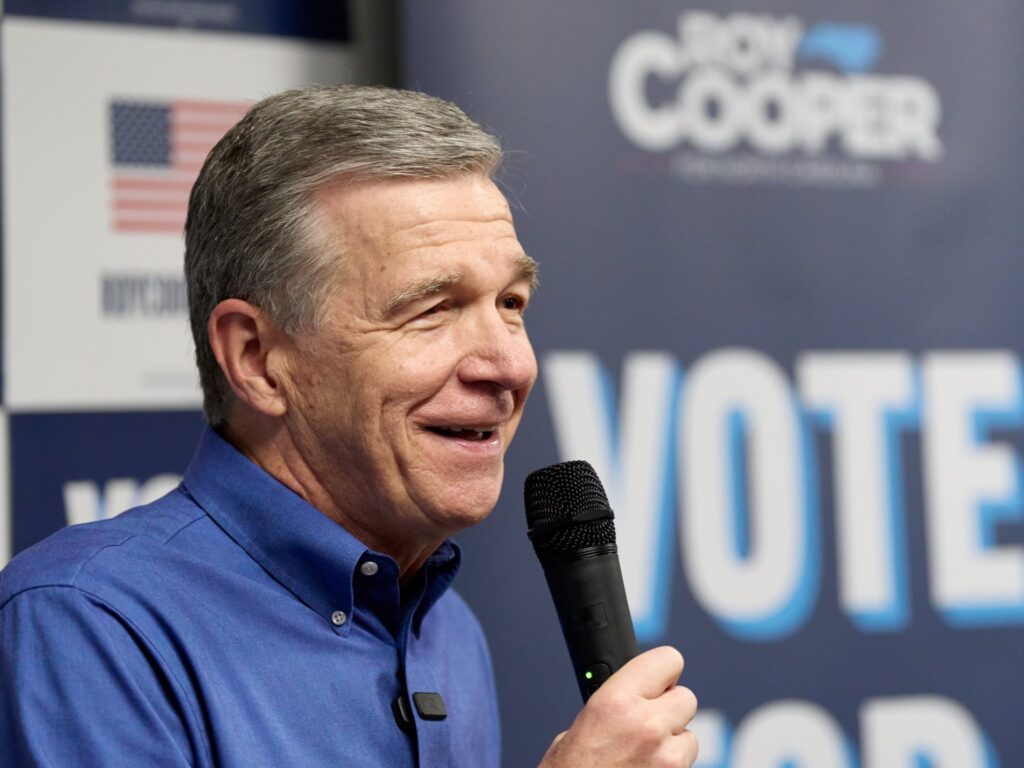
In a significant political shift, Democrat Roy Cooper has successfully flipped the North Carolina US Senate seat, defeating Republican candidate Michael Whatley. This victory marks a notable change in the state’s political landscape, as the Senate seat had been previously held by a member of the Republican party. Roy Cooper, who has served as the Governor of North Carolina, leveraged his extensive political experience and broad appeal to secure this important win. The election was closely watched, with both parties investing heavily in the campaign, recognizing the seat’s crucial role in shaping legislative priorities at the national level. Cooper’s victory is expected to impact not only North Carolina’s representation in the Senate but also the balance of power within the Senate itself. Analysts suggest that this shift could influence key policy decisions and legislative negotiations in the coming years. Michael Whatley, the Republican candidate, mounted a vigorous campaign but ultimately fell short against Cooper’s widespread support across various demographics. Voter turnout was high, reflecting the intense competition and the pivotal nature of this election. This result may signal changing political dynamics in North Carolina, as the state continues to evolve demographically and politically. Cooper’s win highlights the effective mobilization of Democratic voters and the appeal of his campaign messages related to economic development, healthcare, and education reform. As Cooper prepares to take his Senate seat, national and state-level politicians are closely monitoring how this change will affect future elections and legislative agendas. The outcome also sets the stage for potential shifts in policy direction that align more closely with Democratic priorities, especially in areas such as climate change, social justice, and economic inequality. With this Senate seat flipping, North Carolina joins a growing list of battleground states where political control is hotly contested. The election’s outcome underscores the dynamic nature of American politics and the importance of every vote in determining the country’s legislative future. Roy Cooper’s campaign team has expressed confidence in their ability to maintain this momentum in upcoming elections, aiming to solidify Democratic influence throughout the state. Meanwhile, the Republican party is expected to reevaluate strategies and candidate selection to regain competitive edge in future races. This election serves as a reminder of the evolving political landscape in the United States and the ongoing tug-of-war between the two major parties for control of key government positions. Cooper’s tenure in the Senate will be watched closely as he navigates the challenges and responsibilities that come with representing North Carolina at the national level. His victory resonates with voters who are seeking change and a new direction in Washington, signaling potential shifts in national policy priorities. The flipping of this Senate seat not only alters the political map but also energizes the Democratic base, motivating increased participation in the democratic process. As the dust settles from this heated contest, attention turns to legislative sessions where Cooper’s influence may be pivotal in shaping the future of the nation. This election outcome reaffirms the critical role of state elections in the broader context of American governance and highlights the significance of local issues in national politics.