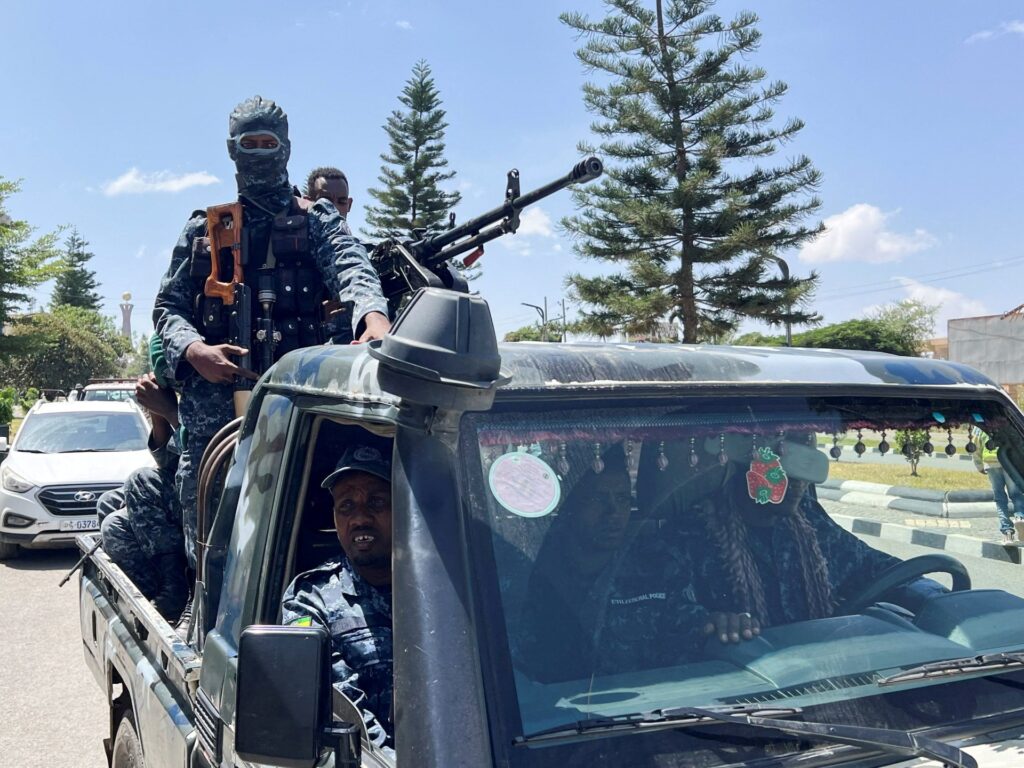
Tensions between Ethiopia and Eritrea have escalated significantly, with both nations accusing each other of initiating warfare. These fresh allegations have further strained the already fragile relationship between the two countries.
Ethiopia has accused Eritrea of backing the Tigray People’s Liberation Front (TPLF), a rebel group that has been in conflict with the Ethiopian federal government. According to Ethiopian officials, Eritrean support to the TPLF constitutes direct involvement in Ethiopia’s internal conflict and is a breach of sovereignty.
In response, Eritrea firmly denies any involvement or support to the TPLF. Eritrean authorities have rejected Ethiopia’s accusations as baseless, asserting that Eritrea has no interest in supporting any faction that would destabilize Ethiopia. The Eritrean government insists that it seeks peace and stability in the region, condemning the allegations as inflammatory and untrue.
This exchange of accusations comes amidst a backdrop of a complex and volatile relationship between the two neighbors, marked by history of conflict and recent attempts at peace. Ethiopia and Eritrea signed a peace agreement in 2018 that ended a two-decade-long border war, yet trust between the two nations remains fragile.
The renewed hostility is worrying for regional stability in the Horn of Africa, a region already beset by various political and humanitarian challenges. The conflict potential could exacerbate existing issues, including displacement, economic hardship, and threats to regional security.
Observers note that the bitter accusations may hinder diplomatic efforts and peacebuilding initiatives that have been slowly progressing since the 2018 peace deal. There is growing concern that without intervention and dialogue, the situation could spiral into a larger conflict, impacting not just Ethiopia and Eritrea but neighboring countries as well.
International actors and regional organizations have urged both parties to exercise restraint and return to dialogue. The African Union, in particular, has called for de-escalation and peaceful resolution of disputes, emphasizing the importance of maintaining regional peace and security.
Meanwhile, the humanitarian situation in affected areas, especially those linked to the TPLF conflict in Ethiopia, remains precarious. Aid agencies report difficulties in delivering assistance due to ongoing instability, which could worsen if tensions between Ethiopia and Eritrea persist or escalate further.
The international community continues to monitor the situation closely, advocating for diplomatic engagement, conflict resolution measures, and support for affected populations. Both Ethiopia and Eritrea face significant challenges ahead as they navigate these renewed tensions and the complex path towards lasting peace.
In summary, the mutual accusations of war initiation and the denial of support to contentious groups like the TPLF highlight deepening mistrust and instability between Ethiopia and Eritrea. The situation demands urgent attention to prevent further conflict and to promote dialogue, peace, and stability in the Horn of Africa region.