The United States government has announced plans to livestream the execution of the Fort Hood shooter, sparking a wave of legal and ethical debates nationwide. This unprecedented move has raised questions about the legality of livestreaming executions and its potential impacts on viewers, especially minors.
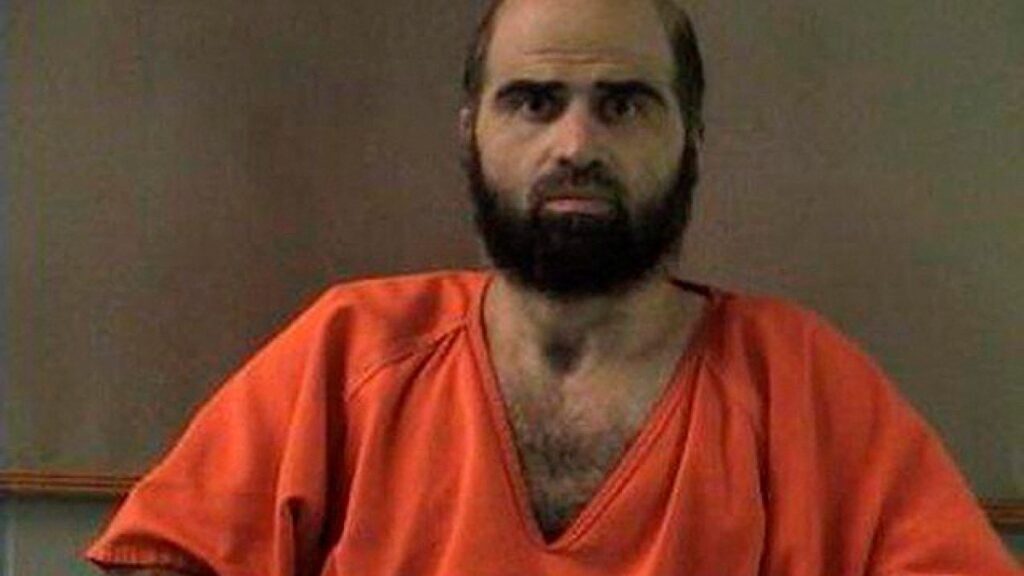
The Fort Hood shooter, responsible for a tragic mass shooting at the military base, is scheduled for execution by lethal injection. In an effort to increase transparency around the judicial process and the implementation of capital punishment, officials decided to broadcast the event live on the internet.
However, this decision has elicited strong reactions from rights groups and legal experts. They warn that livestreaming executions could expose vulnerable populations, particularly minors, to graphic and traumatic content. Normally, the United States restricts the witnessing of executions to select individuals such as family members, legal representatives, and media witnesses under strict guidelines. The move to livestream breaks from these traditional protocols.
Legal experts have also expressed concerns about the potential violation of various state and federal regulations pertaining to the witnessing of executions. Executions are typically highly controlled events with limited public access. Allowing public livestreams could complicate the enforcement of these regulations and open new legal challenges.
Children and adolescents are typically barred from attending executions due to the psychological harm such exposure could cause. The American Psychological Association has stated that witnessing violent death can lead to long-term trauma and distress. Livestreaming might inadvertently provide easier access to such distressing content, bypassing parental control and age restrictions.
Rights groups have called on the government to reconsider the decision, emphasizing the need to protect the mental health of the public and uphold the dignity of victims and their families. They argue that the primary goal of the justice system should be to administer fair punishment without causing additional harm to society.
Supporters of the livestream argue that it promotes transparency and public accountability in the justice system. They believe that allowing citizens to witness the execution firsthand via livestream could foster informed discussions about the death penalty and its application.
The Department of Justice has responded by stating that safeguards will be put in place to minimize exposure to minors. These include age verification requirements and content warnings prior to the broadcast. They assert that the livestream will be conducted respectfully and legally under existing capital punishment statutes.
This announcement comes at a time when the death penalty remains a highly contentious issue in the United States. Several states have moved to abolish it, while others continue to uphold it vigorously. The Fort Hood shooter’s case has drawn national attention due to the nature of the crime and the shooter’s military background.
The possible psychological impact, legal ramifications, and ethical concerns surrounding the livestreaming of executions make this a complex issue. The debate highlights the tension between justice, public transparency, and protection of vulnerable groups.
As this story develops, legal analysts and human rights advocates continue to monitor the situation closely. They seek to ensure that any action taken respects the rights of all parties involved and adheres to constitutional protections.
In conclusion, the US government’s decision to livestream the execution of the Fort Hood shooter is unprecedented and controversial. It raises important questions about the legality and social implications of public executions in the digital age. Ongoing discussions will shape future policies on how capital punishment is administered and witnessed.
The Fort Hood livestream could set a precedent for future cases, influencing how justice is perceived and delivered in an era of increasing digital transparency. As the nation grapples with these challenges, the balance between transparency, legality, and ethical responsibility remains at the forefront of the debate.