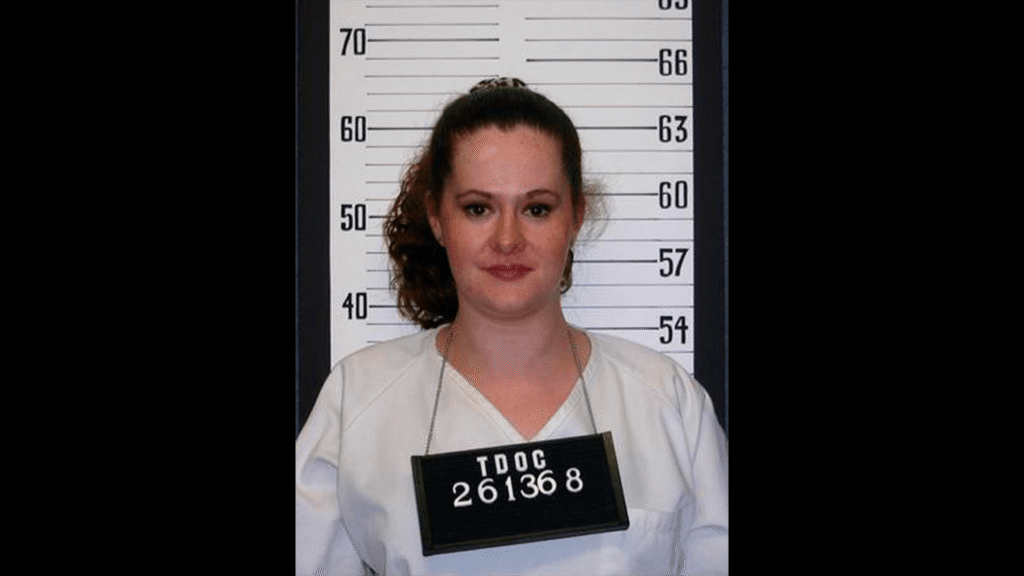
In a startling development, Christa Pike, a death row inmate in Tennessee, nearly had her life support removed after a failed execution attempt but regained consciousness just in time, her lawyer confirmed. Pike, known for her controversial conviction, was subjected to a botched execution that raised serious ethical and legal questions regarding the state’s capital punishment procedures.
The incident occurred when the execution process, intended to end Pike’s life, did not proceed as planned. Medical personnel and the execution team were reportedly caught off guard when Pike did not pass away as expected. Following the unsuccessful attempt, she was placed on life support, apparently in critical condition.
Tensions and concerns escalated when state officials prepared to remove her from life support, anticipating that her condition would not improve. However, in a surprising turn of events, Pike regained consciousness, effectively halting the planned removal of life support.
Her legal team swiftly responded to the situation, highlighting the gravity of the botched execution and underscoring the need for a thorough investigation. They urged for a review of the execution protocols and the methods employed, citing potential violations of human rights and medical ethics.
Christa Pike’s case has long been a subject of public attention due to the nature of her crime and her subsequent conviction. The failed execution has added another layer of complexity and controversy, sparking debates over the morality, legality, and practicality of the death penalty.
This incident is expected to lead to renewed scrutiny from human rights organizations, legal experts, and the public. Discussions may focus on the adequacy of medical standards in executions, the mental and physical conditions of death row inmates, and the overall administration of capital punishment in Tennessee and beyond.
The Tennessee Department of Correction has yet to release an official statement regarding the botched execution or Pike’s current medical status. Authorities are likely to face significant pressure to explain the circumstances and prevent similar occurrences in the future.
Christa Pike’s survival after the failed execution raises urgent questions about the death penalty’s implementation and the role of medical professionals in such procedures. As the investigation continues, the case may influence public opinion and legislative actions related to capital punishment in the United States.