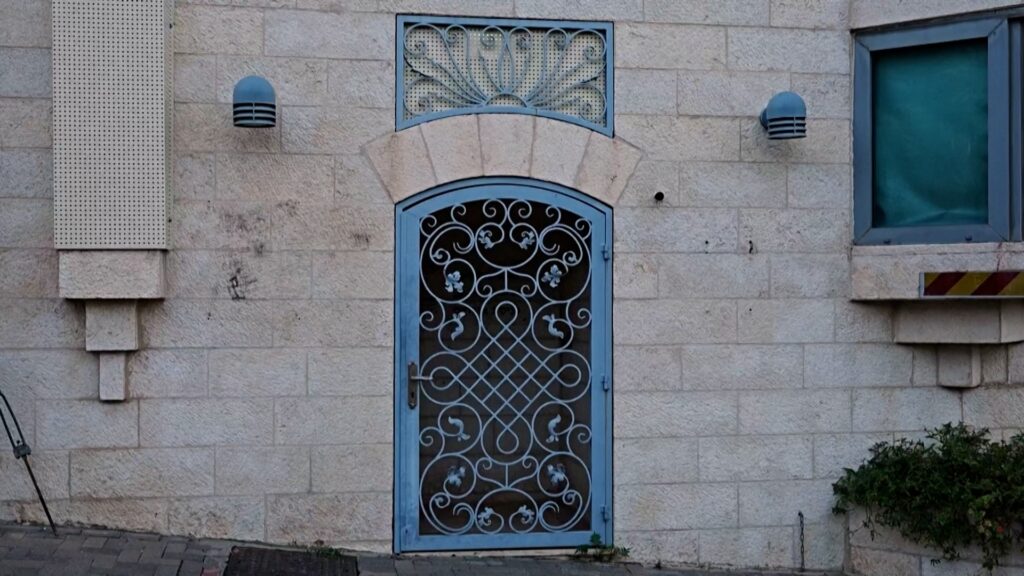
Overnight, authorities removed signs from the British consulate in occupied East Jerusalem as the deadline approached for its closure. The removal of these signs marks a significant development in the ongoing diplomatic tensions surrounding the consulate, which has served as an important point of contact between Britain and the Palestinian territories. The British consulate in East Jerusalem has long been a symbol of the United Kingdom’s diplomatic presence in the region, providing consular services and facilitating communication with Palestinian officials.
The decision to close the consulate stems from broader political shifts and disputes concerning diplomatic missions in Jerusalem. Occupied East Jerusalem remains a focal point in the Israeli-Palestinian conflict, with different countries taking varied positions on their diplomatic engagement in the city.
Observers note that the sign removal signals the imminent closure of the consulate building itself, underscoring a move that could impact diplomatic relations between the UK, Israel, and the Palestinian Authority. The British government had previously announced plans to shut down the consulate as part of changes to consolidate its diplomatic efforts under its embassy to Israel.
The closure has stirred reactions from various political leaders and civil society groups who view the consulate as a vital channel for dialogue and peace efforts in the region. Critics argue that shutting the consulate might reduce the UK’s ability to directly engage with Palestinian officials and advocate for Palestinian interests.
Meanwhile, the Israeli government maintains that diplomatic missions should be managed through official channels in Jerusalem to uphold the city’s status. This aligns with Israel’s broader claim over the entire city, a stance that remains heavily disputed internationally.
The British consulate had historically operated independently of the British Embassy to Israel, focusing specifically on Palestinian affairs. Its closure represents a significant diplomatic shift, reflecting changing geopolitical dynamics in the Middle East.
Meanwhile, the removal of physical signs from the consulate could be seen as a symbolic gesture, indicating final preparations for the consulate’s shutdown. Such acts often precede official announcements and the relocation of staff.
In summary, the recent removal of signage from the British consulate in occupied East Jerusalem is a clear marker of its impending closure, which holds considerable implications for UK diplomacy in the region. This development reflects shifting alliances and ongoing complexities in East Jerusalem’s international status and the broader Israeli-Palestinian conflict.