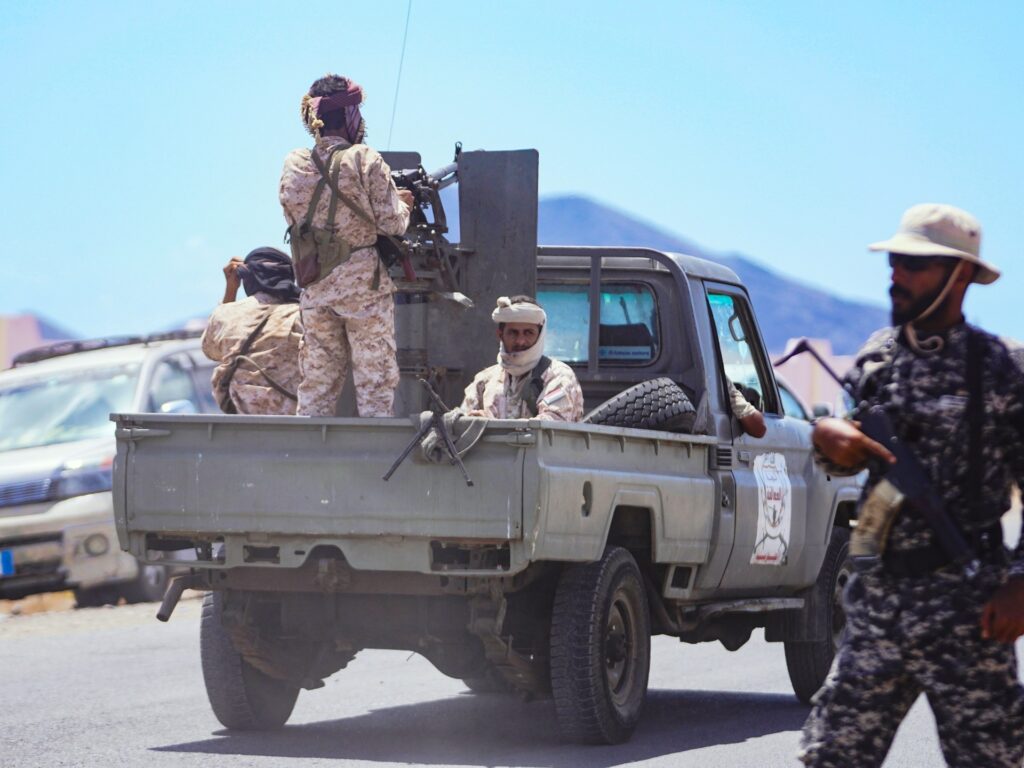
The ongoing war in Yemen has recently witnessed some of its heaviest fighting in the country’s southwestern region, where the internationally recognised government forces are engaged in intense conflict with the Houthi rebels. This area has become the focal point of military confrontations, underlining the escalating tensions between the two sides.
The southwestern front has strategic significance due to its geographical location, which includes access to vital supply routes and proximity to key urban centers. Control over this region promises a significant advantage to either faction, contributing to the ferocity of the clashes.
The internationally recognised government, supported by a coalition of regional allies, aims to reclaim territories seized by the Houthis in recent years. Their objective is to restore governmental authority and stabilize the region economically and politically.
On the other side, the Houthi movement, which controls large swathes of northern and western Yemen, is fighting to maintain its positions and expand influence. Their resilience in the face of ongoing military operations has prolonged the conflict and complicated peace efforts.
The humanitarian impact of the fighting in southwestern Yemen has been severe. Civilians have endured casualties, displacement, and shortages of essential resources such as food, water, and medical supplies. Aid organizations have repeatedly called for ceasefires to deliver humanitarian assistance safely.
The international community continues to advocate for negotiations and peaceful resolution, fearing that continued conflict will further destabilize not only Yemen but the broader region. Efforts include diplomatic talks, sanctions, and attempts to broker ceasefires.
Despite these efforts, sporadic violence and deep-seated mistrust between the parties hinder progress towards lasting peace. The situation remains fluid, with frontlines shifting and control over towns and villages frequently changing hands.
Military analysts observe that the southwestern battles could determine the trajectory of Yemen’s civil war. Success in this region for either side might embolden their positions in forthcoming negotiations or potentially lead to renewed escalations.
Overall, the fighting in southwestern Yemen reflects the broader complexity of the country’s conflict, marked by a mix of local grievances, regional power struggles, and international interests. The path to peace remains challenging, with the humanitarian and political stakes continuing to rise.
It is crucial for all stakeholders to prioritize dialogue and de-escalation to prevent further deterioration of the situation. Continued monitoring and support for humanitarian operations are essential to alleviate suffering.
As the conflict evolves, updates from the battlefield will remain critical in informing global responses and shaping potential avenues for resolution in Yemen’s long-standing war.