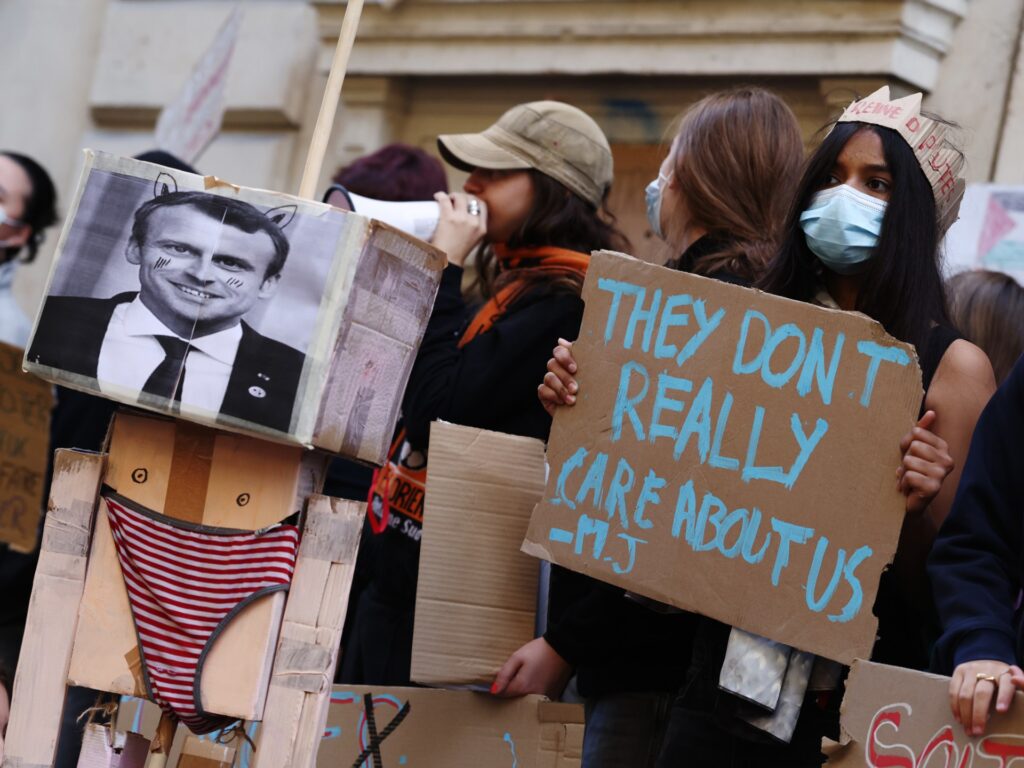
In recent weeks, France has witnessed escalating tensions as demonstrators clashed with riot police during protests against the government’s education policies. The unrest centers around widespread dissatisfaction among students, teachers, and parents concerning proposed reforms.
The protest wave began as peaceful gatherings but quickly escalated into school blockades and confrontations with law enforcement. Demonstrators argue that the new education policy undermines public education quality, increases inequality, and neglects critical issues such as funding and teacher workloads.
Across multiple cities, schools have been occupied or blocked, disrupting regular classes and creating a highly charged atmosphere. In response, riot police were deployed to control crowds, leading to violent clashes in some areas. Authorities reported several injuries and arrests.
Protesters have expressed frustration with the government’s perceived unwillingness to engage in meaningful dialogue. Teachers’ unions and student organizations have called for broader consultations to address their concerns.
The education reforms, aimed at restructuring curriculum and assessment methods, have been defended by the government as necessary modernization efforts. However, critics argue that the changes have been implemented hastily and without adequate consideration of on-the-ground realities.
Public opinion remains divided, with some supporting the government’s initiative for improving education standards, while others empathize with the protesters’ demands for more inclusive policy-making.
The current unrest is part of a broader context of social protests in France, reflecting deep-rooted issues such as social inequality, youth unemployment, and distrust in political institutions.
As demonstrations continue, the safety of students and the continuity of education remain major concerns for communities across the country. Both sides are under pressure to find a resolution that respects the rights and needs of all stakeholders.
Observers suggest that without constructive negotiation, the protests may persist, potentially triggering wider social unrest. The situation in France highlights the challenges governments face when attempting to reform public services amid societal tensions.
In summary, the ongoing education protests in France underline significant societal divisions and the urgent need for inclusive dialogue to address public concerns. The clashes between demonstrators and police symbolize a deeper crisis of trust and governance that extends beyond education alone.