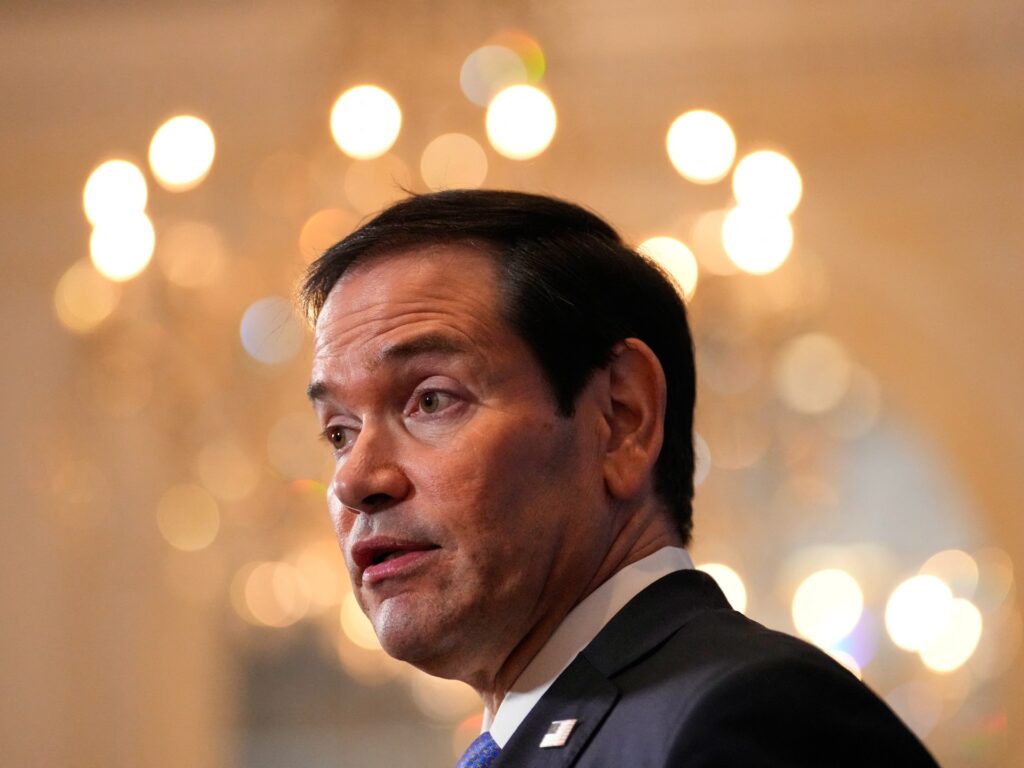
US Senator Marco Rubio has indicated that the United States is open to discussions with Cuba regarding a change in its government. His comments came in the wake of a controversial statement made by former President Donald Trump at the United Nations, where Trump described Cuba as a ‘failed state.’ This characterization led to a dramatic response from the Cuban delegation, which chose to walk out of the UN session in protest.
Rubio, a prominent critic of the Cuban government, emphasized the need for increased pressure and dialogue aimed at promoting democratic reforms in the island nation. According to him, the US should not shy away from conversations that could lead to significant political changes in Cuba.
The US-Cuba relationship has been historically complex, marked by decades of hostility and intermittent attempts at rapprochement. Since shifting policies under different US administrations, the approach towards Cuba has alternated between engagement and strict sanctions.
Rubio’s latest remarks suggest a continuation of a firm stance against the Cuban regime, reinforcing the position that the current government in Havana is unsustainable and in need of reform. He advocated for international cooperation to support the Cuban people’s aspirations for freedom and democracy.
The Trump administration’s labeling of Cuba as a failed state reflects a broader strategy to isolate the Cuban government economically and politically. This move was intended to intensify internal pressure on the Cuban leadership and encourage opposition movements within the country.
However, the Cuban delegation’s walkout at the UN marked a significant diplomatic protest, highlighting the tension and lack of dialogue between the two nations’ representatives. It underscored the deep divisions and mistrust that continue to define US-Cuba relations.
Experts believe that for any meaningful progress to occur, both sides need to engage in direct and constructive dialogues. Rubio’s openness to talks could signal the potential for a new phase in diplomatic relations, though it remains to be seen how Cuba’s government will respond to such overtures.
The international community watches closely as the US attempts to balance pressure and diplomacy in its approach to Cuba. The outcome of these discussions could have important implications for regional security and the future of US-Latin America relations.
In summary, Senator Marco Rubio’s statements reveal a US willingness to engage in talks with Cuba about government change, a prospect that was intensified by Trump’s hardline rhetoric at the UN. The ongoing dynamic between the two countries remains delicate, with high-stakes political and diplomatic consequences.