Saudi Arabia has successfully intercepted several missiles launched by the Houthi movement aimed at Riyadh and the Eastern province, marking another escalation in the ongoing conflict in the region. The missile intercepts were carried out by Saudi defense systems designed to protect critical urban centers and infrastructure from such attacks.
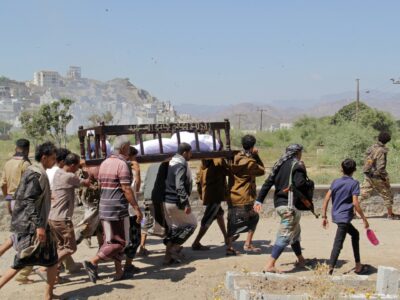
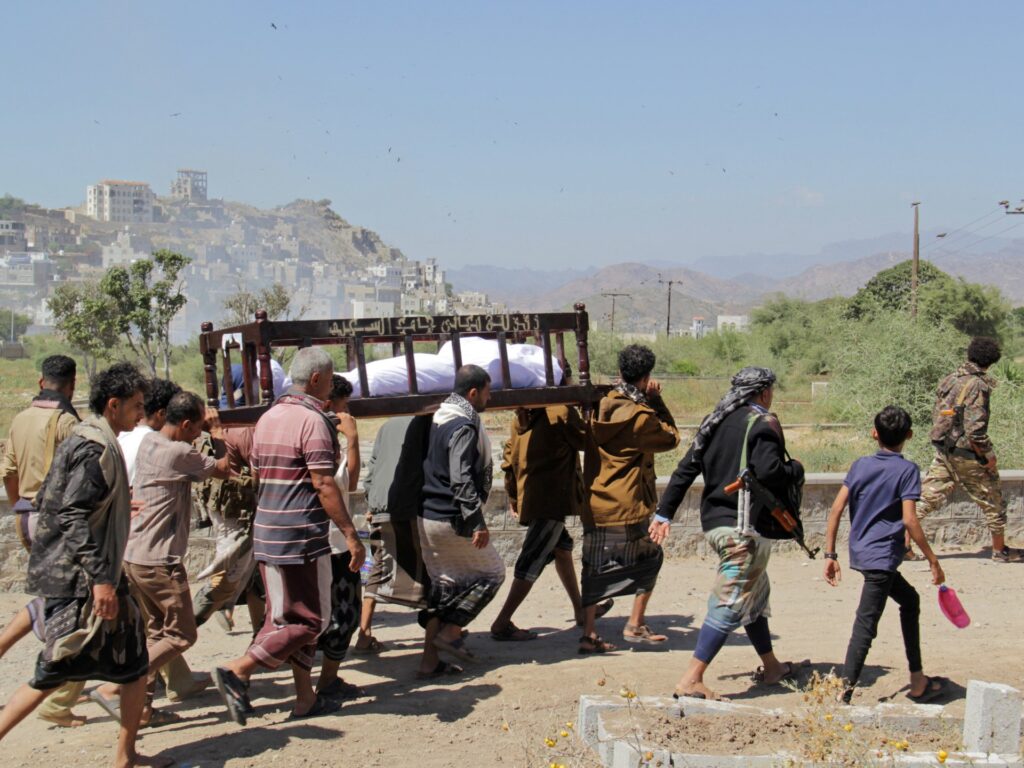
The attacks come at a time of heightened tensions following a recent coalition air strike on a village near Sanaa, the capital of Yemen, which the Houthis reported caused 33 deaths. This retaliatory missile launch by the Houthis signifies the deepening hostilities between the Saudi-led coalition and the Houthi forces.
The missile interceptions were confirmed by Saudi defense officials, who stated that the defense systems were promptly activated upon detecting the incoming threats. These systems successfully neutralized the missiles before they could reach their intended targets, averting potential civilian casualties and significant damage to key locations.
Riyadh, as the capital and largest city of Saudi Arabia, holds immense political and economic importance for the kingdom, while the Eastern province is crucial due to its oil reserves and industrial facilities. Hence, the Saudi military maintains high readiness to counter any threats directed toward these strategic areas.
The ongoing Yemen conflict has seen repeated missile and drone attacks launched by the Houthi rebels towards Saudi Arabia. The conflict began in 2014 when the Houthis, a Shia rebel group, took control of Yemen’s capital and large parts of the country, prompting a coalition led by Saudi Arabia to intervene militarily in 2015.
The coalition’s air strike near Sanaa which resulted in 33 reported casualties has been condemned by the Houthis as part of what they describe as continued aggression against Yemeni civilians. In response, the Houthis have intensified their missile attacks on Saudi territories, viewing them as military and political targets.
International observers have expressed concern over the rising number of civilian casualties and the expanding reach of the conflict. There are calls for renewed peace negotiations to prevent further destabilization in the region.
Saudi Arabia has maintained that its military operations aim to restore the internationally recognized Yemeni government and prevent the expansion of Houthi power, which it views as an Iranian proxy destabilizing the Arabian Peninsula.
The success of the missile defense systems underscores the kingdom’s heavy investment in modernizing its military capabilities to counter asymmetric threats such as those posed by missile and drone attacks.
Analysts note that while these interceptions prevent immediate damage, they also indicate a broader strategy by the Houthis to internationalize the conflict and pressure the coalition through strikes deep inside Saudi territory.
The human cost of the conflict continues to mount, with thousands of civilians killed and millions displaced, exacerbating an already dire humanitarian crisis in Yemen.
Efforts by the United Nations and other international bodies to mediate have thus far yielded limited progress, as both sides remain entrenched in their positions.
The recent missile interceptions are likely to prompt further military and diplomatic responses from the involved parties, signaling that the conflict remains volatile and far from resolution.
As the situation develops, the international community continues to monitor the potential for escalation that could have wider implications for regional security in the Middle East.
In summary, Saudi Arabia’s successful interception of Houthi missiles targeting Riyadh and the Eastern province underscores the ongoing and escalating conflict dynamics between the two parties. This comes in the wake of a deadly coalition air strike near Sanaa, reflecting a cycle of retaliation and violence that continues to fuel instability in the region.