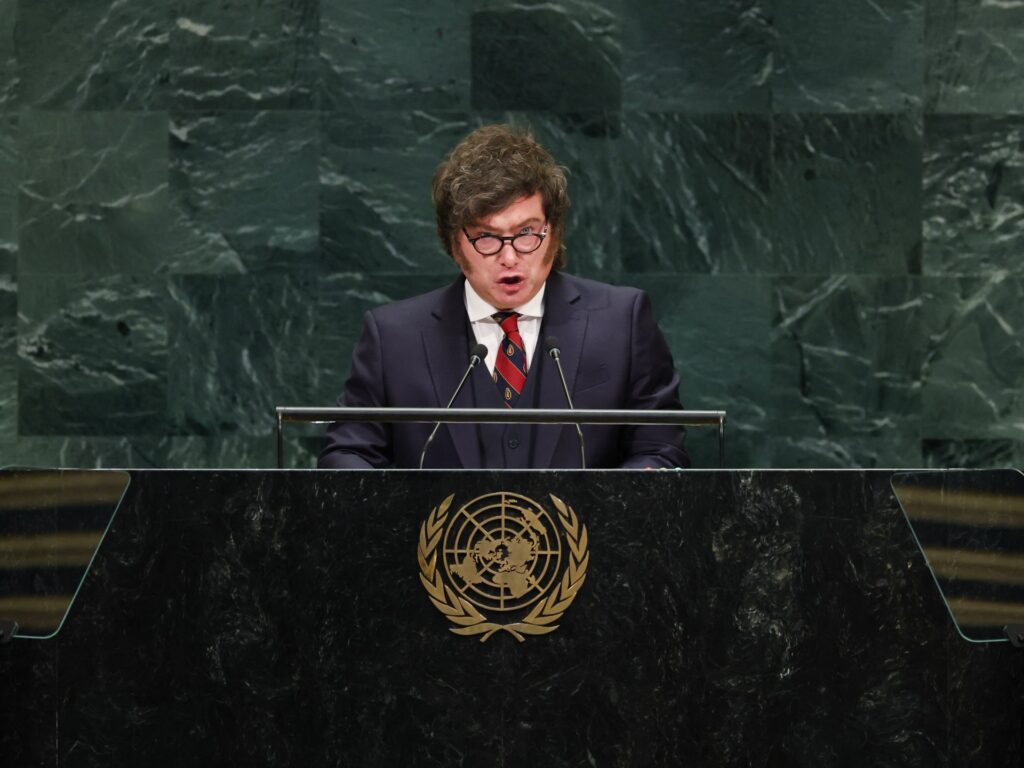
Argentina’s political landscape is witnessing escalating tensions over the sovereignty of the Falkland Islands, known in Argentina as Las Malvinas. Recently, Argentine politician Javier Milei criticized the United Nations for what he described as “looking the other way” regarding the ongoing dispute over the islands. This statement underscores the rising diplomatic friction between Argentina and the United Kingdom, especially heightened by recent developments in offshore oil exploration around the disputed territory.
The Falkland Islands have been a subject of long-standing contention, with Argentina claiming sovereignty and the UK maintaining control since the 19th century. The dispute intensified significantly after the 1982 Falklands War, and despite international efforts, the UK retains administrative control of the islands.
In recent years, tensions have been aggravated by the discovery and exploitation of natural resources, particularly oil reserves in the surrounding waters. Argentina views the offshore oil drilling activities by the UK as a direct challenge to its sovereignty claims. Milei’s public comments reflect a broader national sentiment that critiques international organizations, especially the UN, for perceived passivity or imbalance in addressing the issue.
The Argentine government’s renewed vigor in asserting its claim over Las Malvinas involves diplomatic, political, and economic strategies. Argentina has increased international lobbying efforts, seeking support from Latin American countries and other allies to bolster its position. This diplomatic push aims to pressure the UK and the UN to revisit negotiations concerning the islands.
From the UK perspective, the administration firmly supports the self-determination of the islanders, emphasizing their right to decide their political status. The British government continues to support exploration and development projects in the Falklands’ offshore oil fields, reinforcing its control and economic interests in the region.
Experts note that the dispute over the Falkland Islands encapsulates broader geopolitical dynamics, including regional nationalism, resource control, and international law. The conflict remains a delicate issue, with the potential to spark broader regional instability if not managed diplomatically.
International reactions vary, with some countries understanding Argentina’s position while others back the UK’s stance or call for peaceful dialogue. The UN, which proclaims support for peaceful dispute resolution, has faced criticism from Argentina for insufficient action or mediation efforts. However, the UN maintains that it encourages bilateral negotiations and adherence to international law.
As Argentina steps up its campaign, the economic implications of the offshore oil drilling gain prominence. The potential wealth from these resources could significantly impact the Falklands’ economy and the broader geopolitical balance in the South Atlantic.
In summary, the dispute over the Falkland Islands remains a complex and emotive issue, with Argentina intensifying its efforts to reclaim what it sees as its rightful territory. Statements like that from Javier Milei highlight frustrations with international bodies and add urgency to Argentina’s diplomatic strategies. As tensions increase, the global community watches closely, hoping for a resolution that respects sovereignty, resources, and regional stability.