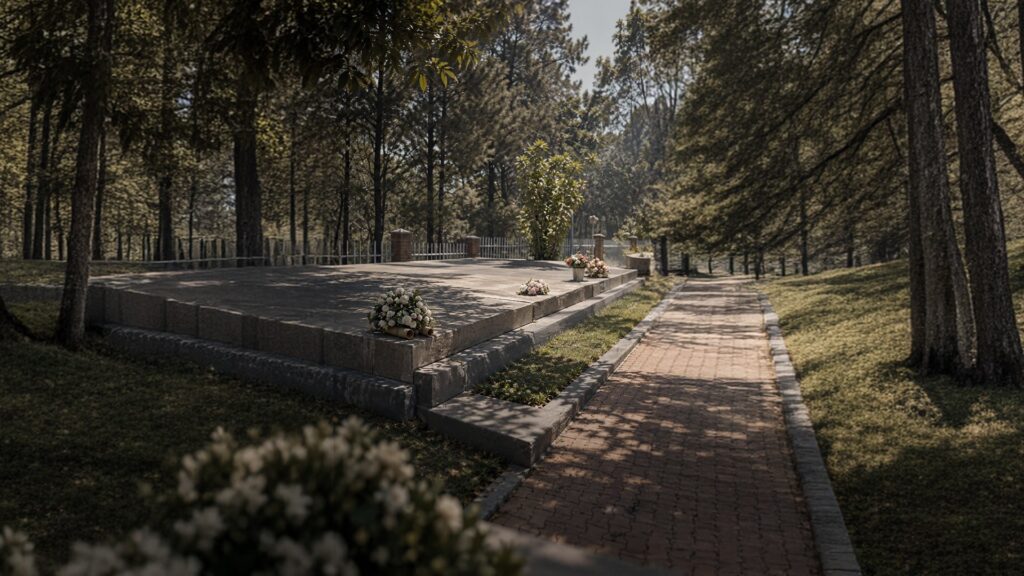
The 1994 Tutsi Genocide in Rwanda stands as one of the most tragic and devastating events in modern history, resulting in the systematic massacre of an estimated 800,000 people, predominantly from the Tutsi ethnic group, over the course of approximately 100 days. Understanding the root causes and the sequence of events that led to this horrific genocide is essential to grasp the complexity of the conflict and the challenges faced in its aftermath.
Historical Context:
Rwanda’s population is primarily composed of two ethnic groups: the Hutu majority and the Tutsi minority. Colonial powers, particularly Belgium, exacerbated divisions by privileging the Tutsi minority for administrative roles, sowing seeds of resentment among the Hutu majority. This divide was deepened over decades, leading to social and political tensions.
Post-Independence Dynamics:
After Rwanda gained independence in 1962, power shifted to the Hutu majority. However, periodic violence and discrimination persisted against Tutsis, many of whom fled to neighboring countries. The stage for conflict was thus set, with ethnic divisions deeply ingrained in Rwandan society.
The Immediate Causes:
The assassination of Rwandan President Juvenal Habyarimana on April 6, 1994, when his plane was shot down near Kigali airport, served as the immediate catalyst for the genocide. Although responsibility remains debated, Hutu extremists used this event to launch a planned and rapid campaign of violence against Tutsis and moderate Hutus.
Propaganda and Planning:
In the years leading up to the genocide, extremist Hutu groups utilized media, including the infamous Radio Télévision Libre des Mille Collines (RTLM), to spread hate propaganda, dehumanize Tutsis, and incite violence. Paramilitary groups like the Interahamwe were also trained and prepared to carry out mass killings.
The Genocide:
Following President Habyarimana’s death, government forces and Hutu militias systematically targeted Tutsi civilians, as well as political opponents. Mass killings, rape, and other atrocities were committed. International response was slow and inadequate, with peacekeepers limited in mandate and numbers.
Aftermath and Justice:
In the aftermath, Rwanda underwent a rigorous process of reconciliation, justice, and rebuilding. The International Criminal Tribunal for Rwanda (ICTR) was established to prosecute those responsible for genocide, war crimes, and crimes against humanity. Community-based Gacaca courts were also implemented to facilitate local justice.
Recent Development:
The genocide’s legacy continues to reverberate. Recently, a British doctor has been charged with alleged killings during the 1994 genocide. This development underscores the ongoing pursuit of justice and accountability, highlighting that the international community remains committed to addressing crimes committed during this dark chapter.
The 1994 Tutsi Genocide was the result of entrenched ethnic divisions, colonial legacies, political instability, and extremist ideologies culminating in mass violence. The events provide crucial lessons on the importance of early intervention, the dangers of hate speech, and the necessity of international cooperation in preventing such atrocities. Rwanda’s journey post-genocide demonstrates both the resilience and challenges of rebuilding a society torn apart by ethnic violence.