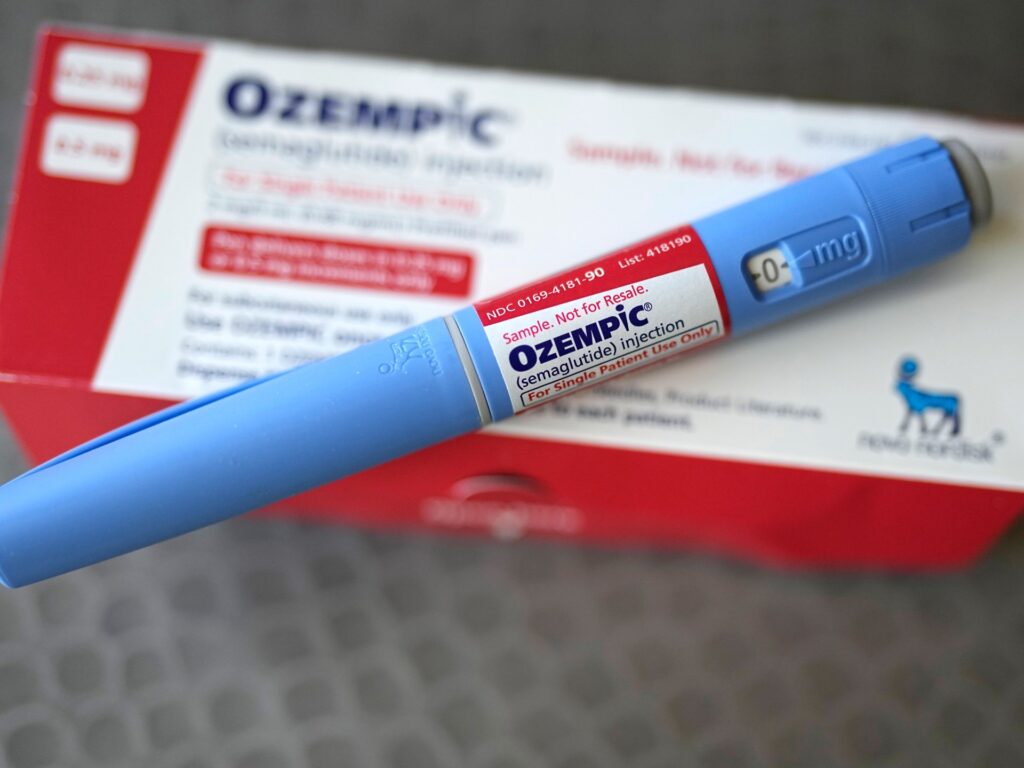
GLP-1 drugs, including popular medications like Ozempic, have become widely prescribed for managing diabetes and aiding weight loss. However, concerns have arisen following more than 90 lawsuits that allege these medications can cause rare eye conditions leading to vision loss. These lawsuits claim a connection between GLP-1 drug use and serious ocular side effects, sparking patient and medical community interest in understanding the risk profile of these treatments.
Glucagon-like peptide-1 (GLP-1) receptor agonists are a class of drugs that help improve blood sugar control in individuals with type 2 diabetes and have also gained popularity for their weight loss benefits. Ozempic, one of the leading GLP-1 drugs, helps to regulate insulin production and slow gastric emptying, thus reducing appetite and blood sugar spikes.
Despite their benefits, some patients and legal claims have raised safety concerns about potential negative effects on eye health. The lawsuits suggest a link between GLP-1 drugs and rare eye conditions such as diabetic retinopathy progression and other vision-threatening complications. Diabetic retinopathy, a diabetes-related damage to the retina, can worsen with fluctuating blood sugar levels, and some lawsuits argue that rapid glycemic control from GLP-1 drugs might exacerbate this condition.
However, medical experts emphasize that the existing scientific evidence remains limited and inconclusive. Clinical trials and post-marketing studies for GLP-1 drugs have documented common side effects like nausea and gastrointestinal issues but have not definitively established a causal relationship with vision loss. The American Diabetes Association and other professional organizations continue to monitor emerging data while advocating for personalized treatment decisions.
Patients on GLP-1 drugs are encouraged to maintain regular eye examinations, particularly those with preexisting diabetic eye conditions, to detect any early changes that might require intervention. Healthcare providers should also discuss potential risks and benefits thoroughly with their patients, ensuring vigilant management of blood glucose and eye health.
The lawsuits have prompted manufacturers to review their safety information and may result in updated guidelines or warnings related to eye health risk. Scientific research continues to explore the mechanisms by which GLP-1 drugs may affect retinal tissue, aiming to clarify whether the association is coincidental, related to underlying diabetes progression, or a pharmacological effect.
In summary, while GLP-1 drugs like Ozempic have revolutionized diabetes and obesity treatment, their potential impact on vision remains an area of active investigation. Patients should not abruptly stop medication without consulting their medical team but should stay informed and monitor their eye health rigorously. Ongoing research and regulatory reviews will be key in defining the true risk profile and ensuring patient safety in the future.