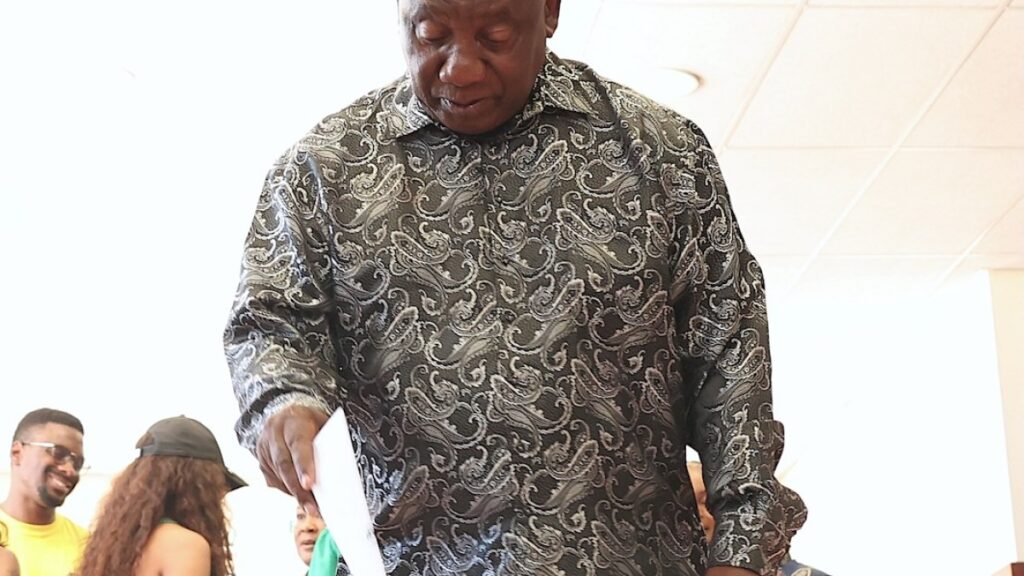
South Africa is facing a significant political shift as recent local elections resulted in what many analysts describe as ‘catastrophic’ outcomes for the African National Congress (ANC), the party that has dominated the country’s political landscape since the end of apartheid. These election results mark a pivotal transition from an era of ANC electoral dominance to a more fragmented political environment, reshaping the future of South African governance.
The ANC, which has historically commanded a vast majority across municipalities, suffered substantial losses in key urban areas where voter dissatisfaction over service delivery, corruption, and economic stagnation has grown. This decline is alarming for the party, as local government elections are often seen as a bellwether for national sentiment. The ANC’s reduced majority means it will now have to navigate a complex web of coalition politics, a scenario it has seldom faced with such magnitude before.
Political fragmentation means that no single party can govern without forming alliances. This necessitates compromise and negotiation, which could fundamentally alter policy-making processes and governance style in South Africa’s metros and municipalities. Opposition parties, particularly the Democratic Alliance (DA) and the Economic Freedom Fighters (EFF), have capitalized on this shift, increasing their foothold and bargaining power at the local government level.
This changing political landscape reflects widespread public discontent with the ANC’s handling of issues such as corruption scandals, economic inequality, unemployment, and inadequate public services like water, electricity, and housing. Voters, especially the younger demographic, are less inclined to support the ANC unconditionally, signaling a demand for accountability and change.
The implications for the ANC are profound. Internally, the party faces pressure to reform and address the causes of its electoral decline. Externally, it must contend with more assertive opposition forces capable of challenging its traditional dominance. The need for coalition governance could also lead to more inclusive but possibly unstable local administrations.
Experts suggest that the ANC must embark on rebuilding trust and delivering improved public services to regain voter confidence. Failure to do so could accelerate its decline and reshape South Africa’s political future toward greater pluralism and competitive democracy.
In conclusion, the ‘catastrophic’ election results are more than just a setback for the ANC; they represent a transformative moment in South African politics. The era of single-party dominance is drawing to a close, paving the way for a dynamic and possibly more accountable political system where power is shared and contested among various political entities.