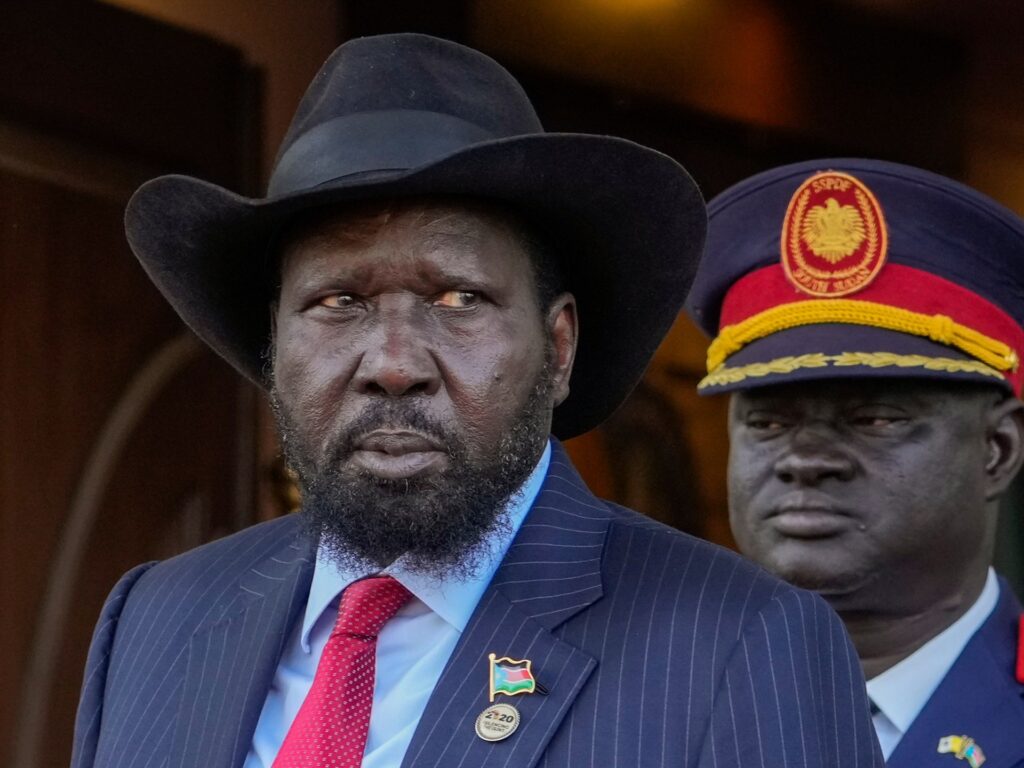
South Sudan’s President Salva Kiir has taken the significant step of dissolving the current government ahead of the country’s first-ever national elections, a move that both clears the way for long-delayed democratic polls and raises serious concerns about the consolidation of power.
The decision to dissolve the government marks a critical juncture in South Sudan’s political landscape as the country prepares to conduct elections that were initially scheduled years ago but postponed multiple times due to ongoing conflicts and political instability. President Kiir’s announcement aims to pave the path forward for these elections, which are seen as a pivotal moment for the young nation’s future.
South Sudan gained independence in 2011, emerging from decades of civil war, but has since struggled with internal conflict and governance challenges. The election is widely viewed as an opportunity to establish a more stable, democratic government and reinforce peace in the region.
However, Kiir’s move has sparked apprehension among political observers and opposition figures who fear that dissolving the government could allow the President to wield unchecked power during the transitional period. Critics argue that the decision centralizes authority within Kiir’s administration, potentially undermining democratic processes and limiting the scope of opposition influence.
The government dissolution is accompanied by the President’s call for national unity and cooperation as South Sudan enters this delicate phase. Kiir has urged political parties, civil society, and the international community to support the electoral process to ensure free, fair, and credible elections.
Analysts highlight that the success of the elections depends heavily on maintaining security, transparency, and inclusiveness throughout the campaign and voting phases. The country continues to face challenges such as ethnic tensions, displacement, and economic hardship, all of which could influence the electoral environment.
International organizations have welcomed the move towards elections but emphasize the importance of adhering to democratic principles and human rights protections. The United Nations and regional bodies stand ready to assist South Sudan in organizing and monitoring the elections to promote legitimacy and public confidence.
As preparations for the elections accelerate, the international community watches closely to see whether this political development will catalyze peace and democratic governance or deepen existing divisions. The steps taken by President Kiir will be critical in shaping the trajectory of South Sudan’s political and social future.
In summary, the dissolution of South Sudan’s government by President Salva Kiir is a decisive but controversial action intended to facilitate the country’s first national elections. While it removes obstacles that have delayed the electoral process, it simultaneously raises concerns about the concentration of power and the potential impact on democratic norms. The coming months will be crucial in determining if South Sudan can seize this moment to foster unity, stability, and democratic progress.