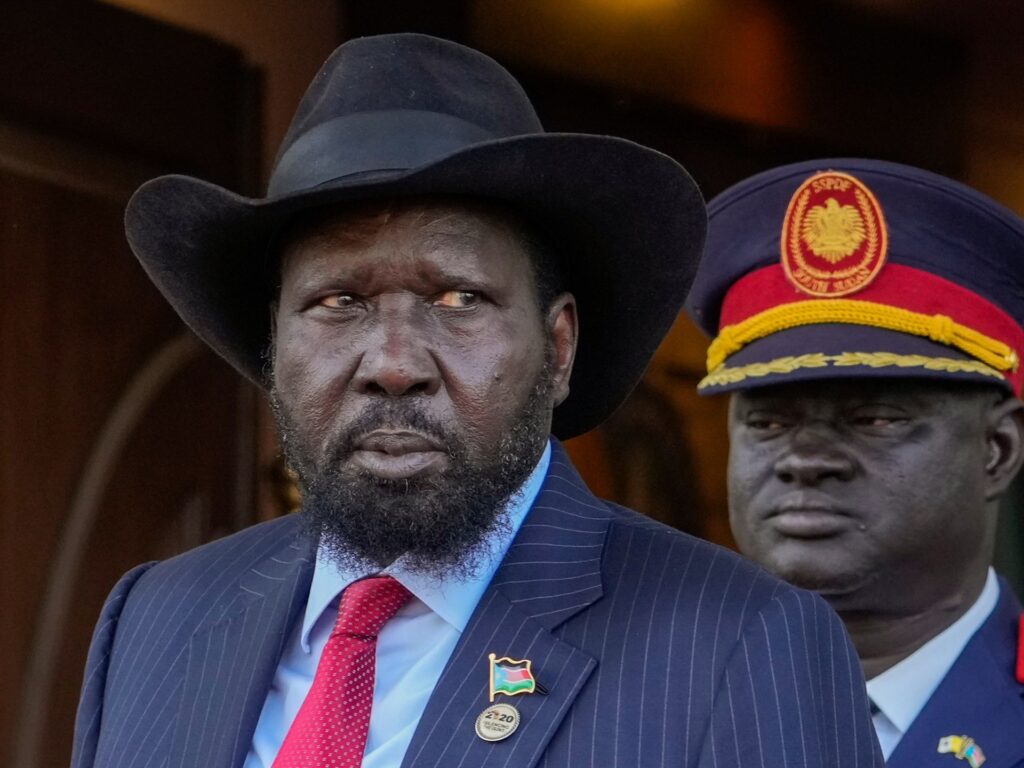
In a decisive political move ahead of its historic first-ever national elections, South Sudan has dissolved its government. President Salva Kiir has taken this action to clear the way for the long-delayed elections that aim to establish a fully functioning democratic government in the world’s youngest nation. This decision comes amidst years of political instability and conflict, as the country continues to recover from its brutal civil war which erupted shortly after independence in 2011.
The dissolution of government marks a significant turning point in South Sudan’s turbulent political landscape. Since independence, the country has struggled to maintain peace and political coherence, with multiple factions competing for power. The elections, postponed several times, were originally planned to take place in 2015 but have been delayed due to ongoing violence and logistical challenges.
President Kiir’s move to dissolve the government is intended to remove existing obstacles and unify the political machinery so that the electoral process can move forward efficiently. However, it has also sparked concerns both domestically and internationally. Critics argue that this action could potentially allow Kiir to consolidate power further, raising fears of unchecked authority and undermining democratic principles.
The announcement follows a peace agreement brokered to end years of communal fighting among different ethnic groups in South Sudan. The agreement has stipulated reforms and political arrangements designed to promote inclusive governance and power sharing. The nationwide elections are viewed as a critical step towards implementing these commitments and stabilizing the nation.
Observers emphasize that the success of the elections will hinge not only on the government’s administrative capacity but also on maintaining security throughout the electoral period. There are worries that factions opposed to the current regime might disrupt the process, risking a return to violence.
President Salva Kiir has, nonetheless, expressed optimism about the elections, stating that they represent a chance for South Sudanese citizens to exercise their democratic rights and unify their fragmented society. He urged all political parties to collaborate peacefully to ensure the elections are free, fair, and credible.
The international community, including the United Nations and African Union, has welcomed the move to dissolve government as a positive sign of progress towards democracy but continues to call for vigilance to protect electoral integrity and human rights.
As South Sudan prepares for this landmark event, the nation faces both hope and uncertainty. The successful conduct of the elections could pave the way for long-term peace and development, but the underlying political tensions remain a formidable challenge to stability.
In summary, the government’s dissolution represents both a critical opportunity and a test for South Sudan. The upcoming elections will be a defining moment in its young history, potentially charting a path to peace, democracy, and prosperity for millions of South Sudanese citizens.