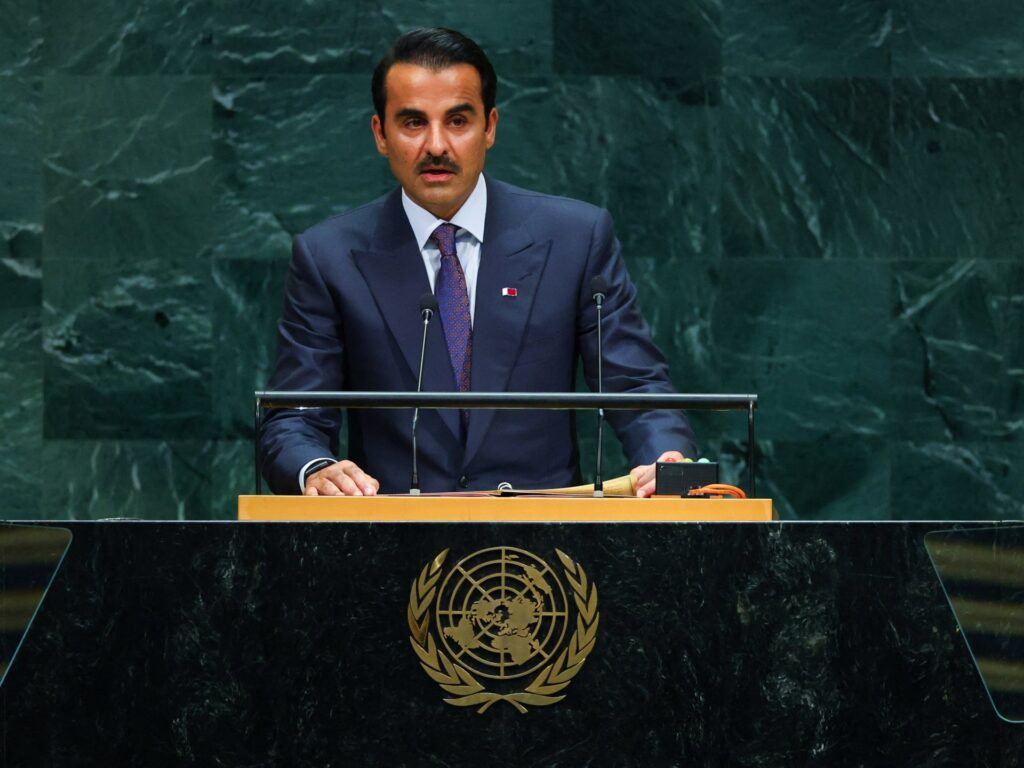
In a critical moment for the Middle East, Qatar’s Emir Sheikh Tamim bin Hamad Al Thani has spoken out about the escalating tensions in the Gulf region, urging for immediate diplomatic efforts to prevent worsening conflicts. Addressing the increasingly fragile situation, Sheikh Tamim highlighted that years of delayed or inadequate diplomacy have contributed to the current crisis between the US, Israel, and Iran.
Sheikh Tamim expressed concern over what he described as a “dangerous phase” unfolding in the Gulf, underscoring the risk it poses not only to regional stability but also to global security. The Gulf, a strategic and economically vital area due to its energy resources and geopolitical position, has witnessed rising tensions amid fears of a broader war involving Iran.
According to the Emir, the absence of sustained and effective diplomatic engagement has exacerbated misunderstandings and hostilities. He emphasized that these tensions could have been mitigated if proactive dialogue and negotiations had been prioritized in previous years.
The Emir’s remarks come at a time when the US and Israel have taken a firm stance against Iran’s nuclear and regional activities, leading to heightened military alerts and preparations on both sides. The Gulf countries, including Qatar, find themselves at the crossroads of this escalating conflict, with their security and economic prosperity at stake.
Qatar, known for its relatively neutral foreign policy and active mediation efforts, has repeatedly called for peaceful resolutions and dialogue to defuse regional crises. Sheikh Tamim’s call for diplomacy reiterates this position, advocating for constructive engagement rather than confrontation.
Experts note that the Gulf’s complexity lies in its diverse political alliances, economic interests, and sectarian divisions, all of which complicate conflict resolution. The Emir’s warning is a timely reminder of the urgent need to bridge these divides through diplomacy.
In addition to immediate diplomatic interventions, the Emir advocated for regional cooperation mechanisms that can enhance trust and communication among Gulf states and with international stakeholders. This approach, he believes, will reduce the risk of misunderstandings escalating into full-blown conflict.
The ongoing tensions with Iran, particularly involving proxy conflicts and accusations of destabilizing actions, have alarmed Gulf states. The potential for these tensions to spiral into a wider war poses significant risks to global oil markets and trade routes.
Sheikh Tamim’s statements also highlight the broader implications of the US-Israel-Iran standoff for the entire Middle East. He underscored that unilateral actions and military pressures are unlikely to yield lasting peace and might instead deepen distrust and hostility.
The Emir’s call for diplomacy aligns with calls from international organizations urging restraint and dialogue to prevent further deterioration of security in the Gulf. The United Nations and other global bodies have repeatedly emphasized the importance of negotiation and peaceful conflict resolution in the region.
As tensions simmer, Qatar’s leadership continues to position the nation as a key player in promoting peace and dialogue. Sheikh Tamim’s appeal serves as a critical reminder of the value of diplomacy in navigating the complex and dangerous geopolitical landscape of the Gulf.
With the Gulf at such a precarious juncture, the international community watches closely to see if diplomatic efforts can succeed in averting a full-scale war and fostering a more stable and secure future for the region.