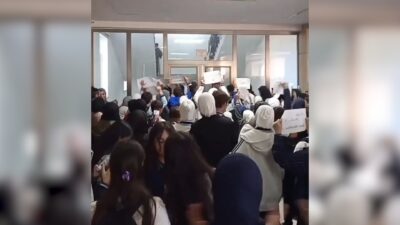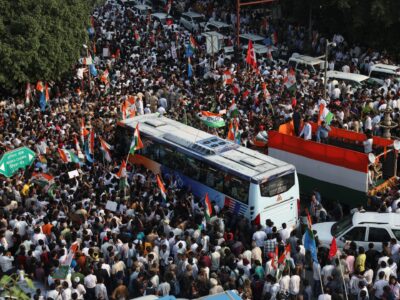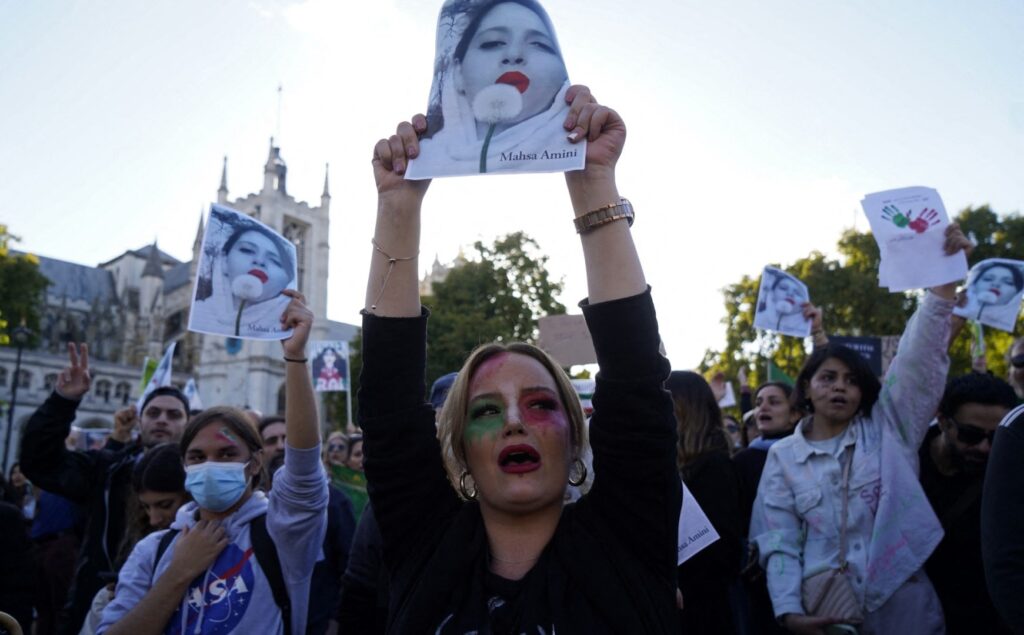
The slogan ‘Woman, Life, Freedom’ has become a powerful emblem of resistance and aspiration for Iranians over the past four years. Beginning in 2019 and seeing intensified expression through 2022-23 protests, this movement continues to echo through the streets, hearts, and minds of many across the country and the diaspora. The phrase encapsulates a demand for fundamental rights and justice, highlighting issues of gender equality, civil liberties, and freedom from oppression.
Iranians today reflect on these years of activism and resistance with a mixture of pride, sorrow, and cautious hope. Women, who have been at the forefront of the protests, face persistent repression, yet their determination remains unbroken. The movement has galvanized diverse sections of society — including youth, intellectuals, and workers — uniting them under a common cause for dignity and change.
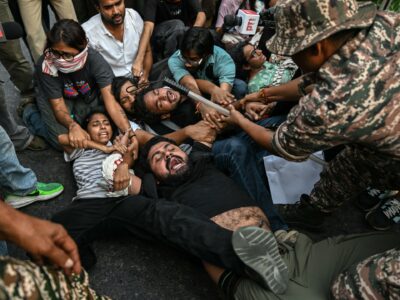
However, this period has not been without grave consequences. Amnesty International, an authoritative human rights organization, has reported that Iranian authorities committed crimes against humanity during the protests that swept the country between 2022 and 2023. These alleged crimes include systematic use of excessive force, unlawful killings, arbitrary detentions, and torture of demonstrators.
The organization’s findings underscore a pattern of severe and widespread violations, leading to international condemnation and calls for accountability. Many families of the victims continue to demand justice and transparency as they mourn those lost or injured during their fight for freedom.
Despite increased repression and governmental crackdowns, the slogan ‘Woman, Life, Freedom’ retains its resonance and symbolic power. It has transformed into a rallying cry for a broader demand for human rights reforms, drawing attention globally to the plight of Iranians.
In communities abroad, Iranians hold vigils, organize advocacy campaigns, and keep the conversation alive in hopes that global awareness will pressure authorities to end oppressive tactics and respect basic freedoms.
Looking back, this four-year period has been one of profound social and political awakening within Iran. It has sparked debates, inspired cultural expressions, and influenced policy discussions despite the difficult circumstances.
As the anniversary of these events is observed, the legacy of ‘Woman, Life, Freedom’ is both a testament to resilience and a reminder of the ongoing struggle. Many hope the coming years will mark progress toward a society where these ideals are realized, underscoring the universal quest for justice, equality, and human dignity worldwide.