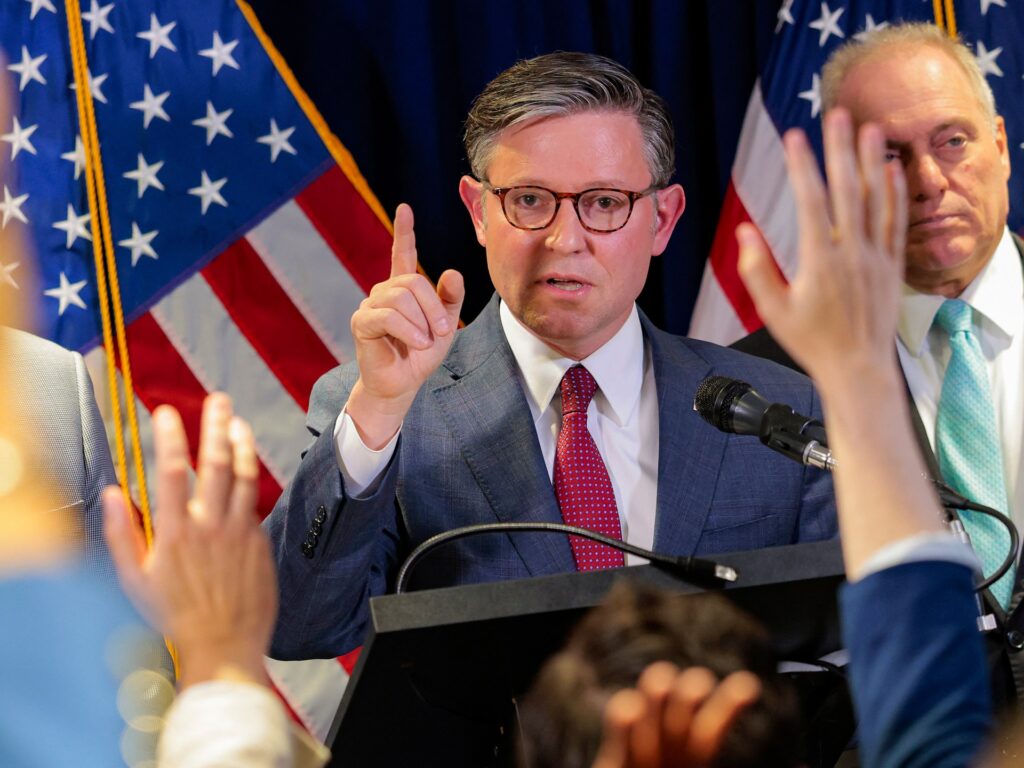
In a significant development regarding the future of artificial intelligence (AI) in the United States, the Speaker of the US House of Representatives has firmly rejected calls for a pause in AI development. This stance comes amid growing global concerns about the rapid advancement of AI technologies and their potential risks.
The Speaker emphasized that halting AI progress could jeopardize the country’s competitive edge, particularly concerning China, which is aggressively advancing its AI capabilities. The warning suggests a strategic imperative to continue AI research and development without interruption to maintain technological leadership.
Former President Donald Trump has also weighed in on the debate, dismissing fears surrounding AI as a ‘hoax.’ He insisted that existing US safeguards are sufficient to manage any potential risks posed by AI. Trump’s comments reflect a broader skepticism among some political leaders regarding the need for strict regulations or moratoriums on AI innovation.
China’s rapid advancements in AI have increasingly been viewed as a challenge to US dominance in the tech sector. The US government and industry leaders recognize that a slowdown in AI development might provide China the opportunity to surpass the US in critical technological fields.
Experts argue that while ethical considerations and safety protocols are essential, an outright pause in AI development could hinder innovation and economic growth. Instead, many advocate for balanced approaches that encourage responsible AI development while addressing risks.
The US administration is now faced with the delicate task of fostering innovation while ensuring the technology is developed safely and ethically. This will likely involve enhanced regulatory frameworks, international cooperation, and investments in AI research and education.
As the global AI landscape evolves rapidly, the debate over how best to manage and regulate AI will continue to intensify. The positions taken by US political leaders underscore the high stakes involved in maintaining leadership in AI technology amidst rising global competition.