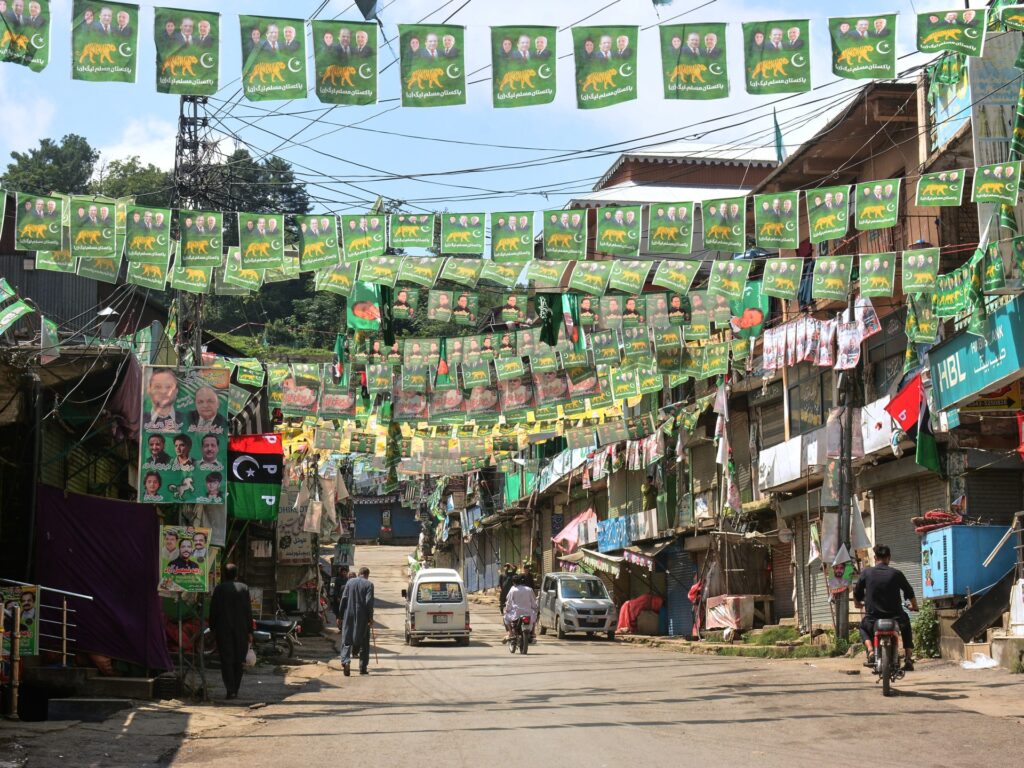
The internet shutdown in Pakistan-administered Kashmir has now stretched beyond 100 days, marking a significant disruption in the region’s communication channels. Since June, mobile data and broadband services have been suspended in response to ongoing protests demanding electoral reforms. The digital blackout has not only hindered residents’ ability to access information and stay connected with the outside world but has also raised serious concerns regarding freedom of expression and human rights.
The protests that ignited this prolonged suspension were fueled by calls for more transparent and democratic electoral processes. Demonstrators voiced frustrations with existing political mechanisms, seeking reforms to ensure fairer elections and greater representation. In response, authorities imposed the restrictions, ostensibly to maintain law and order, but this has resulted in significant limitations on communication.
The shutdown has profoundly impacted daily life in the territory, affecting education, commerce, and social interactions. Students have struggled with accessing online learning resources, while businesses reliant on internet connectivity face operational challenges. Moreover, families have found it difficult to communicate with members living outside the region.
International organizations and human rights advocates have criticized the internet blackout, emphasizing the importance of digital access for transparency and democratic engagement. They argue that prolonged shutdowns undermine civil liberties and exacerbate tensions.
Efforts to restore connectivity remain uncertain, as authorities weigh the political and security implications of reopening the internet. Meanwhile, residents continue to endure the information blackout, highlighting the complex interplay between governance, security, and human rights in conflict-affected areas.
This ongoing digital shutdown in Pakistan-administered Kashmir underscores a broader global concern about the use of internet restrictions as a tool for political control during times of unrest. The situation calls for urgent attention and dialogue to balance security measures with the fundamental rights of citizens to free expression and access to information.