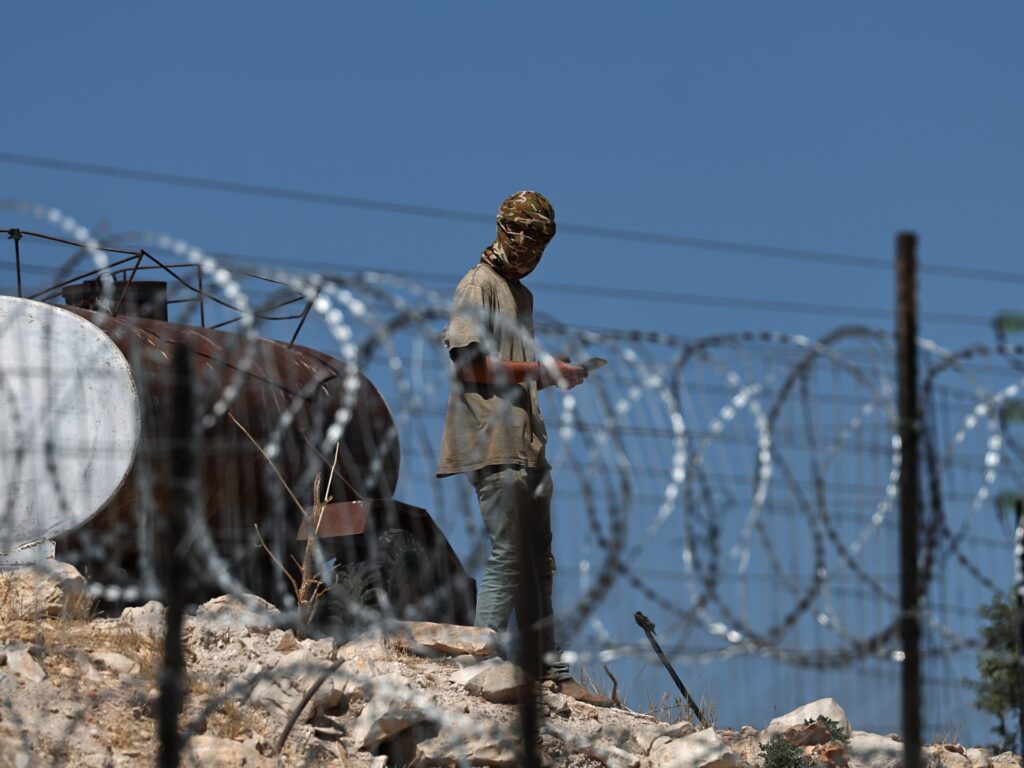
A new report by B’Tselem, a prominent Israeli human rights organization, has intensified the ongoing debate surrounding Israel’s settlements and their impact on Palestinians. The report controversially frames the situation on the ground as part of Israel’s ‘project of elimination’ of Palestinians, a term that has sparked significant discourse internationally.
The report comes at a time when several countries have imposed sanctions targeting Israeli settlements in the occupied territories. These sanctions have led to a diplomatic crisis, with Israel condemning the measures as unjust and politically motivated interference in its sovereign affairs.
B’Tselem’s findings detail patterns of displacement, violence, and systemic discrimination faced by Palestinians living under occupation. The organization argues that these actions are not isolated incidents but part of a broader strategy aimed at erasing Palestinian presence and claims to the land.
International reactions have been mixed. Supporters of the sanctions emphasize the need to hold Israel accountable for policies that violate international law and undermine prospects for peace. Critics argue that the sanctions exacerbate tensions and make dialogue more difficult.
The diplomatic fallout from the sanctions has complicated ongoing peace negotiations, with both Israeli and Palestinian leaderships reassessing their positions in light of increased international scrutiny and pressure.
Human rights advocates stress that any sustainable resolution must address core issues of displacement and inequality to prevent further deterioration of the situation.
The B’Tselem report and subsequent sanctions have thus not only rekindled debate over the future of Israeli settlements but also highlighted the broader geopolitical challenges in achieving a just and lasting peace in the region.
As the crisis unfolds, the international community faces mounting pressure to navigate a complex landscape of legal, humanitarian, and diplomatic concerns to support a framework for coexistence and mutual recognition.