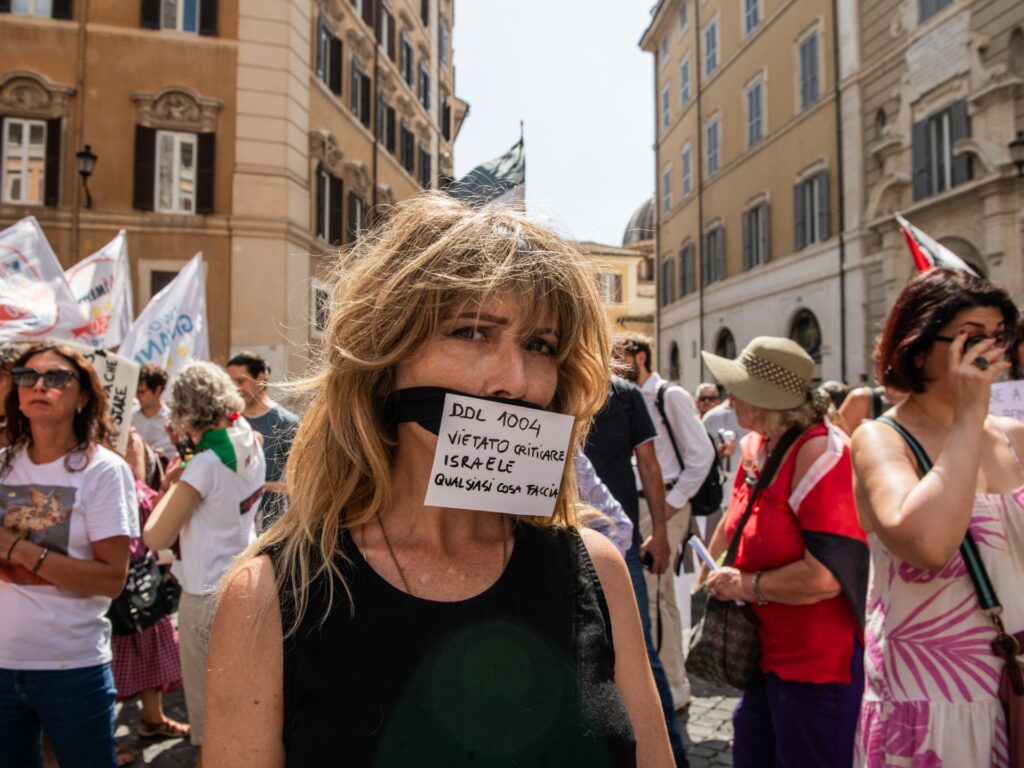
In recent days, significant opposition has emerged in Italy surrounding a proposed anti-Semitism bill that has sparked widespread debate and concern. Protesters in Rome have joined with United Nations Special Rapporteur Francesca Albanese in voicing strong objections to the bill, warning that its implementation could inadvertently suppress legitimate criticism of Israel, thereby impinging upon freedom of expression.
The anti-Semitism bill, introduced by the Italian government, aims to strengthen measures against anti-Semitic acts and rhetoric. This initiative comes amid a rise in anti-Semitic incidents not only in Italy but across Europe, prompting authorities to seek more stringent legal protections for Jewish communities.
However, the proposed law has become controversial due to the language it employs, which opponents argue is overly broad and ambiguous. Critics fear that the bill’s provisions could be misused to target and silence individuals and groups who criticize policies of the Israeli government, conflating political discourse with hate speech. Such an outcome, they caution, threatens to undermine democratic debate and human rights protections.
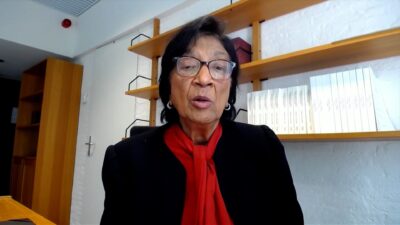
Francesca Albanese, the UN Special Rapporteur on the situation of human rights in the Palestinian territories occupied since 1967, has expressed particular concern over the potential repercussions of the bill. Albanese highlighted that the legislation might stifle criticism specifically related to Israel’s actions and policies in Palestinian territories. This, she argued, would be a dangerous precedent that restricts essential discourse on international issues and conflicts.
The protests in Rome reflect growing public unease with the bill. Demonstrators have gathered to demand a reconsideration of the draft law, calling for clearer definitions and safeguards to ensure that combating anti-Semitism does not come at the cost of suppressing legitimate political expression. The movement includes activists, civil society groups, and legal experts who emphasize the importance of balancing the fight against hate speech with the protection of free speech rights.
The dual concerns presented by Albanese and the protesters echo a broader global conversation about how best to address anti-Semitism without curbing political criticism related to Israel. Many argue that such a balance is critical for maintaining open and respectful international dialogue as well as defending human rights.
Italian lawmakers, meanwhile, face the challenge of refining the legislation to address these concerns. The government has stated its commitment to fighting anti-Semitism while also respecting freedom of expression. Lawmakers must now navigate the delicate task of crafting a law that protects Jewish communities from hate crimes and rhetoric without restricting critical debate on contentious political issues.
If enacted without amendments, the bill could have far-reaching impacts beyond Italy. It might influence how other countries approach similar legislation, potentially setting a precedent for limiting speech that intersects with foreign policy critiques.
As the debate continues, it is clear that Italy stands at a crossroads concerning the intersection of anti-Semitism legislation and free speech. The voices of the protesters and the UN expert amplify the urgent need for lawmakers to consider the broader implications of the bill, ensuring it serves justice while upholding fundamental democratic principles.
Ultimately, this controversy underlines the complex challenge nations face in combating hate and prejudice while safeguarding the core values of free expression and political dialogue in diverse societies. The outcome of Italy’s legislative process will be closely watched by international observers, human rights advocates, and communities affected by anti-Semitism, signaling a crucial moment for policy and public discourse on these intertwined issues.