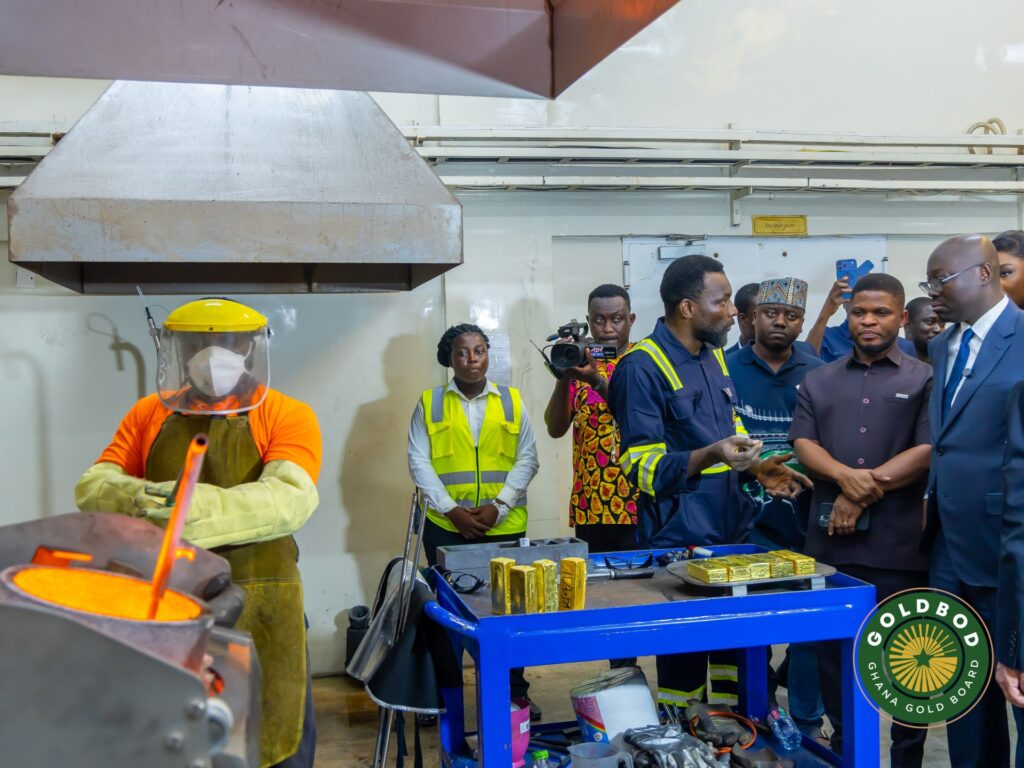
Ghana, one of the leading gold producers in Africa, has recently implemented stricter regulations on gold exports as part of a broader strategic move to retain more value within the country and foster the development of its local gold industry beyond merely exporting raw materials. Historically, Ghana has relied heavily on the export of raw gold, which, while beneficial for immediate revenue, has limited the growth of downstream industries such as refining, jewelry making, and other value-added processes.
The government’s new policies are aimed at encouraging local processing and refining activities, thereby creating more jobs, boosting local enterprises, and increasing the overall contribution of the gold sector to the country’s economy. By tightening gold export controls, Ghana seeks to ensure that more gold undergoes value addition domestically before it leaves the country.
This approach is expected to generate several economic benefits. For one, the development of local refining industries can lead to higher fiscal revenues through taxes and royalties. Additionally, the growth of ancillary industries such as equipment manufacturing, services, and artisanal mining support will be stimulated. Moreover, it aligns with Ghana’s industrialization goals, promoting economic diversification and reducing dependence on raw commodity exports.
Industry stakeholders have expressed cautious optimism about the new regulations. While the tighter export controls present initial challenges, including potential disruptions in supply chains and adjustments for mining companies, many acknowledge the long-term benefits of a more integrated gold industry. The government has also pledged to provide support measures to facilitate this transition, including investment incentives for processing plants and training programs to develop the necessary skills within the local workforce.
Moreover, Ghana’s initiative aligns with a broader trend among resource-rich African nations seeking to move away from a raw material export model to a more value-added industrial economy. This shift is crucial in creating sustainable economic growth and reducing vulnerability to global commodity price fluctuations.
In summary, Ghana’s decision to tighten gold export regulations is a strategic effort to retain more economic value within its borders by fostering domestic gold processing capabilities. This move is expected to promote industrial growth, create jobs, and contribute significantly to the country’s economic resilience and development.