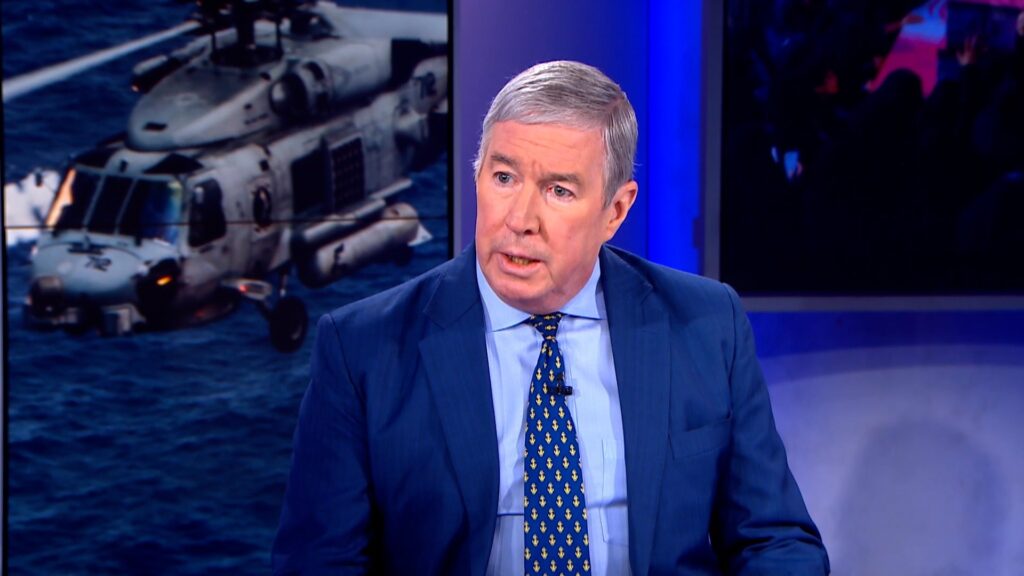
The United States has deployed two aircraft carrier strike groups to the Middle East, marking an unprecedented show of military power in the region. This decision underscores the strategic importance Washington places on its interests in this volatile area but also reflects the strain such deployments place on the Navy’s overall resources.
Historically, the presence of a single carrier strike group in the Middle East has been sufficient to project US naval power and ensure maritime security. However, the current deployment of two such groups simultaneously signals an escalation in the level of commitment and readiness to respond to emerging threats.
Carrier strike groups are among the most powerful assets in the US Navy’s arsenal, each featuring a nuclear-powered aircraft carrier, a complement of fighter jets, helicopters, cruisers, destroyers, and submarines. Their deployment provides the US with air superiority, sea control, and rapid strike capabilities.
The presence of two carrier groups in the Middle East substantially enhances these capabilities but comes with notable costs. These operations require vast logistical support, including fuel, maintenance, and personnel rotation, which puts a tremendous strain on the Navy’s operational flexibility.
Naval experts point out that maintaining two carrier groups in one theater reduces their availability elsewhere in the world. This concentration of assets limits the US Navy’s ability to respond quickly to crises in other regions such as the Indo-Pacific or Eastern Europe, where tensions are escalating.
The dual deployment also impacts the readiness of forces as sailors and airmen face extended periods at sea, increasing fatigue and the risk of equipment wear. The Navy must balance the demands of current commitments with the need to preserve long-term combat effectiveness.
Strategically, the deployment sends a clear message to adversaries, particularly Iran and proxy groups, signaling that the US is prepared to defend its interests robustly. It also reassures regional allies of America’s commitment to stability and security amid rising tensions.
Some analysts caution, however, that reliance on heavy naval assets in a confined and politically sensitive region may invite further provocation and escalate conflicts rather than deter them.
The deployment reflects the broader US military strategy of power projection and deterrence, aiming to maintain freedom of navigation in critical waterways like the Strait of Hormuz, through which a significant portion of the world’s oil supply transits.
As global geopolitical dynamics continue to evolve, the Navy faces the challenge of balancing resource allocation, operational readiness, and strategic responsiveness. Managing multiple carrier strike groups in a high-tempo operational environment tests the limits of personnel endurance and maintenance capabilities.
The US Navy is exploring solutions such as increased use of unmanned systems and distributed maritime operations to mitigate these challenges while maintaining a robust forward presence.
In conclusion, the current deployment of two US carrier strike groups to the Middle East represents an unprecedented concentration of military firepower designed to safeguard American interests and deter potential adversaries. However, it also highlights the considerable challenges involved in sustaining such deployments over time.
The implications of this posture will likely influence US naval strategy and regional security dynamics in the years ahead.