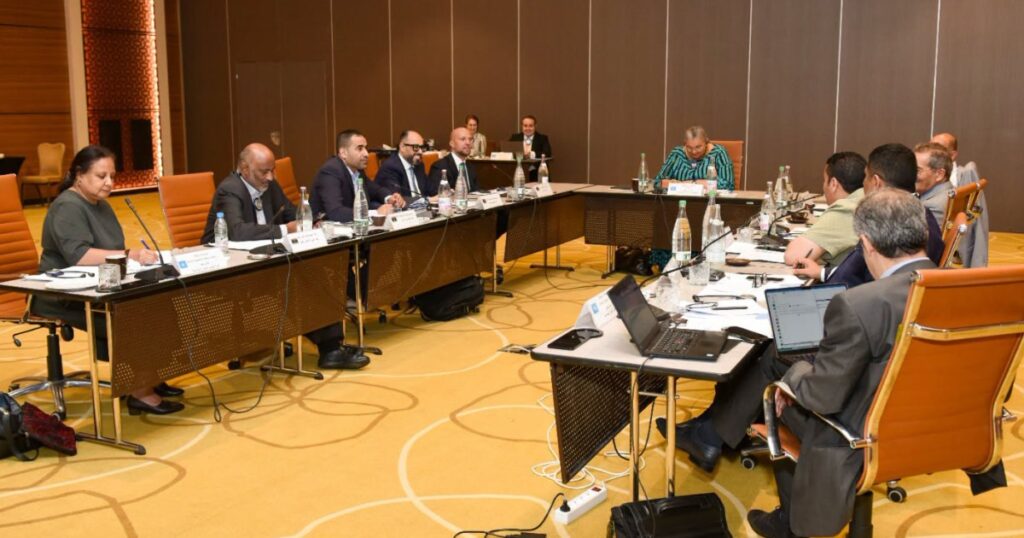
Libyan factions have taken a crucial step towards political compromise by drafting an initial election pact intended to steer the country towards stability. This tentative agreement signals a desire among the prominent groups to hold elections, an effort aimed at resolving years of conflict and fragmented governance. However, the road to peace remains fraught with challenges, as divided institutions and significant legal ambiguities threaten the pact’s successful implementation.
The pact represents a fragile consensus in a nation long plagued by power struggles and civil unrest since the fall of Muammar Gaddafi’s regime in 2011. Various factions, each controlling different territories and militias, have historically opposed centralized governance, creating a fragmented political landscape.
Despite signing the initial agreement, deep mistrust persists among the factions, many of whom question the intentions and commitment of their rivals. This mistrust is grounded in past betrayals, failed agreements, and ongoing power contests that have stymied Libya’s progress.
One of the major hurdles facing the election pact is the division within Libya’s political and security institutions. Competing governments based in Tripoli and Tobruk have led to a bifurcated administrative structure, making unified election planning exceedingly difficult. Each faction exercises control over its own institutions, which complicates cooperation and consensus-building for nationwide elections.
Legal gaps further exacerbate the situation. Libya currently lacks a comprehensive legal framework governing elections, including the structure of electoral commissions, voter registration processes, and dispute resolution mechanisms. These gaps have fueled disagreements on election logistics and have become a focal point in negotiations.
International actors, including the United Nations and regional powers, have been mediating discussions, urging Libyan leaders to implement reforms and uphold the terms of the election pact. The UN Support Mission in Libya (UNSMIL) has emphasized the importance of inclusive dialogue and the establishment of transparent, credible electoral processes.
Civil society groups and the Libyan populace have also voiced concerns about the legitimacy of the election process. Many fear that without genuine reforms and unified institutions, elections could entrench divisions rather than heal them.
Analysts warn that without addressing the underlying mistrust and institutional fragmentation, the election pact risks becoming another short-lived political arrangement. Ensuring inclusive political participation, clarifying legal frameworks, and fostering cooperation between rival factions are essential steps toward sustainable peace.
In summary, while the initial election pact among Libya’s factions is a positive development, significant obstacles remain. Overcoming institutional divisions and legal uncertainties will be crucial to translating this agreement into a credible electoral process that can help stabilize the nation and chart a path towards lasting peace and governance.