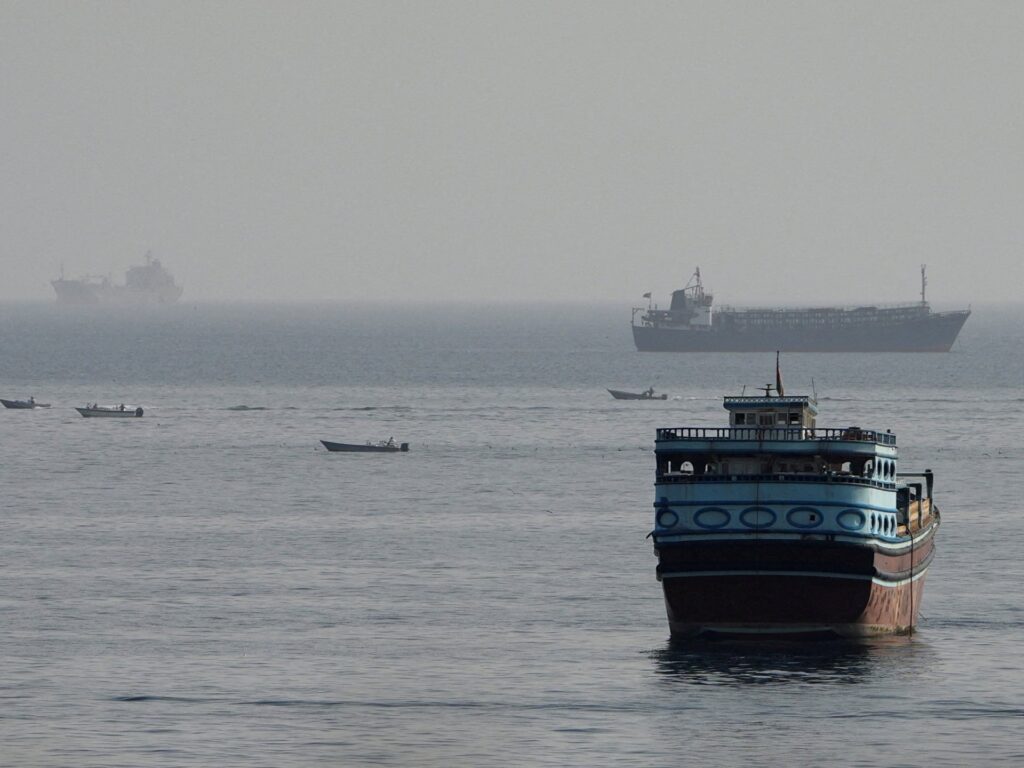
In recent developments in the volatile region of the Arabian Peninsula, Yemen’s Houthi movement has reported an attack on a Saudi vessel, escalating tensions amidst ongoing conflicts in the area. The attack was claimed by the Houthis amid a backdrop of continued hostility and military engagements involving Saudi Arabia and the Yemeni insurgents.
Saudi Arabia’s leading shipping and logistics company, Bahri, confirmed that one of its vessels was indeed struck during the incident. Despite the attack, the company reassured the public and stakeholders that all crew members aboard the ship are safe and unharmed.
This incident underscores the persistent risks faced by maritime operations in the Red Sea and nearby waters, areas that are crucial for international shipping and Saudi economic interests. The strategic Red Sea route is a vital artery for the global supply chain, and hostilities in this region have repeatedly endangered commercial navigation.
The Houthis, formally known as Ansar Allah, have been engaged in a prolonged conflict with the Saudi-led coalition that began in 2015. The group regularly claims responsibility for attacks on Saudi territories and assets as part of their asymmetric warfare strategy. The coalition’s military presence in Yemen aims to restore the internationally recognized government displaced by Houthi forces.
Bahri, which operates a fleet of vessels including oil tankers and cargo ships, plays a significant role in Saudi Arabia’s shipping industry, transporting vast quantities of petroleum and goods. The company’s confirmation of the attack and the safety of the crew highlights the company’s commitment to transparency and the well-being of its personnel.
While details about the nature of the attack, such as the type of weapon used or the extent of the damage to the vessel, have not been fully disclosed, the incident reflects ongoing security challenges in the region. Shipping companies and governments alike remain vigilant and focused on ensuring maritime security against such threats.
International response to the attack has been one of concern, with calls for de-escalation and renewed efforts toward peace talks in Yemen. The global community recognizes the importance of securing international waterways and protecting economic interests while addressing the humanitarian crisis in Yemen.
This latest attack highlights the complexity of the Yemeni conflict and its far-reaching implications for regional stability, maritime commerce, and international relations. Monitoring the situation will be essential as stakeholders strive to prevent further escalations and seek solutions toward lasting peace.