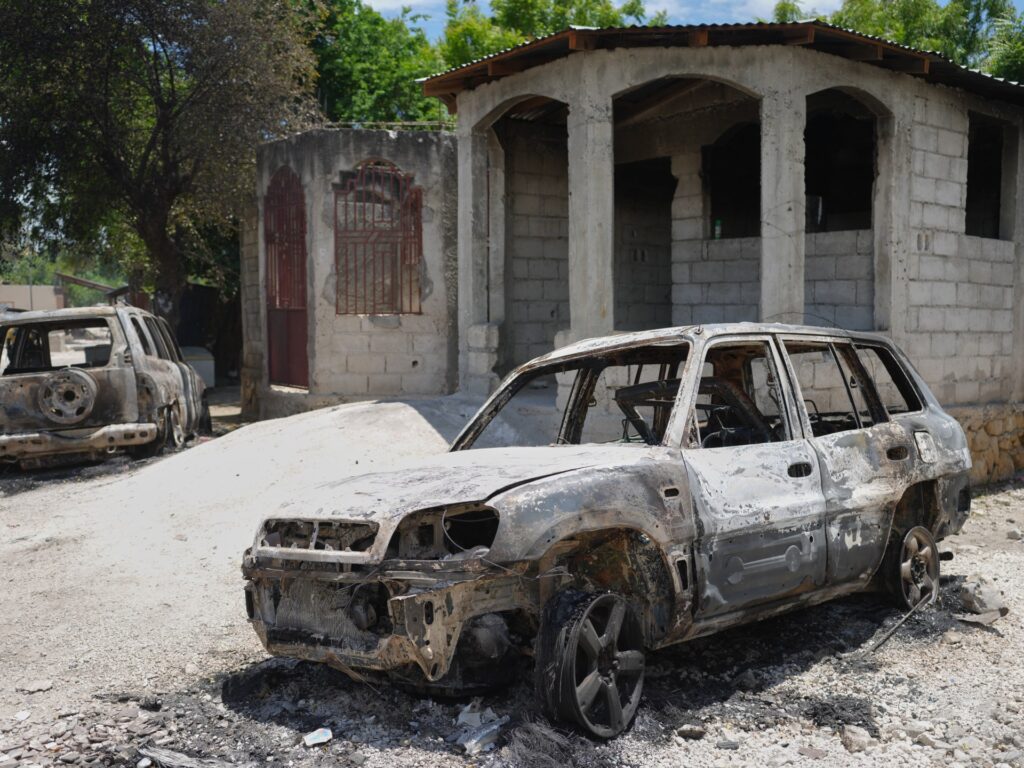
Haiti, an island nation already facing significant challenges, is currently grappling with a surge of violence as gang attacks have resulted in the deaths of at least 30 individuals. This outbreak of violence underscores the grave security issues facing the country as it moves toward holding its first elections in over ten years.
The recent gang attack is one of the deadliest incidents reported, highlighting the severe instability that has plagued Haiti in recent times. These violent episodes have disrupted daily life and heightened fears among residents, complicating efforts to maintain order.
Haiti’s political landscape has been marked by turmoil, with the absence of elections for more than a decade contributing to a leadership vacuum and governance challenges. The government’s attempt to organize elections aims to restore democratic processes and stability, but the rising violence places this goal in jeopardy.
Gangs in Haiti have become increasingly emboldened, exploiting the nation’s weak law enforcement infrastructure. Their activities not only perpetuate violence but also hinder humanitarian aid and economic development.
The international community has expressed concern over the deteriorating situation, calling for enhanced support to secure the country and assist in the electoral process. Efforts to address the root causes of gang violence include strengthening security forces, promoting dialogue, and implementing economic programs to provide alternatives to gang involvement.
Residents of Haiti are living in fear as they witness growing insecurity and uncertainty about the future. The recent killings serve as a grim reminder of the urgent need to restore peace and order to the country.
As Haiti prepares for its landmark elections, the government faces the daunting task of ensuring safety for its citizens and creating conditions conducive to free and fair voting. The outcome of this election is seen as critical to setting the country on a path toward recovery and democratic governance.
This spate of violence highlights the interconnected challenges of political instability, weak governance, and social unrest that Haiti continues to face. Addressing these issues requires a comprehensive approach involving local, national, and international stakeholders.
In conclusion, the recent gang attack that killed 30 people in Haiti is a tragic manifestation of the broader crisis affecting the nation. The international community’s support coupled with robust national measures is essential to overcoming the obstacles to peace and holding successful elections that can bring hope to the people of Haiti.