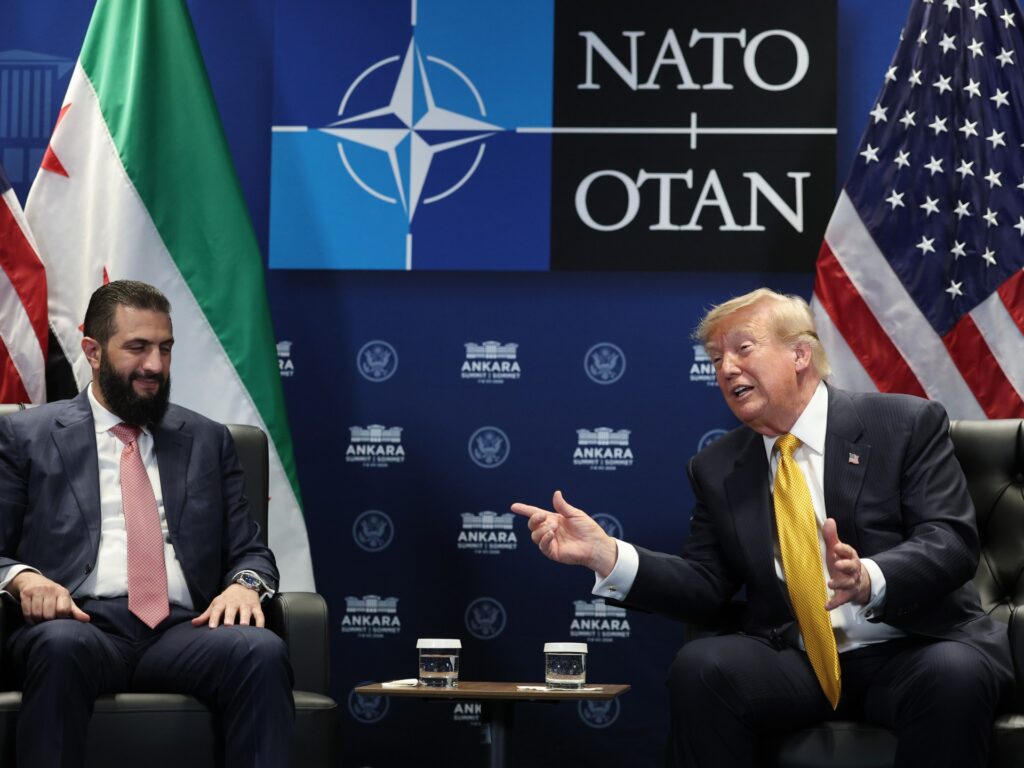
In a significant shift in US foreign policy, the United States government has officially removed Syria from its list of ‘State Sponsors of Terrorism.’ This decision marks a notable change after years of Syria’s inclusion on the list, which had imposed strict sanctions and diplomatic isolation on the country.
The removal comes amid evolving geopolitical dynamics in the Middle East and a reassessment of US strategies regarding Syria. The designation as a state sponsor of terrorism had been a major obstacle to diplomatic engagement and humanitarian aid efforts within Syria.
Alongside this move, the US also rescinded the designation of Hay’at Tahrir al-Sham (HTS) as a terrorist organization. HTS, which was formerly led by President Ahmed al-Sharaa, had been classified under this label, limiting international interaction and complicating potential peace processes in Syrian conflict zones.
The delisting of Syria and HTS is expected to have substantial political and economic implications. It may pave the way for renewed diplomatic negotiations, increased relief efforts for Syrian civilians, and potential easing of sanctions that have deeply affected the country’s economy.
Experts suggest that this policy shift could be aimed at stabilizing the region and promoting conflict resolution through dialogue rather than isolation. However, it also raises concerns among allies and humanitarian groups who fear that lifting these designations might embolden certain factions or undermine efforts to combat terrorism.
The US State Department has emphasized that despite these changes, it remains committed to combating terrorism globally and supporting human rights in Syria. The measures reflect a nuanced approach, balancing efforts to encourage political solutions while maintaining pressure on extremist activities.
This development highlights the complex nature of international diplomacy in conflict zones, where designations such as ‘state sponsor of terrorism’ play a crucial role in shaping the avenues for engagement and assistance.
Looking ahead, the international community will be closely watching the outcomes of this policy change. Continued monitoring and coordinated diplomatic efforts will be essential to ensure that this shift contributes positively to peace and stability in Syria and the broader Middle East region.