In the ongoing conflict between Russia and Ukraine, recent developments have indicated a harsher stance by Russia regarding the protection and maintenance of its critical infrastructure. Russia has announced that it may seize control of privately or locally owned infrastructure facilities if their owners fail to adequately protect or promptly repair damage caused by drone attacks attributed to Ukraine.
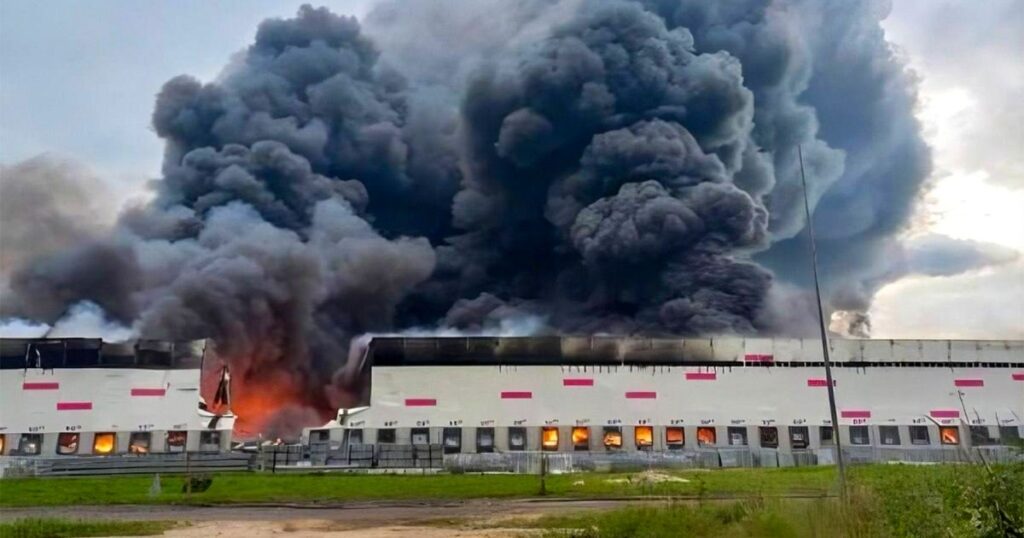
The directive comes amid a surge in drone attacks targeting Russian infrastructure, which has exposed vulnerabilities in the security and resilience of various facilities. These attacks reportedly have caused disruptions and damage to energy plants, transportation hubs, communication networks, and other critical systems.
Russian authorities have expressed frustration with owners and operators who have been slow to respond to damage, citing concerns over national security and economic stability. They warn that facilities deemed “poorly protected” or whose repairs are delayed will be subject to regulatory intervention, including potential seizure and transfer of control to state agencies or entities better equipped to manage and safeguard these assets.
Industry experts highlight that the move underscores the intensified pressures faced in the conflict, where infrastructure plays a crucial role in supporting military operations and civilian life. The decision also reflects Moscow’s intent to centralize control during wartime, aiming to mitigate further disruptions and vulnerabilities.
Critics argue that seizing privately owned infrastructure could lead to further operational inefficiencies and exacerbate economic difficulties. They caution that such measures could discourage investment and maintenance efforts in what is already a challenging environment.
Meanwhile, Ukraine continues its campaign of drone attacks to weaken Russian logistical and operational capabilities. The effectiveness and frequency of these attacks have pressured Russia to rethink its defensive and infrastructural strategies.
In response to Russia’s announcements, several infrastructure owners are reportedly accelerating repair and fortification efforts to avoid losing control of their assets. The situation remains fluid as both sides adapt their strategies in this ongoing conflict.
The broader implications of these developments suggest a deepening entrenchment in the conflict, with infrastructure security becoming a critical battlefield in its own right. Observers note that safeguarding such assets is essential not only to military efforts but also to maintaining normalcy for civilians amidst war.
As the situation evolves, the international community watches closely. There are concerns about the humanitarian and economic impacts of infrastructure disruptions and the potential for escalation if control measures lead to heightened tensions within Russia itself.
In summary, Russia’s move to seize poorly protected infrastructure highlights the escalating measures taken during the war in Ukraine, reflecting the high stakes and strategic importance of controlling key facilities in contested regions.