The Democratic Republic of Congo (DRC) is currently embroiled in a significant constitutional battle centered around the upcoming 2028 presidential election. At the heart of this political struggle is President Félix Tshisekedi’s push for reforms, which has ignited a contentious debate over the rules governing the next election and the succession process.
President Tshisekedi, who assumed office in 2019, has been advocating for changes that would reshape the political landscape of the DRC ahead of the 2028 vote. His reform agenda has been met with both support and fierce resistance from various political factions within the country.
One of the critical issues in this battle is the question of presidential term limits and electoral regulations. Some of Tshisekedi’s proposed reforms aim to clarify or adjust these rules, potentially impacting who can stand for office and how the electoral process is conducted.
Opponents argue that these reforms may be designed to consolidate power or influence the outcome of the 2028 election, thereby undermining democratic principles. Supporters, on the other hand, believe that reform is necessary to modernize the political system, enhance governance, and ensure stability.
The dispute over the 2028 succession is not just about legal changes but also reflects deeper anxieties among the country’s political elite and the broader population. As the DRC has experienced a history of contested elections and political uncertainty, the looming 2028 vote carries significant weight for the nation’s future.
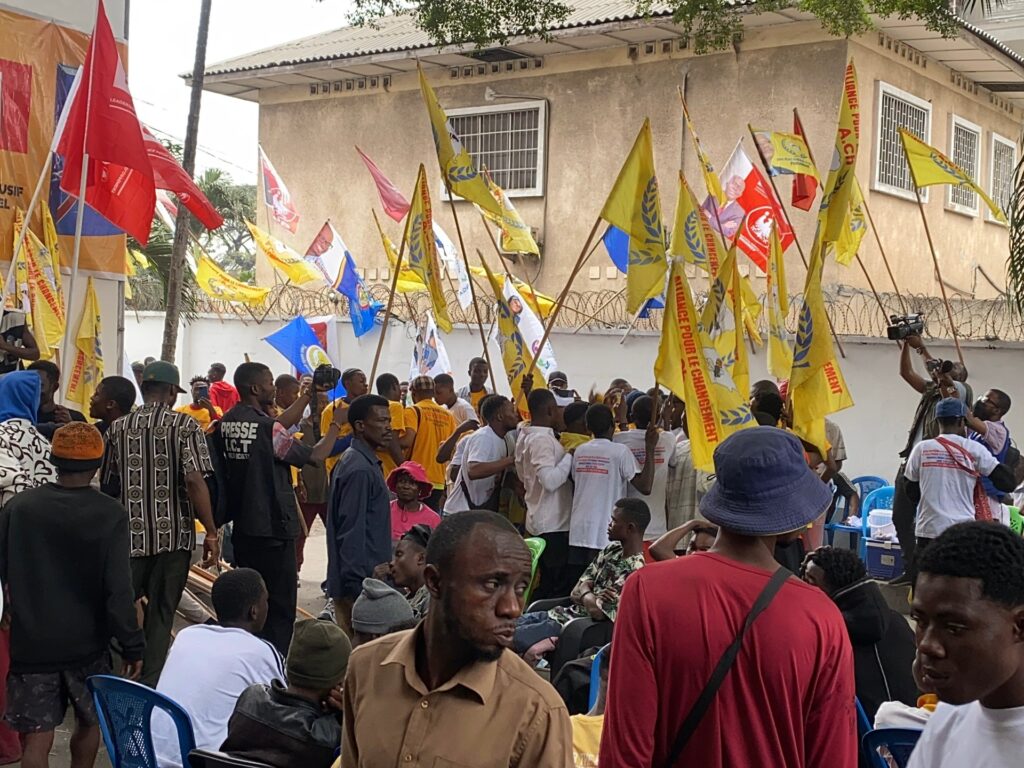
The constitutional battle has prompted intense debates in political circles, civil society, and among international observers who are closely monitoring developments. Transparency and fairness in the reform process are being called into question, with fears that the changes could be manipulated to favor specific candidates or groups.
Furthermore, the timing of the reforms has raised concerns. Implementing constitutional changes too close to the election can destabilize the electoral environment, leading to confusion and mistrust among voters.
President Tshisekedi’s administration insists that their reform efforts are aimed at reinforcing democracy and improving the electoral system. However, skepticism remains high, and political tensions continue to simmer.
The international community has urged all parties in the DRC to engage in dialogue and ensure that any changes to the constitution are made transparently and inclusively. The goal is to prevent political conflict and promote a credible and peaceful election in 2028.
As the DRC navigates this constitutional battle, the outcomes will have profound implications not only for its political leadership but also for its democratic trajectory and stability across the Central African region.