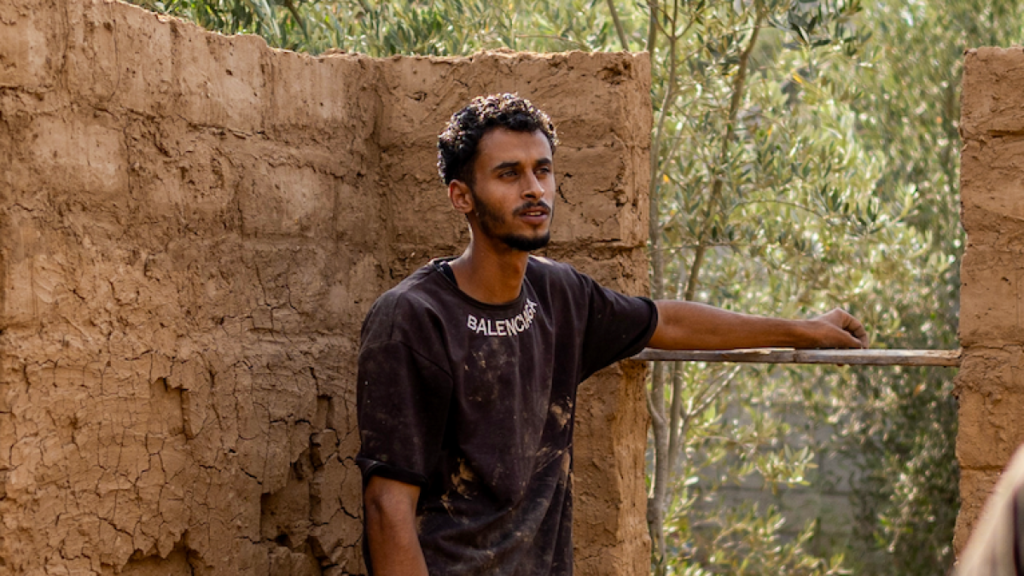
In a heartwarming yet poignant response to the ongoing displacement crisis, a Palestinian individual has taken the initiative to construct a traditional mud-brick shelter as an alternative to the commonly provided tents, which offer little relief amid harsh conditions.
As conflict and instability continue to uproot families in Palestinian territories, humanitarian agencies typically provide tents to displaced persons. However, many of these tents fail to withstand severe weather conditions, leaving families vulnerable. In this challenging environment, one displaced Palestinian has turned to ancestral building methods, erecting a sturdy mud shelter that reflects both resilience and cultural heritage.
The mud-brick house, crafted from local earth, represents more than just a refuge; it symbolizes a connection to the land and traditional ways of living that have sustained communities for generations. This approach provides insulation against extreme temperatures and offers a more durable and secure shelter solution compared to flimsy tents.
This innovative act underscores the pressing need for better humanitarian aid strategies that incorporate culturally appropriate and sustainable housing solutions. The community response to this shelter has been positive, inspiring others to consider similar traditional construction techniques as a means of coping with displacement.
Experts in humanitarian aid and architecture emphasize the importance of integrating local knowledge and materials into relief efforts. They advocate for supporting displaced populations to rebuild using familiar, accessible resources, which not only restores dignity but also fosters a sense of stability and hope amidst turmoil.
The mud-brick shelter is a testament to human ingenuity and the enduring connection between people and their environment. As winter approaches and living conditions worsen, such examples may encourage aid organizations to rethink traditional relief methods and prioritize more sustainable, resilient options.
Ultimately, this story of a displaced Palestinian crafting a mud home shines a light on the broader challenges faced by displaced communities worldwide. It calls for a compassionate, innovative approach to humanitarian aid that respects cultural traditions while addressing immediate needs, ensuring that displaced individuals receive shelter that is both protective and empowering.