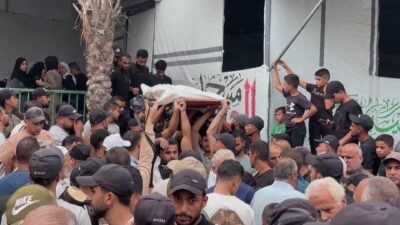
In a tragic event off the southeastern coast of Tunisia, a migrant boat carrying 15 Tunisians sank while attempting to reach Italy, resulting in the deaths of eight individuals. This devastating incident has ignited widespread protests across Tunisia, shedding light on the perilous journeys undertaken by migrants and the broader socio-economic issues driving migration.
The boat, reportedly overcrowded and ill-equipped for the perilous Mediterranean crossing, capsized shortly after departure. Survivors recount harrowing moments as they struggled against overwhelming waves and lacked sufficient safety measures. Rescue operations were swiftly launched by Tunisian maritime authorities, but efforts could only save seven migrants, with the remainder tragically lost at sea.
The sinking has amplified national grief and anger, prompting immediate public demonstrations. Protesters expressed outrage over the ongoing dangers faced by migrants, demanding stronger governmental action to prevent future tragedies. Many called for enhanced search and rescue capabilities and better regulation of migration routes to safeguard lives.
These protests also underscore deep-rooted frustrations regarding economic hardships and limited opportunities in Tunisia, factors often compelling citizens to undertake dangerous migrations. Unemployment, poverty, and political instability contribute to the desperation felt by many young Tunisians.
Local officials have condemned the incident, pledging to intensify efforts to combat illegal smuggling networks and improve migrant welfare. Authorities are cooperating with international partners to bolster maritime surveillance and ensure prompt responses to at-risk vessels.
Human rights organizations have urged comprehensive strategies addressing root causes of migration, including development aid, education, and job creation programs. They stress that while preventing perilous crossings is critical, addressing systemic inequalities in Tunisia remains essential.
The Mediterranean migration crisis continues to claim numerous lives each year, with Tunisians among many risking their futures in search of safety and prosperity abroad. This latest tragedy serves as a grim reminder of the urgent need for coordinated regional responses to protect vulnerable populations.
Families of the victims have called for transparent investigations into the sinking and accountability for those responsible. Memorials held nationwide honor those lost and call for solidarity with migrant communities.
In conclusion, the sinking of the migrant boat off Tunisia’s coast highlights the intersecting challenges of migration, economic struggle, and national security. The resulting protests reflect public demand for governmental responsibility and humanitarian responses to these ongoing crises. Moving forward, comprehensive policies engaging all stakeholders will be critical to preventing future losses and fostering hope for Tunisia’s displaced and aspiring citizens.