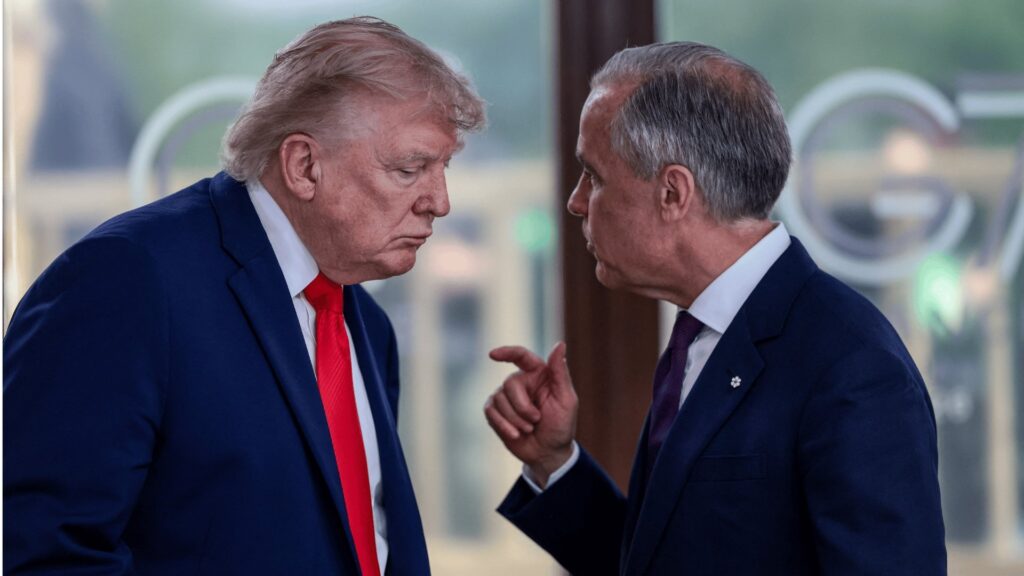
Canada has announced plans to impose retaliatory tariffs on imports from the United States, marking an escalation in the ongoing trade tensions between the two neighboring countries. The decision was publicly communicated by Mark Carney, highlighting that the tariffs will come into effect starting September 8.
The tariffs will target a range of US products, including steel and electronics, among others. This move is a direct response to tariffs previously imposed by the US on Canadian goods, as part of the broader trade conflict that has affected various sectors of the economy.
Canadian officials have expressed the need to protect their domestic industries and to respond firmly to what they view as unfair trade practices by the US government. The imposed tariffs aim to offset the impact of US duties and to provide a level playing field for Canadian producers.
The announcement has triggered concerns over the potential for further escalation in trade restrictions, which could harm economic growth and disrupt supply chains across North America. Businesses relying on cross-border trade are bracing for changes in costs and market dynamics.
Economic experts warn that escalating tariffs could lead to a prolonged trade war, negatively impacting both economies and possibly leading to higher prices for consumers in both countries. They urge both governments to engage in negotiations to resolve the issues amicably.
The Canadian government has stated that it remains open to dialogue and hopes for a resolution that benefits both nations, emphasizing the importance of the longstanding economic relationship between Canada and the US.
As the tariff implementation approaches, industries and policymakers are closely monitoring developments, preparing for the possible repercussions on trade flows and economic stability.
This latest round of tariffs is part of a broader pattern of trade disputes that have emerged worldwide, reflecting increasing protectionist trends and challenges to the international trade system.
Observers note that while tariffs are intended as leverage in trade negotiations, they often result in unintended consequences, including supply chain disruptions and retaliatory measures from affected countries.
The situation remains fluid, with potential for further announcements from both sides as efforts continue to navigate the complexities of international trade relations.