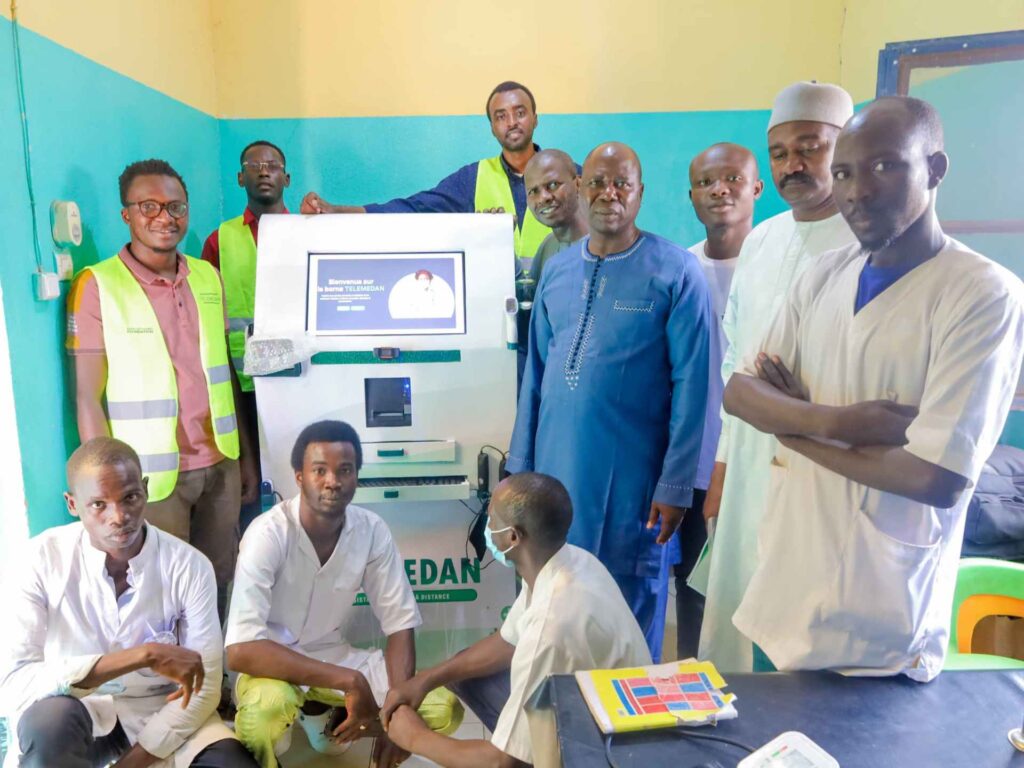
In the remote and often inaccessible regions of rural Chad, healthcare access has long been a significant challenge. The vast distances between villages and medical centers, combined with limited infrastructure and a shortage of doctors, have made it difficult for many residents to receive timely medical care. However, a new initiative harnessing solar-powered telemedicine kiosks is transforming this landscape, bringing vital healthcare services closer to those in need.
These solar kiosks are strategically placed in rural communities across Chad, equipped with solar panels that provide reliable electricity in areas where power supply is scarce or nonexistent. The kiosks serve as a hub for telemedicine consultations, allowing patients to connect with healthcare professionals remotely through digital platforms.
One of the key advantages of these solar kiosks is their ability to overcome the barriers of distance and transportation. Previously, villagers often had to travel long hours to reach the nearest clinic or hospital, a journey that could be both costly and physically taxing. With telemedicine kiosks, consultations can now happen locally, drastically reducing travel time and expenses.
The kiosks also integrate basic diagnostic tools and equipment, enabling healthcare workers on-site to conduct preliminary examinations. This setup facilitates quicker diagnosis and treatment plans, improving patient outcomes. Additionally, the solar energy system ensures that the kiosks remain operational even in the absence of a conventional power grid, boosting reliability and sustainability.
Moreover, this solar-powered telemedicine approach is endorsed by government agencies and health organizations, highlighting its potential to alleviate the burden on overcrowded urban hospitals by decentralizing healthcare delivery. By empowering local health workers with technology and connectivity, these kiosks not only improve immediate healthcare access but also enhance health education and disease prevention efforts in rural communities.
The social impact is profound, as community members report increased confidence in seeking medical help early, which can be critical in preventing complications. Furthermore, the initiative aligns with global efforts to use renewable energy solutions to drive social development, showcasing how solar power can be a catalyst for positive change beyond just electricity supply.
While challenges remain, such as the need for ongoing maintenance and expansion of digital infrastructure, the success of solar-powered telemedicine kiosks in Chad provides a promising model for other regions facing similar healthcare access issues. It represents a significant step towards bridging the healthcare divide and ensuring equitable medical services for all, regardless of location.