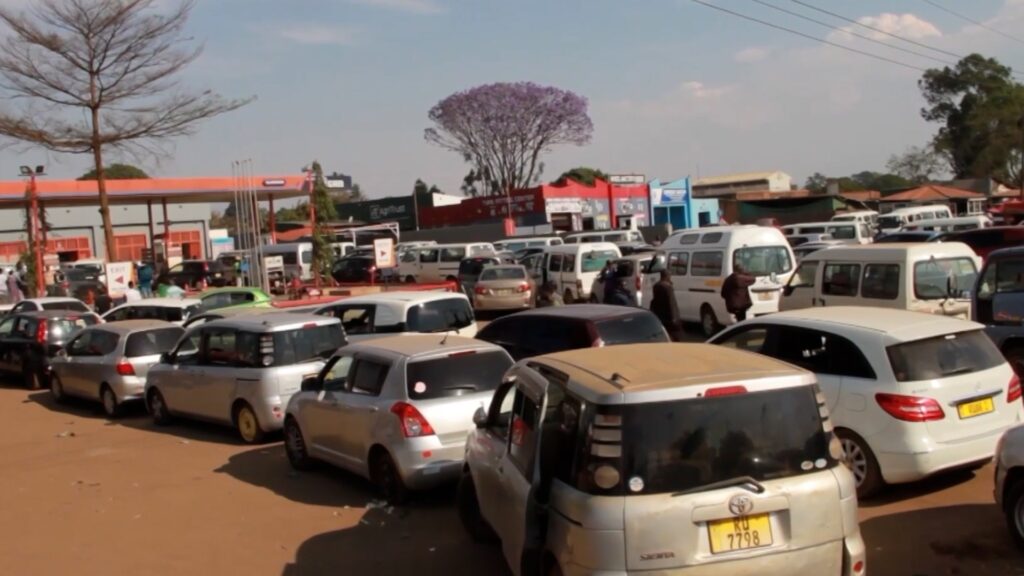
Malawi is currently facing a severe fuel shortage that has disrupted daily life, particularly in the capital city, Lilongwe. Motorists have been forced to queue for days in an attempt to fill their tanks, highlighting the depth of the crisis.
The shortage has led to long lines at petrol stations, with many people waiting up to 48 hours or more. This situation has caused frustration and anxiety among residents who depend heavily on motor transport for their daily activities.
The root of the shortage stems from multiple factors, including delays in fuel imports due to foreign exchange constraints and logistical challenges. Malawi, like many developing countries, relies heavily on fuel imports, and any disruption in supply can have immediate and far-reaching impacts.
Businesses have been hit hard as transportation costs soar and delivery schedules become unpredictable. Public transport operators have also raised fares, which has affected the affordability and accessibility of travel for ordinary citizens.
Government officials have acknowledged the issue, promising to take immediate steps to alleviate the crisis. However, the resolution may take some time as fuel supply chains need to be stabilized and financial resources secured.
The fuel scarcity is also affecting essential services, including healthcare and emergency services, raising concerns about a potential humanitarian impact if the shortage persists.
Residents of Lilongwe and surrounding areas are advised to conserve fuel where possible and seek alternative means of transportation.
This crisis serves as a stark reminder of the vulnerabilities in the country’s energy supply and the need for strategic planning to ensure energy security in the future. Authorities are urged to explore alternative energy sources and improve supply chain resilience to prevent such occurrences in the future.
As the fuel shortage continues, the everyday lives of Malawians are being significantly affected, underscoring the urgent need for effective responses from both the government and fuel suppliers.