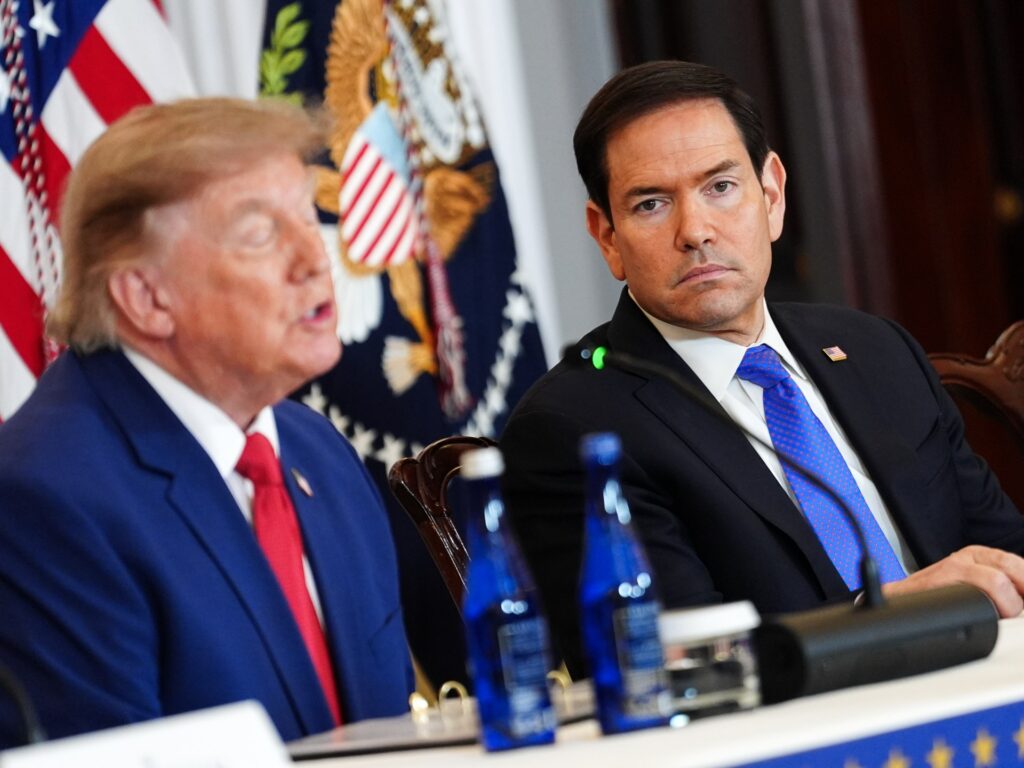
A significant legal development has occurred as a federal judge in Manhattan has struck down the Trump administration’s immigrant visa ban, which affected citizens from 75 countries. The judge ruled against the State Department’s suspension of immigrant visas, which had been a controversial policy since its introduction.
The immigrant visa ban was part of a broader set of executive actions aimed at curbing immigration and tightening border security. This specific ban targeted individuals from 75 countries, many of which are predominantly Muslim or developing nations, and effectively suspended their eligibility for immigrant visas.
This ruling is seen as a major setback for the Trump administration’s immigration policy and signals a judicial check on executive actions related to immigration.
The federal judge’s decision emphasized that the State Department’s suspension lacked sufficient legal justification and did not comply with established immigration laws and regulations. The ruling underscored concerns about the ban’s impact on families, lawful immigrants, and the principle of non-discrimination in visa policies.
Immigrant visa bans are highly contentious because they affect not only national security considerations but also humanity, family unification, and economic contributions from immigrants.
Since the ban’s implementation, there have been numerous legal challenges and public protests arguing that the suspension was discriminatory and harmful to affected individuals seeking to lawfully immigrate to the United States.
The State Department, in response to the ruling, may either seek to appeal the decision or reconsider its policy to comply with the court’s directives.
This ruling is expected to allow many individuals from the previously banned countries to resume the visa application process, potentially reuniting families and opening opportunities.
The judge’s decision aligns with broader debates within the US legal and political systems about balancing national security concerns with the rights and freedoms of immigrants.
Advocates for immigrant rights have welcomed the ruling, stating that it restores fairness and adherence to legal standards in immigration policy.
However, the Trump administration and its supporters argue that such bans are necessary to protect the homeland from potential threats and maintain national security.
This case highlights the complex interplay between executive authority, the judiciary, and immigration laws.
Legal experts suggest that the ruling could set a precedent for future cases involving immigration bans or restrictions, possibly curbing expansive executive actions in this domain.
In the meantime, individuals and families from the impacted countries remain hopeful that this legal victory will translate into tangible opportunities for migration and family reunification.
The ruling contributes to ongoing discussions about immigration reform in the United States and the direction of its immigration policies under different administrations.
Ultimately, this decision demonstrates the crucial role of the judiciary in interpreting immigration laws and ensuring that government actions adhere to constitutional and legal standards.