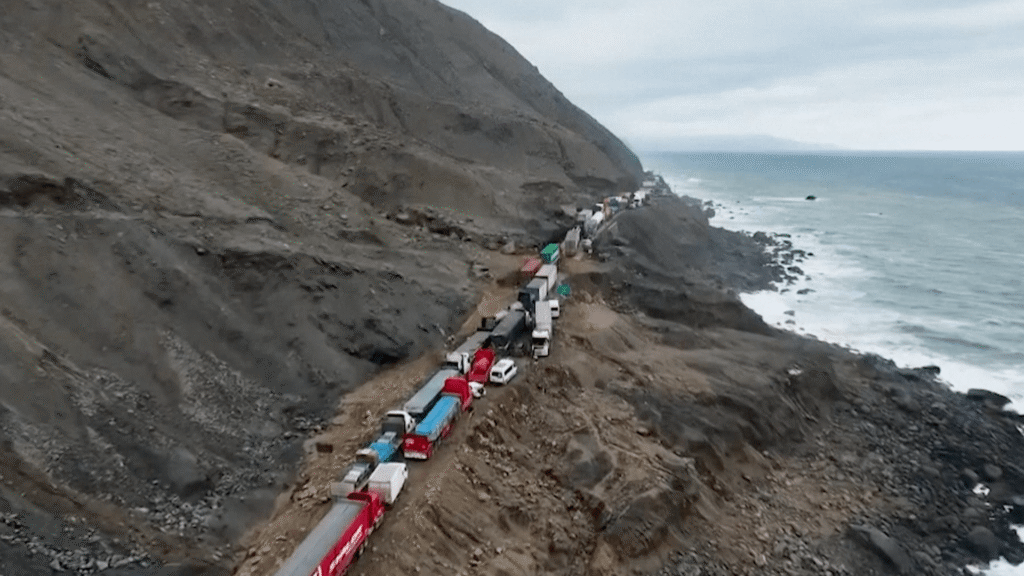
Peru has successfully conducted rescue operations to free people who were trapped for nearly a week due to severe landslides on a major highway. These landslides caused significant blockages, isolating residents and travelers and disrupting transportation and supply routes.
The highway, a crucial artery for both local and commercial traffic, was buried under debris from relentless rains and unstable soil conditions. This natural disaster not only cut off access but also posed a serious threat to the safety and wellbeing of those stranded.
Rescue teams comprising local authorities, emergency responders, and military personnel have been working tirelessly since the landslides occurred. Efforts included clearing debris, providing emergency supplies, and evacuating those trapped in vehicles and homes.
Authorities reported that the operation was challenging due to continued rainfall and the risk of further landslides, which hampered access and prolonged rescue efforts. Despite these difficulties, the rescue teams employed advanced equipment and coordinated logistics to reach the trapped individuals.
Several dozen people were reported trapped initially, including families and commuters heading to various destinations. Thanks to the persistent work of rescuers, most have been safely evacuated and received medical attention for injuries and exhaustion.
Local governments and disaster relief agencies have mobilized resources to assist with recovery and rebuilding efforts. They are also investigating the causes behind the heightened landslide activity, which is believed to be linked to heavy seasonal rains intensified by climate change.
Meanwhile, authorities are reinforcing early warning systems and infrastructure to mitigate future risks, aiming to prevent similar incidents from causing such extensive harm.
Community leaders have praised the dedication and bravery of the rescue teams and emphasized the importance of preparedness and community resilience against natural disasters.
Overall, Peru’s response highlights the critical need for disaster management and infrastructure development to protect vulnerable areas from the increasing impacts of extreme weather events.