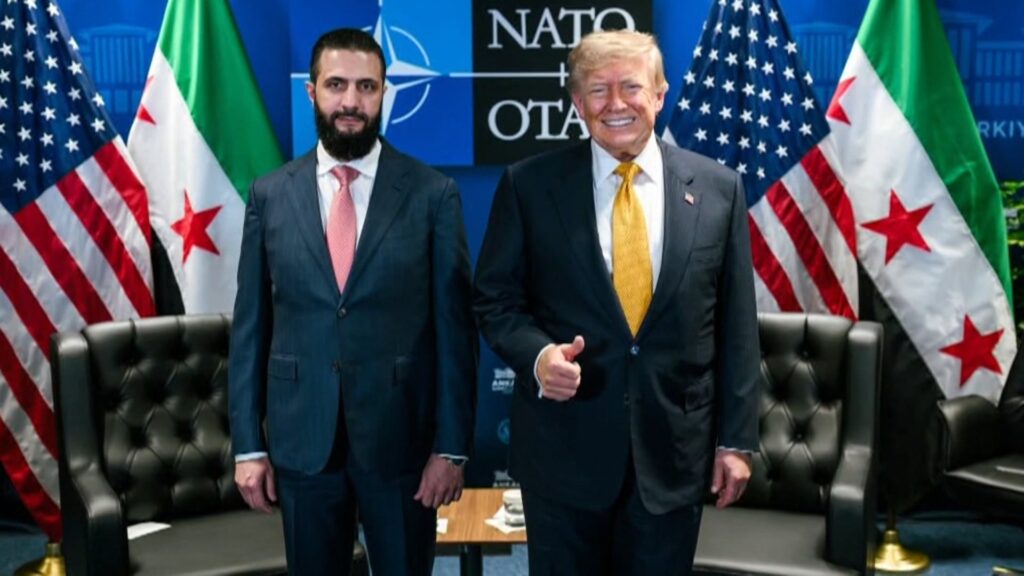
In a surprising development in international diplomacy, a former US State Department advisor on Syria has described the improving relationship between the United States and Syria as ‘surreal.’ This characterization came during an interview on Al Jazeera’s program ‘This is America,’ where the advisor provided insights into the recent shifts in US foreign policy toward Syria.
For years, the relationship between the US and Syria has been marked by tension, conflict, and a series of sanctions and diplomatic standoffs, largely due to the ongoing Syrian civil war, human rights concerns, and geopolitical interests. However, recent comments from US officials and subtle policy changes suggest that Washington may be recalibrating its approach towards Damascus.
The former advisor highlighted that the change appears unexpected given the historically adversarial stance that the US has maintained for over a decade. “It’s almost surreal to observe this shift,” the advisor remarked, pointing to recent dialogues and diplomatic exchanges that seem to signal a thawing of relations.
Several factors could be influencing this shift. These include the evolving dynamics in the Middle East, a desire to counterbalance other regional powers such as Iran and Russia, and a possible reassessment of US interests in the area following years of military and political engagement.
Moreover, the former official noted that this improved relationship might open doors for cooperative efforts on issues such as counterterrorism, refugee assistance, and regional stability. Still, he cautioned that the situation remains complex, with significant challenges ahead.
Critics of the policy shift argue that improving relations with the Assad regime could undermine efforts to promote democracy and human rights in Syria. Supporters, however, see pragmatic value in engaging with Damascus to address urgent security concerns and humanitarian needs.
The US government has not officially declared a full normalization of relations with Syria, but the current trajectory indicates a nuanced approach that balances strategic interests with moral considerations.
This evolving dynamic underscores the complexities of international diplomacy, especially in regions fraught with longstanding conflicts and competing interests. Observers now watch closely to see how this surrogate relationship might shape future US policy and the broader geopolitical landscape in the Middle East.
In summary, the former advisor’s description of the US-Syria relationship shift as ‘surreal’ captures the unexpected and intricate nature of this diplomatic pivot, highlighting the challenges and opportunities that lie ahead for both nations and their allies in the region.