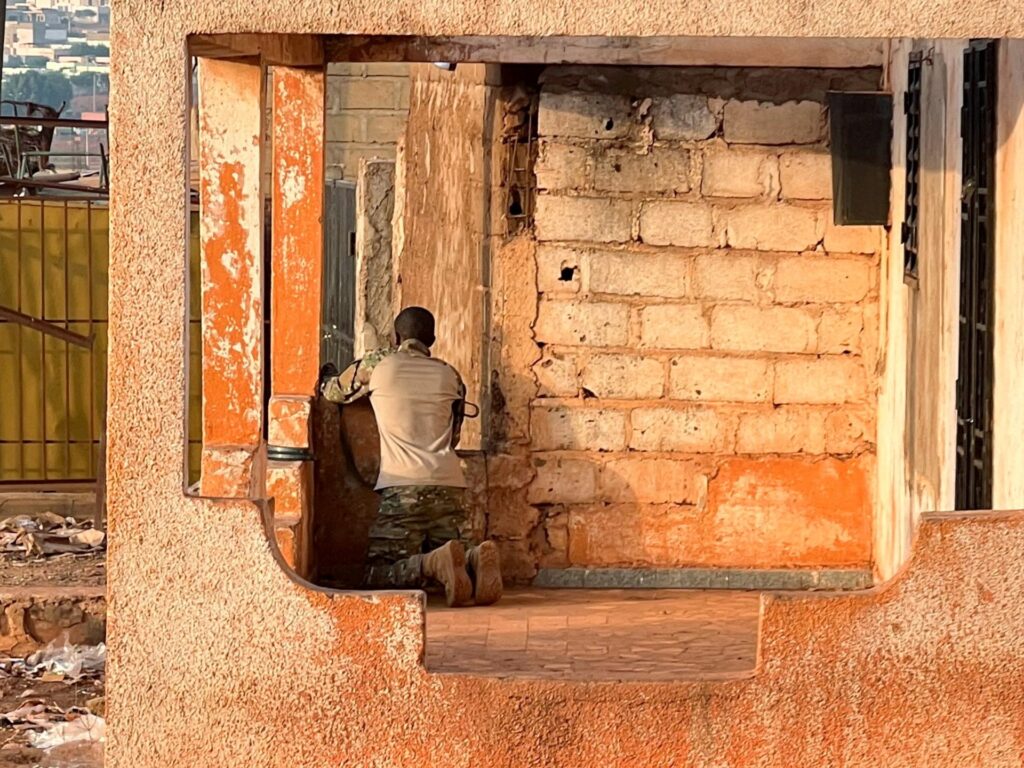
In a significant development, Mali’s military authorities have announced the release of 82 soldiers who were previously held captive by armed groups in the northern region of the country. These soldiers had been detained by a coalition of Tuareg militants and al-Qaeda-linked armed factions, who have been active in the area for years, complicating the region’s security landscape.
The released soldiers were reportedly captured during various clashes and incidents involving government forces and insurgent groups. The military’s announcement marks a positive turn in the ongoing conflict that has plagued northern Mali, a region often marked by instability and violence.
The Tuareg militants, a nomadic group known for their periodic rebellions and insurgencies in the Sahel, have historically sought greater autonomy or independence. These groups have often allied themselves with jihadist organizations like Al-Qaeda in the Islamic Maghreb (AQIM), complicating counterterrorism efforts.
The Malian army’s statement highlighted that the release of the soldiers was a result of sustained military operations and negotiations, though details about the exact process remain sparse. This episode underscores the persistent challenges Mali faces in securing its northern territories from various armed factions.
Northern Mali has been a hotspot for armed activity since 2012, when a Tuareg rebellion coupled with jihadist offensives led to a breakdown of government control in the area. Despite regional and international efforts, including French military operations and UN peacekeeping missions, armed groups continue to conduct attacks and kidnap hostages.
The release of the 82 soldiers provides a temporary boost to the morale of Malian forces and government officials, who are keen on restoring peace and stability. It also shines a light on the human cost of the conflict, emphasizing the plight of soldiers and civilians caught in the crossfire.
While this development is encouraging, experts caution that the underlying issues driving the insurgency remain unresolved. These include political marginalization, economic deprivation, and intercommunal tensions that fuel recruitment into armed groups.
The international community is expected to continue supporting Mali’s efforts to combat terrorism, promote reconciliation, and rebuild governance structures. However, sustainable peace will require addressing the root causes of militancy and fostering inclusive dialogue.
This event is a reminder of the complex security dynamics in the Sahel region and the ongoing struggle between state forces and various insurgent factions. The freed soldiers’ return is celebrated as a victory but also serves as a call to action to intensify efforts for lasting peace in Mali and beyond.