As Nigeria gears up for the 2027 presidential election, the 2022 Osun state gubernatorial election is drawing significant attention from political analysts, stakeholders, and the electorate. The Osun election is widely viewed as a critical bellwether that could offer early insights into the shifting alliances, voter sentiments, and political dynamics that will shape Nigeria’s broader electoral landscape in 2027.
Osun state’s elections have historically held considerable political significance due to their demographic diversity and strategic location in southwestern Nigeria, a region known for its political influence. The election outcomes here often reflect broader trends that resonate across other key states, making the contest a microcosm of Nigeria’s national politics.
One key reason Osun’s election matters is its potential to reveal shifting political alliances. Nigeria’s political parties are known for dynamic coalition-building, and the Osun vote could indicate emerging partnerships or fractures within major parties. For instance, if a previously dominant party suffers losses or if lesser-known parties gain ground, it would signal significant changes in party strength and voter alignment.
Voter sentiment in Osun is also seen as indicative of national mood swings. The state’s electorate comprises a mix of urban and rural voters, youth, and seasoned politicians, posing a unique contest arena where issues such as economic challenges, social policies, security concerns, and governance effectiveness come to the fore. The concerns driving Osun voters’ choices could mirror what will galvanize voters nationwide in 2027.
Additionally, Osun’s election could impact the strategies of presidential candidates with ambitions for 2027. Political aspirants will closely watch Osun’s results to gauge the viability of their platforms and messaging. Success in Osun may embolden candidates to emphasize certain policy priorities or outreach tactics that resonate well with diverse voter bases.
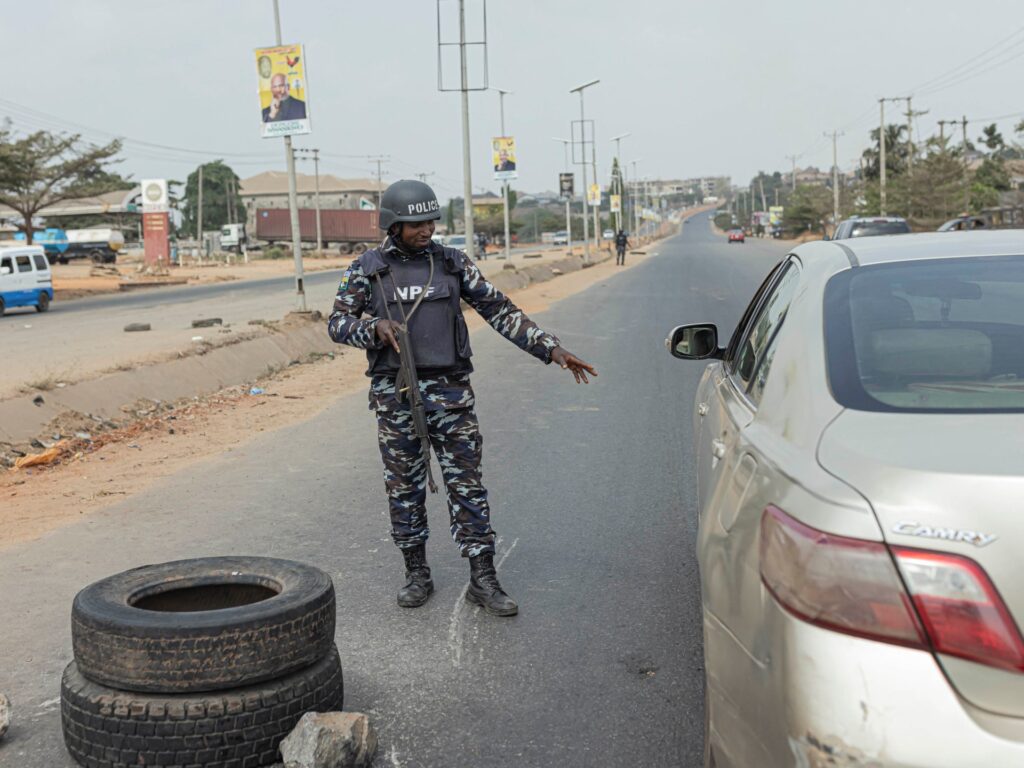
The election also offers a test for the electoral process itself. Nigeria’s democratic evolution faces frequent challenges such as election violence, vote-buying, and logistical hurdles. How well Osun manages these issues could enhance or undermine public confidence in the electoral system ahead of the decisive 2027 election.
Moreover, the outcome might influence regional power dynamics, particularly within the southwestern geopolitical zone. This influence stems from Osun’s role in shaping the Yoruba political bloc’s cohesion and unity, which can play a pivotal role in national presidential politics.
Political commentators argue that Osun’s election may set the tone for electoral engagement strategies, coalition negotiations, and popular mobilization for years to come. Strong voter turnout and peaceful conduct would be encouraging signs for Nigeria’s long-term democratic health.
In conclusion, Osun’s 2022 gubernatorial election is more than a state-level contest; it’s a significant precursor that offers valuable foresight into Nigeria’s 2027 presidential election. As political parties, candidates, and voters watch closely, the results will provide early signals of the evolving political landscape, voter preferences, and party dynamics that will ultimately shape Nigeria’s future leadership path.