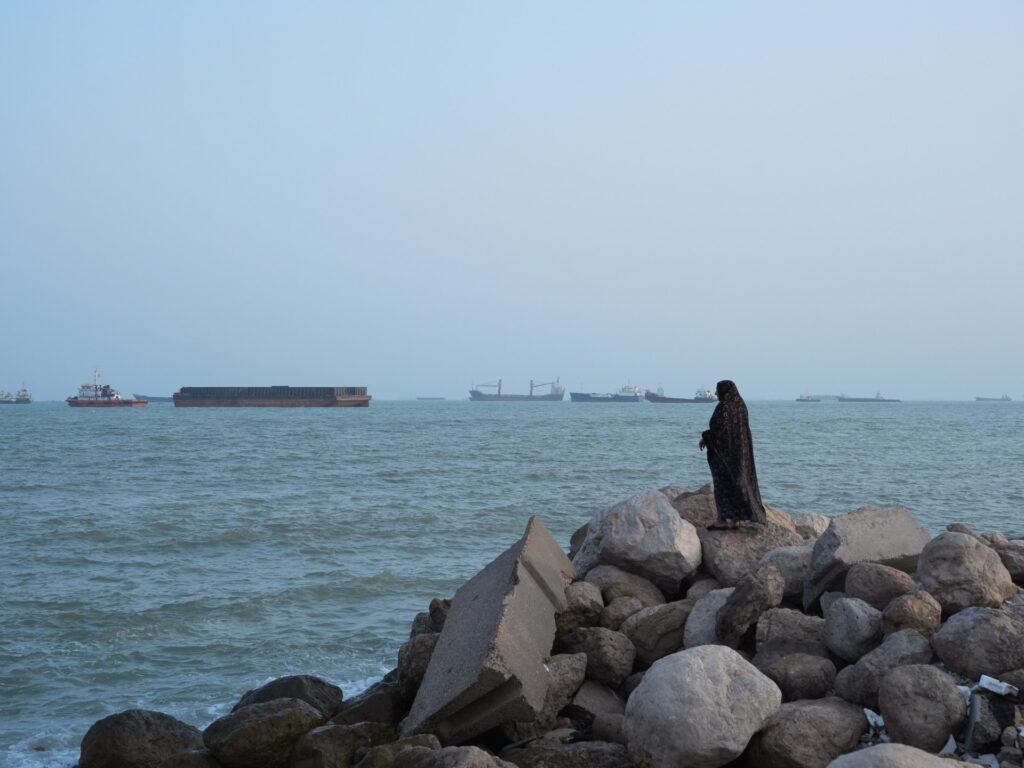
Iran has asserted full control over the Strait of Hormuz, a crucial maritime chokepoint that links the Persian Gulf with the Gulf of Oman and the Arabian Sea. This strategic waterway is vital for global oil shipments, making the control and security of the strait a matter of international significance.
The Iranian government has openly challenged recent claims made by the United States, specifically rejecting assertions from the Trump administration that the US maintains dominance over this critical passage. Iran’s stance underlines its intent to exert sovereignty and control over the strait, emphasizing its capability and readiness to manage navigation and security within the waterway.
The Strait of Hormuz is one of the world’s most strategically important maritime corridors, with approximately a fifth of global oil consumption passing through it. Given this strategic importance, tensions over control and security in the area have been a recurring feature of regional and international geopolitics.
Iran’s control claim comes amid heightened tensions with the US, which has imposed rigorous sanctions against Tehran, targeting its oil exports and financial activities. The Trump administration’s rhetoric has often included threats to close the strait should Iran disrupt shipping, which Iran vehemently denies any intention to do.
Iranian officials have reiterated that the strait falls within their territorial waters and that they possess the right to regulate maritime traffic under international law, specifically the United Nations Convention on the Law of the Sea (UNCLOS). Tehran maintains that it is committed to ensuring safe and free passage for commercial vessels traversing the strait.
The US, on the other hand, has justified its presence in the region by citing the need to ensure freedom of navigation and to counter perceived Iranian threats. American naval forces frequently conduct freedom of navigation operations through the strait to assert international rights and deter aggressive actions.
This dispute is emblematic of broader geopolitical struggles in the Persian Gulf region, where multiple actors vie for influence amid longstanding grievances and unresolved conflicts. The strait, geographically narrow and strategically vital, remains a flashpoint for potential confrontations.
Experts warn that any miscalculation or inadvertent incident in the Strait of Hormuz could disrupt global oil markets and provoke wider conflict. The international community continues to closely monitor developments, urging restraint and dialogue between Iran and the US.
Iran’s declaration of control not only reinforces its strategic posture but also signals its willingness to challenge US influence in the region openly. How this dynamic will evolve remains uncertain, as both sides maintain firm positions amidst ongoing diplomatic strains.
Ultimately, the situation around the Strait of Hormuz underscores the fragility of regional stability and the critical importance of negotiations to prevent escalation that could impact international security and economic stability worldwide.