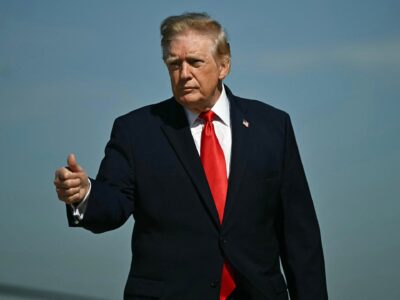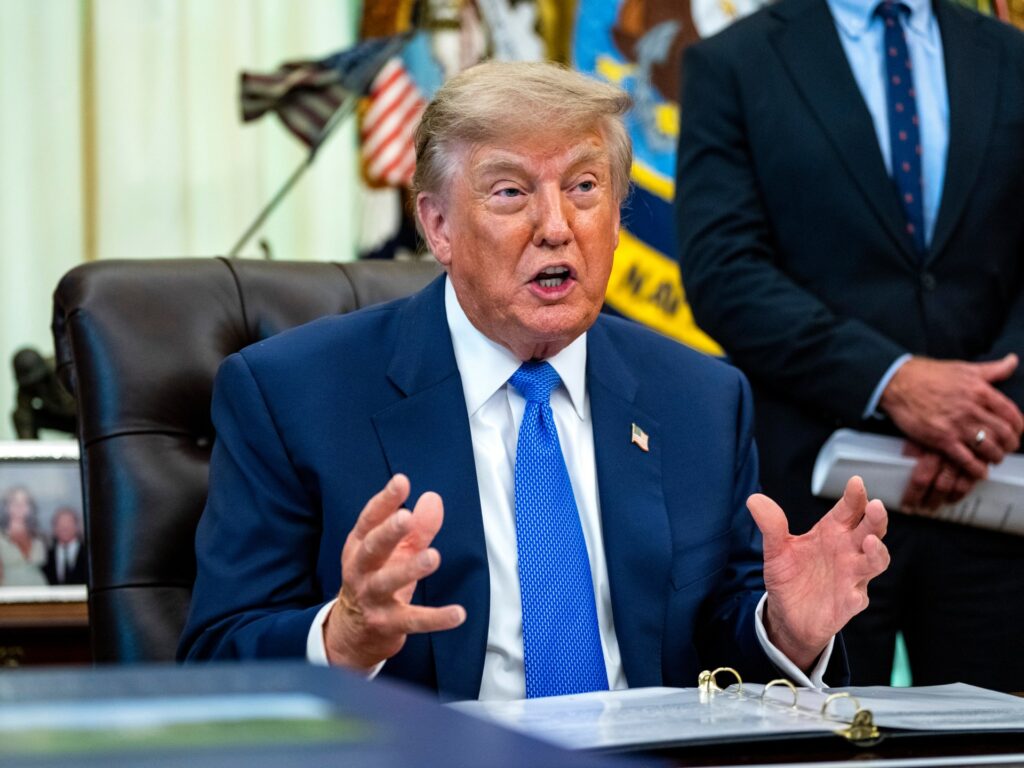
Former President Donald Trump recently commented on the shifting political landscape in the United States, particularly focusing on the reduced influence of pro-Israel lobbying groups in Congress. According to Trump, these groups no longer hold the formidable power they once did several decades ago.
The evolving dynamics in American politics have led to a change in how various lobbying groups operate and affect policymaking. Trump’s remarks highlight a broader trend where the traditional strongholds of influence, including pro-Israel organizations, are witnessing a decline in their ability to sway congressional decisions as decisively as in the past.
Historically, pro-Israel groups have been among the most powerful and effective lobbying forces in Washington. They played a significant role in shaping U.S. foreign policy in the Middle East by securing bipartisan support for Israel. This influence was evident through the substantial funding, political endorsements, and strategic advocacy these groups managed to mobilize.
Trump’s assertion suggests that changes in the political environment—including shifts in party priorities, emerging geopolitical challenges, and the rising voices of other interest groups—have diluted the once predominant influence of pro-Israel lobbyists. Additionally, younger generations of lawmakers and voters have brought new perspectives, potentially altering traditional alliances.
Critics of pro-Israel lobbying argue that its influence sometimes overshadowed other important considerations in U.S. foreign policy, such as human rights and the complexities of Middle Eastern politics. In contrast, proponents emphasize the strategic and historical importance of Israel as an ally.
The diminished sway of these groups in Congress could lead to a more diversified debate on Middle East issues, encouraging lawmakers to consider a wider range of perspectives and interests. This change may open the door for more nuanced policies that balance various geopolitical realities and ethical concerns.
However, despite the claimed decline, pro-Israel groups remain active and influential in different ways, adapting to the new political climate by forming coalitions and leveraging digital advocacy channels. Their future impact may not resemble the past but could still be significant in shaping U.S. policy.
Observers note that Trump’s remarks may also serve political objectives, possibly reflecting his broader critique of establishment politics and lobbying power. As the 2024 elections approach, discussions about the role of special interest groups remain a focal point in American political discourse.
In summary, Trump’s statement about the diminishing power of pro-Israel lobbying groups speaks to the larger trends of change within U.S. political influence dynamics. It underscores a transition period where traditional lobbying strategies face new challenges amid evolving societal values and political priorities. The implications of this shift could be substantial for U.S. foreign policy and the ongoing discourse surrounding the Middle East.