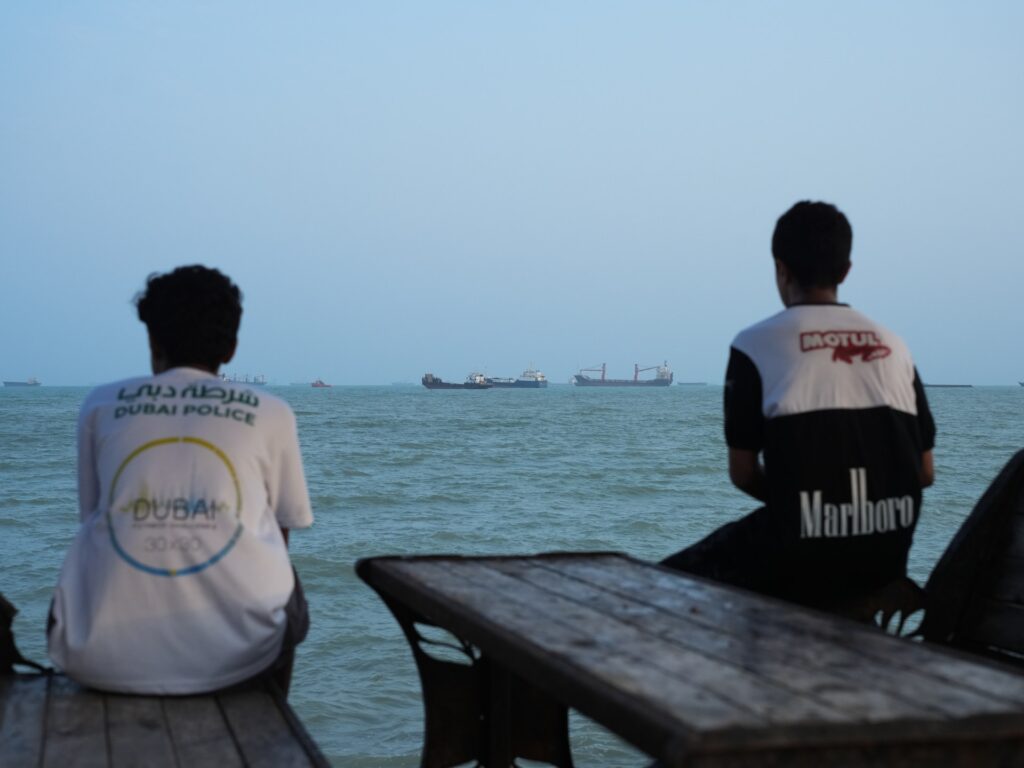
In recent developments, Iran vehemently rejected former President Donald Trump’s assertion that the United States ‘controls’ the Strait of Hormuz, a vital chokepoint for global oil shipments. Iran’s stance emphasizes that the strategic Strait of Hormuz will remain closed to US vessels and interests until Washington meets specific demands and alters its current behavior.
The Strait of Hormuz is a narrow passage connecting the Persian Gulf with the Gulf of Oman and the Arabian Sea, through which an estimated 20% of the world’s petroleum travels daily. This waterway’s control is crucial for global energy security, making the ongoing tension between Iran and the US especially significant for international markets.
Iran’s officials have highlighted that the closure of the Strait is a direct response to what they describe as aggressive American policies and sanctions targeting Iran’s economy and regional influence. The Iranian government insists that any negotiation or de-escalation is contingent upon the US lifting sanctions and adopting a more respectful and cooperative approach toward Tehran.
Former President Trump’s claims regarding US control over the Strait were made amid his administration’s hardline policies towards Iran, including the withdrawal from the Joint Comprehensive Plan of Action (JCPOA) and imposing severe economic sanctions. These policies have heightened regional tensions and increased risks to the safe passage of commercial vessels.
In the backdrop of this political standoff, global energy prices have seen an uptick, reflecting market concerns about potential disruptions in oil exports through the Strait of Hormuz. Traders and analysts warn that any protracted conflict or blockade could exacerbate global energy supply challenges and further inflate prices.
Ongoing diplomatic talks aim to prevent an escalation of hostilities and ensure the uninterrupted flow of oil and goods through the Strait. However, Iran remains firm that dialogue will only progress when the US addresses its core grievances, particularly the sanctions regime.
The international community watches closely as these developments unfold, recognizing the pivotal role of the Strait of Hormuz in global energy trade. Meanwhile, countries dependent on Gulf oil exports are calling for de-escalation to maintain stability in energy markets.
In summary, Iran’s firm rejection of Trump’s control claims and insistence on US behavioral change marks a significant juncture in the dialogue surrounding the Strait of Hormuz. As talks continue amidst rising energy prices, the future of this critical maritime passage remains uncertain but pivotal for global economic stability.