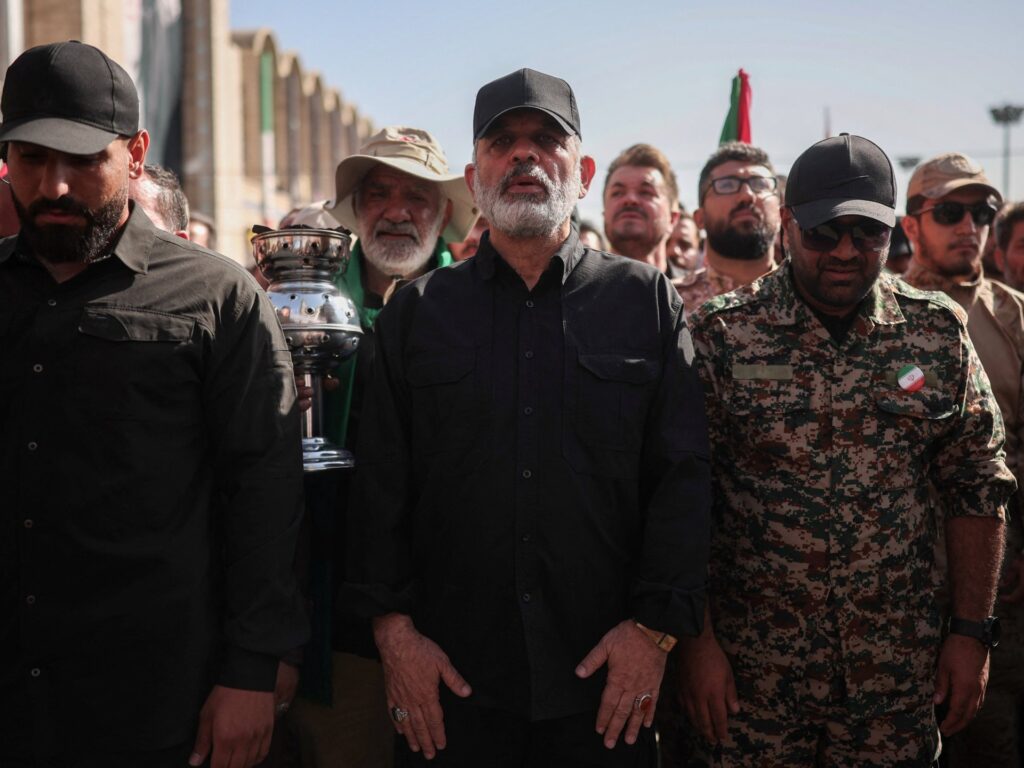
Iran’s recent military appointments have garnered significant attention among international observers and analysts. The latest nominations within the ranks of Iran’s armed forces point towards a deliberate shift in the country’s military leadership dynamics. Rather than embracing innovation or modern military strategy, these appointments appear to reinforce the influence of the hardline old guard, prioritizing political loyalty above all else.
At the core of these changes is a consolidation of power around figures who have long been aligned with Iran’s conservative political factions. By elevating commanders who have demonstrated unwavering loyalty to the regime, Tehran seems to be sending a clear message both domestically and internationally: the military establishment will remain deeply intertwined with ideological adherence rather than purely strategic or technological advancements.
Observers suggest that this approach underscores a preference for maintaining regime stability over adapting to new military challenges. This may come at the expense of innovation, as those brought into leadership roles tend to favor conventional tactics and resist reforms that could disrupt the existing order.
This trend also reflects Iran’s broader socio-political environment, where factional loyalties and revolutionary credentials often outweigh meritocratic principles. The hardline elements entrenched within the military leadership are likely to continue shaping Iran’s defense policies in a manner that emphasizes ideological conformity.
Moreover, the appointments seem to signal an internal response to perceived threats, both from external adversaries and domestic dissent. By ensuring that trusted loyalists run key military units, the regime aims to tighten control over its armed forces and mitigate risks of factional disputes or coups.
The impact on Iran’s military capacity could be twofold. On one hand, the stability derived from loyalist leadership may enable more predictable decision-making processes. On the other hand, the sidelining of potentially innovative or reform-minded officers could limit Iran’s ability to modernize its forces effectively in a rapidly changing security landscape.
Internationally, these developments may influence how Iran is perceived as a regional military actor. Countries observing Tehran’s military trajectory might interpret these appointments as a sign of increasing rigidity, which could affect diplomatic and security calculations.
In conclusion, Iran’s new military appointments highlight a strategic choice to empower the hardline old guard and reinforce loyalty as a central criterion for leadership. While this may secure regime control in the short term, it may also constrain military innovation and adaptation in an era where evolving threats demand flexibility and modernization.