In Ghana, a promising new development is taking place that could transform the livelihoods of cashew farmers and reduce food waste significantly. For years, cashew apples, the juicy, fibrous fruit attached to the cashew nut, have been largely ignored and left to rot on the ground after harvest. However, these cashew apples are now being recognized for their potential as a valuable resource, offering a new source of income for farmers as well as environmental benefits.
Traditionally, the focus in cashew production has been almost exclusively on the nuts, which are exported as a popular snack and ingredient worldwide. The cashew apples, despite being edible and nutritious, were mostly discarded due to their high moisture content and short shelf life, which made them difficult to store and transport.
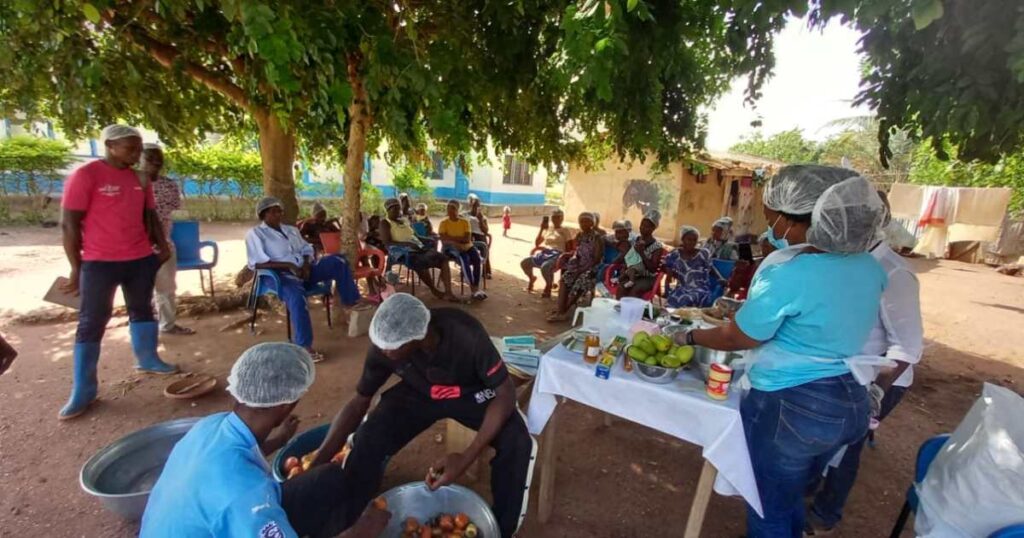
Recently, innovation and research efforts in Ghana have begun to address this issue by finding practical ways to process cashew apples into various products. These include refreshing juices, jams, alcoholic beverages such as cashew apple wine and brandy, and even dried snacks. Each of these products offers an opportunity for farmers to monetize a part of the crop that was previously wasted.
Processing cashew apples locally also has economic and environmental advantages. It creates job opportunities in rural areas where cashew farming is predominant and helps reduce the loss of natural resources. Moreover, the value-added products have the potential to capture new markets both domestically and internationally.
The initiative is gaining support from local governments, development organizations, and agricultural experts who are providing training and infrastructure to help farmers adopt new processing techniques. This includes establishing small-scale processing centers and offering expertise on hygienic handling and packaging to ensure product safety and quality.
Farmers who have embraced cashew apple processing report increased incomes and a more diversified business model that cushions them against the volatility of nut prices. Additionally, consumers appreciate the availability of new, healthy products derived from the cashew apple, which is rich in vitamin C and other nutrients.
In conclusion, the recognition of the cashew apple’s value is contributing to a more sustainable and profitable cashew industry in Ghana. By giving cashew apples a second life, farmers are improving their livelihoods, enhancing food security, and promoting environmental sustainability, turning what was once considered waste into an opportunity for growth and innovation.