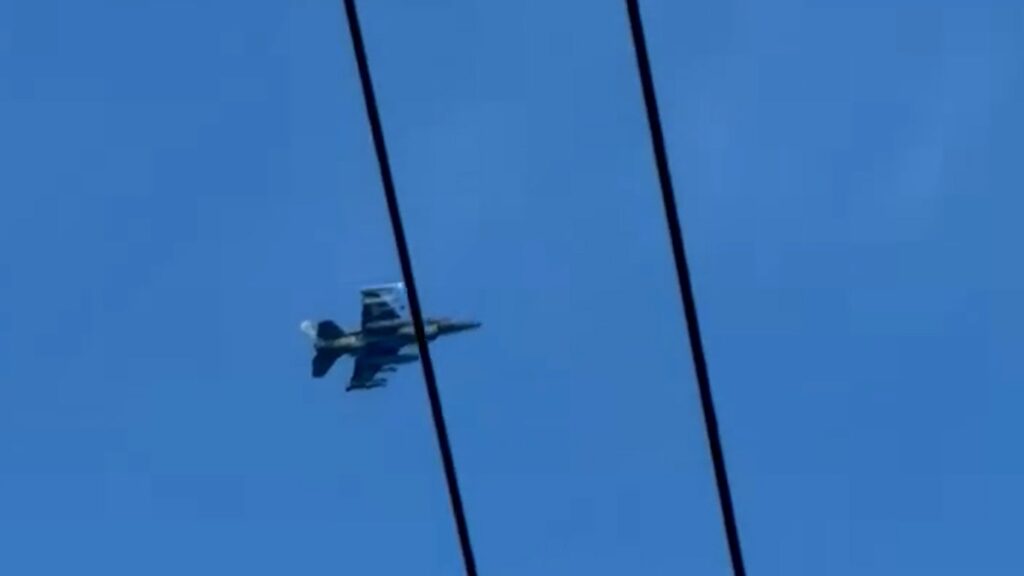
In a recent security incident, F-16 fighter jets were scrambled to intercept two civilian aircraft that entered restricted airspace near Bedminster, New Jersey, where former President Donald Trump was located at his golf club. The incident highlights the stringent airspace restrictions and security measures around locations housing high-profile individuals. The Federal Aviation Administration (FAA) and military authorities closely monitor such sensitive areas to prevent unauthorized aircraft from entering. According to officials, the two civilian planes unknowingly crossed into the restricted zone, prompting a rapid military response to escort them away and ensure the safety of the airspace. The F-16s conducted an aerial intercept, guiding the aircraft outside the no-fly zone without incident. This event underscores the importance of rigorous airspace control protocols near politically sensitive private properties. Security experts note that such interceptions serve as a deterrent and a safeguard against potential threats. The incident caused heightened alert among local authorities and security teams stationed at the golf club. Officials continue to review the procedures and communication channels to prevent similar breaches in the future. Meanwhile, the owners of the aircraft involved have been questioned to determine the reasons behind the incursion. No hostile intent has been reported, and the matter remains under investigation. The incident was swiftly contained, and operations at the golf course resumed as normal shortly thereafter. This event sheds light on the complexities and challenges involved in securing airspace around high-profile targets, balancing civilian aviation freedoms with national security needs. It also reflects ongoing tensions and preparedness measures in managing restricted zones near politically significant sites. Authorities reaffirm their commitment to maintaining strict control and rapid response capabilities to protect persons of interest. The F-16 intercept demonstrates the readiness and effectiveness of U.S. air defense systems in responding to unexpected airspace violations. Further updates will be provided as the investigation continues.