In a bid to connect with India’s younger population, Prime Minister Narendra Modi has embarked on an unconventional campaign to win the hearts of Generation Z. Known for his powerful speeches and political acumen, Modi is now trying to bridge the gap with young voters through late-night Instagram reels and social media outreach.
Generation Z, broadly defined as those born between the mid-1990s and early 2010s, is a vibrant demographic that holds significant sway in Indian elections. With their distinct digital fluency and social awareness, winning their trust requires a modern approach, something Modi seems keenly aware of.
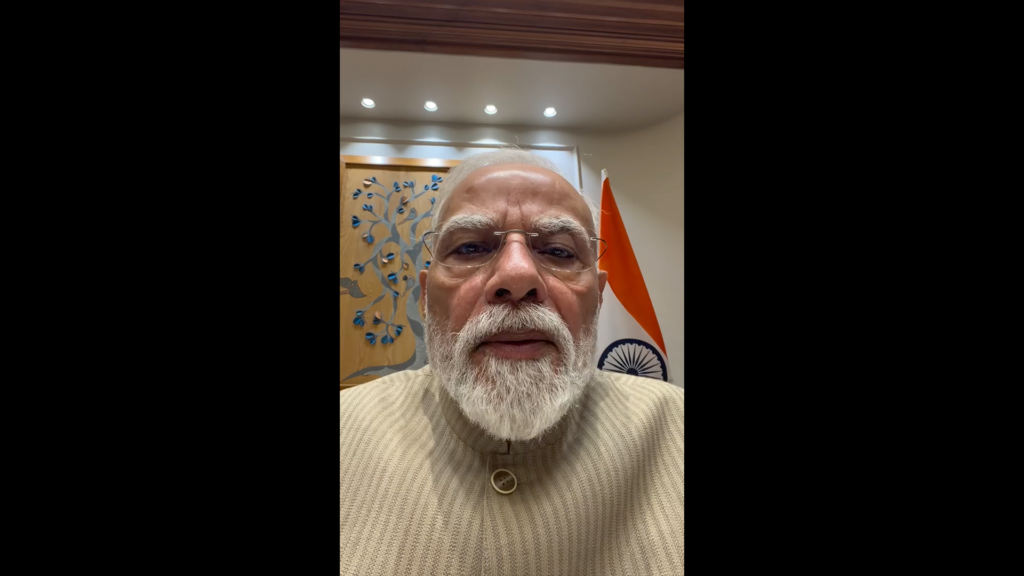
His strategy includes posting personal and relatable Instagram reels during late-night hours when Gen Z users are most active online. These reels range from light-hearted moments to snippets of his daily routine, intended to showcase a more personal side of the Prime Minister. The phrase “Hi friends,” often used in these videos, aims to create a friendly, approachable image rather than the distant persona traditionally associated with political leaders.
Social media experts note that Modi’s approach is unusual for a politician of his stature in India, as the use of informal platforms like Instagram reels to reach a youthful audience marks a significant shift from conventional campaign methods. By adopting the language and media habits of young Indians, Modi is attempting to present himself not just as a leader but as a peer and companion.
This digital outreach also seeks to address key issues of concern for Gen Z, such as employment opportunities, climate change, and education reforms. Modi’s reels often highlight government initiatives targeting these areas, aiming to demonstrate tangible impacts on the lives of young citizens.
However, this campaign is not without its critics. Some analysts argue that the social media content is curated to project a carefully managed image rather than genuine engagement. There are concerns about the depth of the Prime Minister’s understanding of the nuanced challenges faced by Gen Z today.
Despite the debates, early indicators suggest that this strategy has sparked conversations across social media platforms, drawing attention to Modi’s efforts to stay relevant with a younger generation that is both politically disengaged and vocally opinionated.
The success of this campaign may well redefine political communication in India, setting a precedent for future leaders to meet the evolving expectations of digital-native voters. As Modi continues his ‘Hi friends’ campaign, all eyes will be on whether this social media experiment translates into actual electoral support or remains a digital flirtation with youth culture.